2025 Guide: How to Properly Install an Exterior Door Seal for Energy Efficiency
Installing an exterior door seal is a crucial step in enhancing the energy efficiency of your home. With rising energy costs and heightened awareness of environmental sustainability, homeowners are increasingly seeking effective solutions to prevent heat loss and improve insulation. A properly installed exterior door seal not only blocks drafts and moisture but also contributes significantly to maintaining a comfortable indoor climate throughout the seasons.
In this guide, we will delve into the essential steps and techniques necessary to install an exterior door seal correctly. Whether you are a seasoned DIY enthusiast or tackling this project for the first time, understanding the importance of a well-sealed door can lead to significant energy savings and increased comfort. From selecting the right materials to ensuring a proper fit, this comprehensive approach will equip you with the knowledge to enhance your home’s efficiency and resilience against the elements. Let’s get started on making your home more energy-efficient with a reliable exterior door seal.
Understanding the Importance of an Exterior Door Seal for Energy Efficiency
An exterior door seal is a vital component for maintaining energy efficiency in your home. These seals act as barriers against air leaks, preventing drafts that can lead to higher heating and cooling costs. When properly installed, an exterior door seal not only enhances your home’s comfort but also contributes to a more sustainable environment by reducing energy consumption.
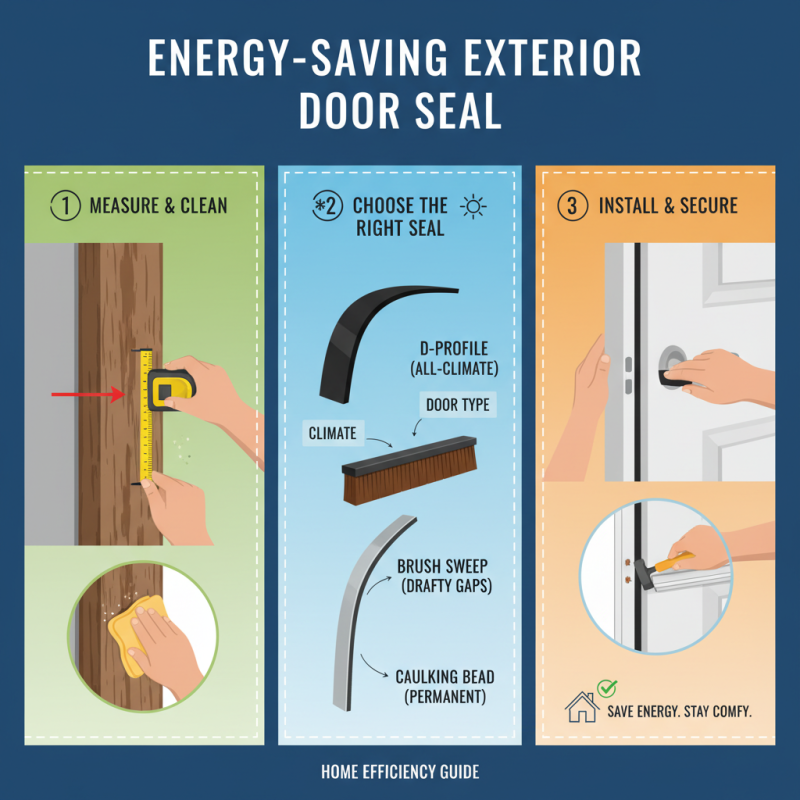
To ensure optimal performance, it’s essential to choose the right type of seal. Weatherstripping materials vary in durability and effectiveness. Consider options like foam tape, V-seal, or door sweeps, each designed to meet specific needs based on your climate and door type. When installing the seal, attention to detail is crucial. Ensure the seal is tight against the door without being overly compressed, as this could hinder its function and durability.
Tips for a successful installation include measuring your door carefully to select the appropriate seal size, cleaning the door frame thoroughly to ensure adhesion, and conducting a test after installation by checking for any remaining drafts. Regular maintenance is also important; inspect your door seal periodically and replace it if you notice wear or damage. By taking these steps, you’ll create an energy-efficient barrier that protects your home from outside elements.
2025 Guide: How to Properly Install an Exterior Door Seal for Energy Efficiency
| Dimension |
Details |
Importance |
| Seal Material |
Weatherstripping, Foam, Rubber, Vinyl |
Provides insulation and prevents air leaks |
| Installation Tools |
Utility Knife, Measuring Tape, Screwdriver, Level |
Ensures correct installation for optimal performance |
| Seal Placement |
Top, Sides, Bottom of the Door Frame |
Maximizes energy efficiency and draught reduction |
| Energy Savings |
Up to 20% on heating and cooling costs |
Lower energy bills and increased comfort |
| Maintenance |
Regular inspection and replacement every 5-10 years |
Ensures long-lasting energy efficiency |
Selecting the Right Materials for Your Door Seal Installation
When it comes to properly installing an exterior door seal for optimal energy efficiency, selecting the right materials is crucial. Different materials serve varying purposes, and understanding these distinctions can significantly enhance the effectiveness of your installation. Common materials used for door seals include weatherstripping, foam tape, and door sweeps. Weatherstripping, often made of rubber or vinyl, provides a durable barrier against drafts. Meanwhile, foam tape, with its easy application and flexibility, conforms well to uneven surfaces, creating a tight seal. Door sweeps, attached to the bottom of the door, prevent air leakage and provide additional insulation.
Consider the climate of your region when choosing materials for door seal installation. For harsher climates, investing in thicker, more resilient materials can offer enhanced protection against the elements. In areas with milder weather, lighter materials may suffice but it's essential to ensure they still provide a reliable seal. Additionally, consider the aesthetic aspects of the materials you choose, as they should complement the overall appearance of your home while serving their functional purpose effectively. Taking the time to select the right components will not only improve energy efficiency but also prolong the lifespan of your door and its seal.
2025 Guide: Energy Efficiency of Exterior Door Seals
This chart illustrates the energy efficiency ratings of different types of exterior door seals, measured on a scale of 0 to 10. Foam seals offer the highest energy efficiency, making them a popular choice for homeowners looking to improve insulation.
Step-by-Step Guide to Preparing the Door Frame for Sealing
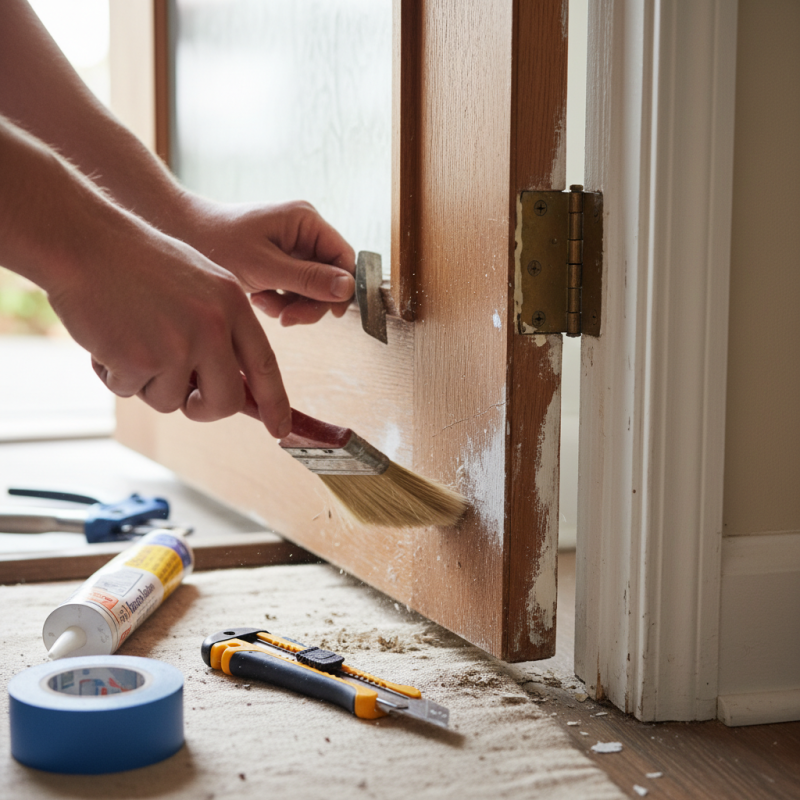
Preparing the door frame for sealing is an essential step to ensure energy efficiency in your home. Begin by thoroughly cleaning the door frame to remove any dust, dirt, or old paint. This will help the sealant adhere properly and create a tight, effective barrier against drafts. Inspect the frame for any damages, such as cracks or gaps, that may need repairs before applying the seal. Use caulk or a suitable filler to address these issues; allowing for a smooth surface is crucial for a proper seal.
Tip: While cleaning, pay close attention to the corners of the door frame as they often collect debris that can interfere with the sealing process. A clean and well-prepared surface is key to achieving a long-lasting seal.
Next, measure the door frame to ensure you choose the right size and type of seal. It’s important to select seals that are compatible with your door specifications, whether it's a single or double-hung door. Once you have your materials ready, consider using a door sweep or weather stripping along the bottom and sides of the frame. This will enhance insulation and help prevent air leaks, ultimately contributing to a more energy-efficient home.
Tip: For the best results, install seals in the early morning or late afternoon when temperatures are cooler. This will prevent the sealant from drying too quickly and ensure a proper fit as the material adjusts to temperature changes.
Techniques for Properly Installing the Exterior Door Seal
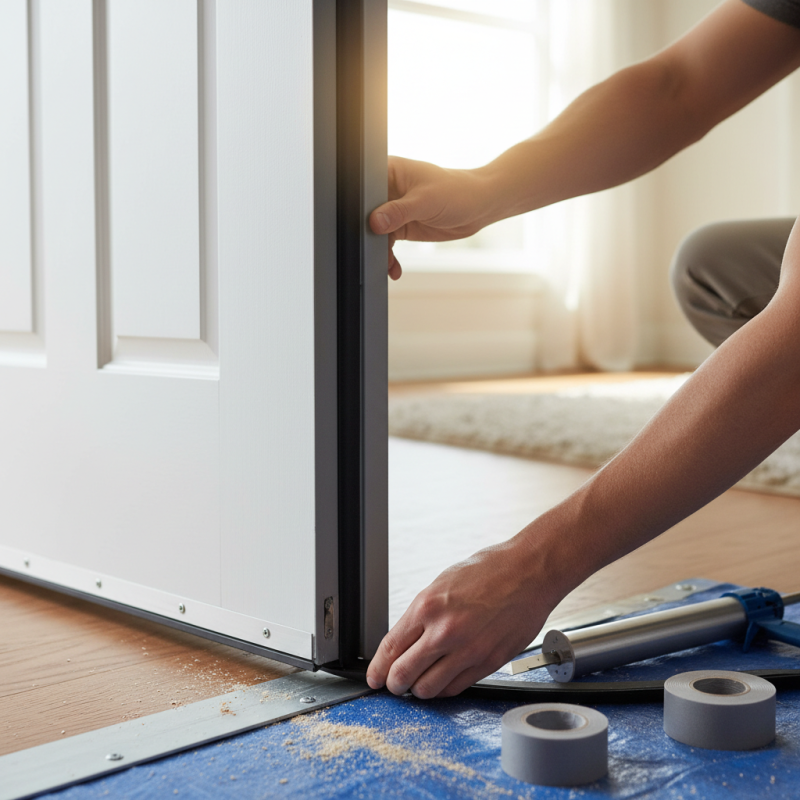
Installing an exterior door seal is a crucial step in enhancing your home's energy efficiency. To achieve a proper fit, first measure the door frame meticulously. Begin by cleaning the area where the seal will be applied to ensure that dirt and debris do not compromise the adhesion of the seal. When selecting a seal, opt for one that fits your door's specifications and climate conditions to enhance insulation effectively.
Once you've gathered your materials, proceed with the installation. For adhesive seals, peel off the backing and carefully press the seal into place along the door frame, making sure it adheres firmly. If you're using a more complex system, such as a bulb or compression seal, ensure that the door closes smoothly without excessive pressure that could cause wear over time. It's also advisable to check for any gaps after installation to determine if adjustments are necessary, as even small openings can significantly reduce energy efficiency. Regular maintenance, including inspecting and replacing worn seals, will contribute to long-term savings on energy bills.
Testing and Maintaining Your Exterior Door Seal for Longevity
Maintaining the integrity of your exterior door seal is crucial for ensuring energy efficiency in your home. To prolong the lifespan of your door seal, regular inspections are essential. Check for any signs of wear, such as cracks or gaps, which can compromise the seal's effectiveness. A thorough inspection at least twice a year will help you catch any potential issues early, allowing for timely repairs before they escalate.
Tips: When inspecting your door seal, take a moment to clean the area around it as dirt and debris can contribute to deterioration. Use a soft cloth and mild detergent to remove any buildup that might affect the seal's performance. Additionally, consider applying a silicone lubricant to the rubber or vinyl seals to keep them flexible and resistant to cracking.
Testing the door seal is equally important. You can perform a simple test by closing the door and shining a flashlight from the outside. If you see light coming through, there’s a gap that needs addressing. Alternatively, on a windy day, feel for drafts around the door frame to identify any weak spots in the seal. Make adjustments or replacements as necessary to maintain an efficient barrier against the elements.