
Contact Us

Filter Close

NEWS at Quanex

See the latest news, posts and events from Quanex about our business, the industry, our people and more.

What Are the 2026 Best Smoke Shop Shelves?

Choosing the best smoke shop shelves in 2026 requires more than attractive displays and polished photographs. Retailers need fixtures that organize legal, age-appropriate products while supporting safety, accessibility, and efficient daily service. The strongest shelves combine durable materials, adjustable spacing, secure construction, and clear product visibility. They should also suit the store’s actual footprint, not an imagined showroom. That distinction matters.

This guide evaluates smoke shop shelves through practical retail experience, product knowledge, and responsible merchandising standards. It considers powder-coated steel, tempered glass, laminated wood, lighting, storage capacity, and cleaning requirements. Good shelving should withstand frequent handling without looking tired. Adjustable levels help stores accommodate changing package sizes. Clear labels help customers. Staff should reach popular items without blocking walkways or creating clutter. We also examine how shelf height, color, and lighting influence browsing without encouraging unsafe or misleading presentation. A shelf can look impressive and still perform poorly. Real stores reveal that quickly.

Some shops may prioritize locked display sections, while others need open shelving for legal accessories and general merchandise. That is reasonable. A beautiful fixture is not automatically the best investment. Our evaluation favors dependable construction, transparent organization, and long-term value over fashionable details alone. Readers will find practical questions for comparing suppliers, measuring floor space, and planning future changes. The goal is a balanced view of what works in 2026. Not perfection. Better decisions.
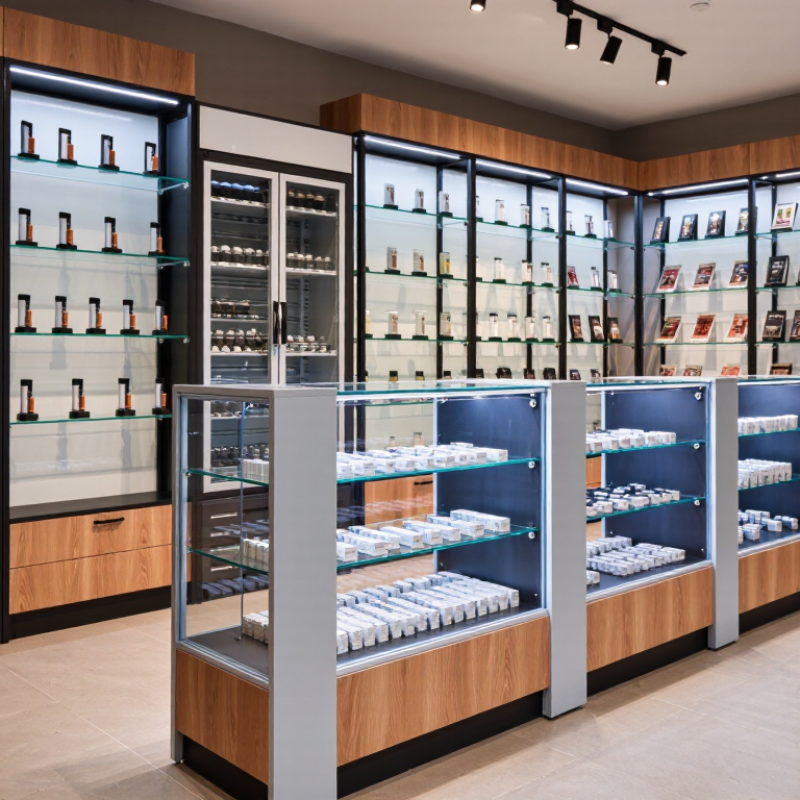
What Are the 2026 Best Smoke Shop Shelves?

What Defines the Best Smoke Shop Shelves in 2026?

What Defines the Best Smoke Shop Shelves in 2026?

The best smoke shop shelves combine visibility, safety, flexibility, and disciplined space planning. According to the NACS 2024 State of the Industry report, U.S. convenience retail sales reached $906.1 billion in 2023. That figure shows how strongly product presentation influences high-volume retail environments. Every shelf must earn its space.

Grand View Research projects steady growth in the global retail shelving market through 2030. Modular shelving supports that trend because stores can adjust layouts without replacing entire fixtures. Adjustable tiers, tempered glass, rounded edges, and lockable storage improve daily operations. They also reduce cleaning time and accidental damage.

Accessibility should shape the design, not follow it. The U.S. Access Board recommends clear floor paths of at least 36 inches and reachable storage within practical height ranges. A customer should see key products without stretching or blocking another shopper. Small details matter: stable bases, bright but controlled lighting, and labels that remain readable from several feet away.

I would not call one layout perfect. A dense display may increase visibility but create visual fatigue. A minimal layout can feel premium yet waste valuable space. Store owners should test shelf height, product spacing, and customer movement for several weeks. Then adjust the design using sales records and staff observations, not assumptions.

Key Features to Evaluate in Smoke Shop Shelving

The best smoke shop shelves in 2026 should support clear organization, safe access, and daily staff efficiency. Strong materials matter because shelves face constant handling. Choose powder-coated steel, tempered glass, or durable laminate with sealed edges. Avoid sharp corners and unstable frames.

Check each shelf’s weight rating before installation. Heavy display items need reinforced supports and evenly spaced brackets. Adjustable shelves help staff change layouts when product sizes shift. A practical height is also important. Customers should see key items without stretching, while staff can restock without ladders. Small details matter.

Lighting should be bright enough for accurate color and label reading, but not harsh. Concealed wiring creates a cleaner appearance and reduces snagging risks. Lockable sections can protect higher-value lawful merchandise during busy hours. Clear sightlines help staff monitor the sales floor. I have seen attractive shelving fail because its corners were difficult to clean. Dust collects there quickly. Rounded edges and removable trays make maintenance easier.

Measure the wall, aisle, counter, and door clearance before ordering. Leave room for movement and accessibility. Modular units offer flexibility, though they may cost more initially. One weakness is that adjustable systems can look uneven after frequent changes. Regular checks are necessary. Review shelf stability, lighting, fasteners, and surface damage every month. A beautiful display still needs practical testing.

What Are the 2026 Best Smoke Shop Shelves? - Key Features to Evaluate in Smoke Shop Shelving

Evaluation Dimension Recommended 2026 Standard Why It Matters in a Smoke Shop Practical Inspection Method
Load Capacity At least 40–75 lb per adjustable shelf, depending on shelf width and depth Prevents sagging or failure when displaying glassware, boxed products, accessories, and packaged inventory. Check the manufacturer’s evenly distributed load rating and confirm that it matches the intended merchandise.
Shelf Adjustability Shelf spacing increments of approximately 1–1.5 inches with tool-free or low-tool adjustment Allows the layout to accommodate products with different package heights and seasonal displays. Move several shelves and verify that brackets lock securely without excessive looseness.
Material and Frame Strength Powder-coated steel for high-use areas; reinforced wood or laminate panels for coordinated interiors A rigid frame improves stability, service life, and resistance to dents, chips, and everyday impact. Inspect welds, joints, uprights, panel edges, and the finish for visible flexing or damage.
Shelf Depth Common retail depth: approximately 10–16 inches, selected according to product size and aisle width Balances product visibility and storage capacity while helping maintain comfortable customer circulation. Measure the usable depth, then compare it with the largest products and the planned aisle clearance.
Unit Height and Reach Use lower and mid-height fixtures for open shopping; reserve taller units for supervised or wall displays Appropriate height improves visibility, replenishment efficiency, and staff oversight. Check whether staff can safely reach the top shelf and whether products remain visible from the aisle.
Stability and Anchoring Leveling feet, a wide stable base, and wall or floor anchoring where required Reduces tipping risk, especially in narrow aisles, high-traffic areas, or earthquake-prone locations. Apply light lateral pressure, check for rocking, and follow local building and safety requirements for anchoring.
Security Features Lockable glass doors, secured hooks, anti-sweep lips, or controlled-access compartments where appropriate Supports loss prevention for small, valuable, regulated, or age-restricted merchandise. Test locks, hinges, door alignment, hook retention, and staff access during normal operating conditions.
Visibility and Lighting Clear sightlines, minimal visual obstruction, and optional low-heat LED shelf lighting Improves product recognition and presentation without creating excessive heat or glare. View the display from several aisle angles and check lighting for shadows, glare, and accessible wiring.
Cleaning and Surface Resistance Smooth, nonporous, wipe-clean surfaces with corrosion-resistant finishes Frequent cleaning is easier, and the fixture is less likely to retain dust, residue, or odors. Wipe a sample surface with an approved cleaner and inspect seams, corners, and exposed hardware.
Modularity and Expansion Compatible add-on bays, pegboard or slatwall accessories, and interchangeable shelves Makes it easier to update merchandising zones without replacing the entire fixture system. Confirm that extensions, brackets, hooks, dividers, and replacement parts are available.
Assembly and Relocation Clearly labeled components, accessible fasteners, and optional casters only when safely rated Simplifies store resets, reduces installation downtime, and supports future layout changes. Review assembly instructions and confirm that moving the unit does not compromise stability or anchoring.
Accessibility and Aisle Planning Maintain locally required accessible routes; in the United States, many retail routes use a 36-inch minimum clear width as a common ADA reference Good spacing supports safer movement and helps meet applicable accessibility requirements. Measure the clear route after stocking shelves and verify local codes with a qualified professional.
Total Cost of Ownership Evaluate purchase price, installation, accessories, maintenance, replacement parts, and expected service life The lowest initial price may cost more if the shelving requires frequent repairs or early replacement. Compare a three- to five-year cost estimate across the shortlisted shelving configurations.

Note: Load ratings, dimensions, accessibility rules, anchoring requirements, and age-restricted display practices should be verified against the shelving documentation and applicable local regulations before installation.

Top Shelf Materials, Designs, and Storage Configurations

What Are the 2026 Best Smoke Shop Shelves?

The strongest 2026 shelf systems combine durable materials, clear sightlines, and flexible storage. Powder-coated steel handles daily cleaning and frequent product movement. Tempered glass adds visibility but needs careful edge protection. High-pressure laminate offers warmth, although scratches can show over time.

Grand View Research identifies modular retail shelving as a growing market, driven by flexible store layouts and efficient space use. That finding matters for specialty retailers with changing product ranges. A 2024 report from the National Retail Federation also highlights convenience and organized shopping as major retail priorities. Adjustable shelves support both goals. Use 30–36-inch viewing zones for common products, with locked lower cabinets for reserve stock. Keep heavier cartons near floor level. Never overload floating shelves.

Tips: Choose rounded shelf corners, anti-tip brackets, and moisture-resistant finishes. Leave a small gap behind products for cleaning and air movement. Test one display bay for two weeks before ordering a complete system.

Experience suggests that perfect symmetry is not always practical. A fully packed wall can look secure, yet it may feel difficult to shop. I prefer open spacing, small risers, and labeled backstock drawers. The U.S. Environmental Protection Agency’s sustainable materials guidance supports longer product life and repairable fixtures. Still, recycled content alone does not guarantee durability. Ask for material specifications, load ratings, replacement parts, and cleaning instructions before purchase.

How to Match Shelves With Products and Store Layouts

The best smoke shop shelves in 2026 should match both the merchandise and the customer’s movement. Small sealed accessories need shallow shelves, clear labels, and eye-level placement. Larger display pieces require deeper, reinforced shelving with enough space for safe handling. Keep frequently requested items near the service counter, but avoid creating crowded queues. Legal, age-controlled merchandise should remain visible without blocking staff supervision.

I have found that adjustable shelving works better than fixed layouts. Product sizes change, and seasonal displays often need extra room. Slotted metal uprights, tempered glass, and wipeable laminate are practical choices for daily retail use. Glass shelves can improve visibility, but they show fingerprints quickly. That detail matters. Rounded edges and stable wall anchors also reduce avoidable accidents. Always check load ratings and local building requirements before installation.

Store layout should guide customers naturally. Use taller shelves along the walls and lower units near the center. This preserves sightlines and makes the room feel less cramped. Leave a clear path for mobility devices and emergency access. Color-coded sections can reduce questions, although too many colors may look confusing. I once placed premium items too high, and customers ignored them. The display looked attractive, but it performed poorly. Measure traffic patterns for several weeks, then adjust shelf height, spacing, and lighting based on observed behavior.

What Are the 2026 Best Smoke Shop Shelves?

Recommended shelf clearance by product type helps match fixtures with product size, visibility, and store layout.

Planning reference based on typical retail package and display dimensions. Use lower shelves for heavier items, eye-level shelves for high-visibility products, and taller bays for glassware and hookahs.

Safety, Durability, Compliance, and Long-Term Value

The best smoke shop shelves in 2026 should protect people, products, and operating budgets. A practical audit often reveals the same weakness: attractive fixtures with unclear load ratings. Choose powder-coated steel, reinforced uprights, rounded edges, and adjustable shelves. Each shelf should display its maximum safe load. Anchor tall units to the wall, especially near customer walkways. OSHA requires stored materials to remain stable and aisles to stay clear under 29 CFR 1910.176.

Compliance also affects shelf placement. The 2010 ADA Standards specify a 15-to-48-inch forward reach range for accessible features. Use this range as a planning reference, then confirm local requirements. Keep exits, fire equipment, and electrical panels unobstructed. Glass doors can reduce handling risks, but they need safety glazing and dependable hinges. Small details matter. Bad lighting still creates hazards.

Durability should be measured beyond the purchase price. The National Retail Federation’s 2023 National Retail Security Survey reported average retail shrink of 1.6% of sales in 2022. Lockable displays, controlled access, and clear sightlines may reduce avoidable losses, although fixtures cannot solve every security problem. Choose replaceable shelf panels and common hardware. That lowers future repair costs. I would not trust a shelf merely because it feels heavy. Ask for test methods, load data, corrosion resistance, and installation instructions. A missing document is a warning. The better choice may cost more initially, yet a five-year maintenance record should decide the value.

Scroll to Top