2026 Top Sliding Glass Windows Trends for Global Buyers?
As we look towards 2026, the trend of Sliding Glass Windows continues to capture global attention. These architectural features are not just about aesthetics; they play a crucial role in modern design and energy efficiency. Buyers around the world increasingly value the blend of elegance and practicality that these windows offer.
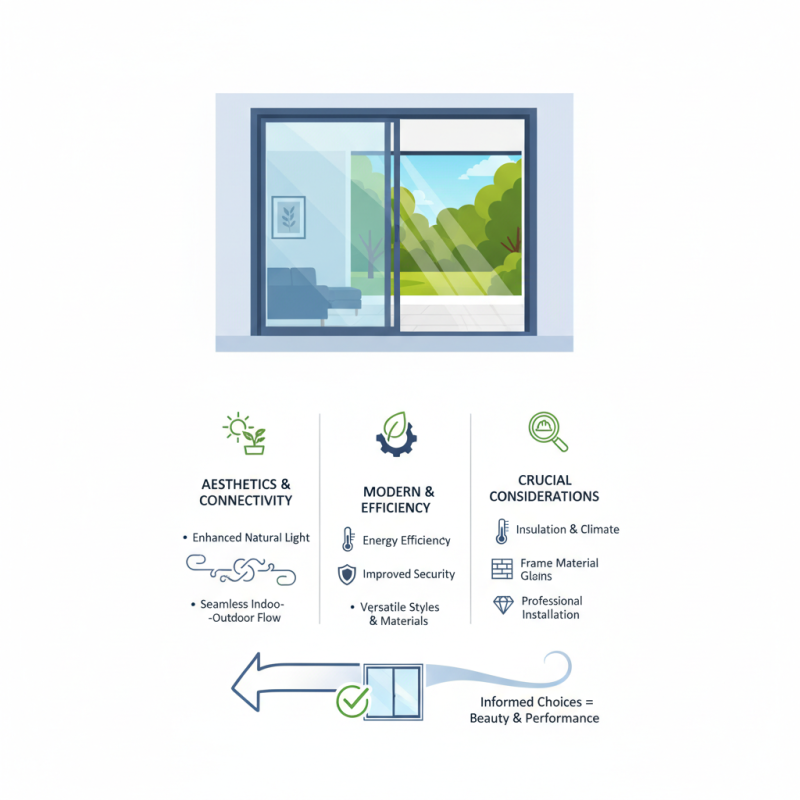
Sliding Glass Windows present unique benefits. They enhance natural light, providing a seamless connection between indoor and outdoor spaces. The versatility of styles and materials means homeowners can find the perfect fit for their needs. However, it’s important to consider factors like insulation and security. A poorly fitted window can lead to energy loss and security concerns.
Understanding the latest trends in Sliding Glass Windows is essential. New technologies emerge every year that improve function and design. However, some buyers may overlook the importance of professional installation. Investing in quality windows and proper installation can prevent future issues. Key considerations should include frame material, glass quality, and local climate conditions. Making informed choices will lead to satisfying results, combining beauty and efficiency.
Emerging Materials for Sliding Glass Windows in 2026
As we move toward 2026, the trends for sliding glass windows are shifting. Emerging materials will play a significant role in these windows. Many buyers seek more energy-efficient solutions. New materials promise enhanced thermal performance. For instance, advanced composites could replace traditional aluminum frames. These composites can offer better insulation. They are also lighter and easier to handle.
Another intriguing option is the use of laminated glass. This type of glass combines two or more layers. It improves durability and enhances safety. It can resist breakage and deter intrusions. Buyers appreciate the added security this glass provides. Additionally, it minimizes noise pollution. City dwellers may find this especially beneficial.
Despite these advancements, challenges remain. Cost is often a concern for many homeowners. Not all new materials are budget-friendly. Also, the long-term performance of these materials warrants attention. Will they withstand harsh weather conditions? Ongoing research and customer feedback will be key in identifying the best solutions for sliding glass windows in 2026. A careful evaluation of available options is essential for informed decisions.
Innovative Design Features Shaping the Market
The sliding glass window market is evolving rapidly, driven by innovative design features. Reports indicate that by 2026, energy-efficient models will dominate, catering to environmentally conscious consumers. This aligns with data from the International Energy Agency, which anticipates increased demand for energy-saving products in the residential sector.
Another trend is the adoption of smart technology. Many manufacturers are integrating sensors for climate control and security features. A recent study found that homes equipped with smart windows can reduce energy costs by up to 30%. While these advancements offer benefits, it is essential to evaluate their practicality. High-tech features can complicate maintenance and repair.
Design aesthetics are also pivotal. Minimalist styles are trending, emphasizing clean lines and large panes. However, as consumer preferences shift, some may find the starkness uninviting. In addition, there might be concerns about privacy with expansive glass surfaces. Balancing design and functionality remains a challenge for manufacturers.
Sustainability Trends in Glass Window Production
In recent years, sustainability has become a key focus in glass window production. Manufacturers are now looking at eco-friendly materials. The shift towards recycled glass is notable. This reduces waste and conserves resources. Using renewable energy in production processes also helps minimize carbon footprints.
Another significant trend is the development of energy-efficient windows. These windows can help maintain indoor temperatures. They reduce the need for heating and cooling, leading to lower energy costs. Additionally, many companies prioritize sustainable sourcing of raw materials. This not only supports the environment but also builds consumer trust.
However, the industry faces challenges. Sourcing sustainable materials can be complex. There’s still a reliance on traditional manufacturing methods. Finding a balance between quality and sustainability is not always easy. Some companies struggle to meet these evolving standards. Nonetheless, the journey toward sustainable glass window production is crucial for a greener future.
Technological Advancements Enhancing Window Functionality
Sliding glass windows have undergone significant technological advancements, enhancing their functionality and appeal for global buyers. Improved insulation technology is now commonplace, reducing energy costs significantly. Many designs feature double or triple glazing to provide better thermal performance. These advancements ensure homes remain comfortable year-round, despite external temperature fluctuations.
Smart features are increasingly integrated into window designs. Automated opening and closing mechanisms provide convenience while enhancing safety. Sensors can detect weather conditions, allowing windows to close during rain or strong winds, which adds a layer of protection. However, reliance on technology may lead to unexpected failures. Users often need to consider backup systems for emergencies.
Sustainability is another critical aspect of current trends. Many manufacturers focus on eco-friendly materials and processes, responding to consumer demand. This shift shows commitment to reducing environmental impact. However, finding the right balance between functionality and sustainability remains a challenge. Buyers often feel overwhelmed by options and need guidance to make informed choices.
Consumer Preferences Influencing Sliding Glass Window Trends
The sliding glass window market is evolving due to consumer preferences. A recent industry report shows that 65% of buyers now prioritize energy efficiency. This demand is driven by rising energy costs and a growing awareness of environmental sustainability. Consumers want windows that help reduce their energy bills. Integrating technologies like low-E glass has become more popular for its insulation properties.
Another trend is customization. Buyers are increasingly looking for personalized designs to match their home style. About 58% of consumers indicate that aesthetic appeal influences their choice of windows. Features like tinted glass and different frame materials cater to varying tastes. Trends indicate that functionality remains important, too. Many buyers seek windows that are easy to operate and maintain.
**Tips:** When choosing sliding glass windows, consider energy ratings. Look for windows with a high performance label. This can significantly impact your comfort and cost savings. Also, analyze local climate conditions. Your region may benefit from specific glass types that better withstand extreme weather. These factors can make a considerable difference in user experience.
2026 Top Sliding Glass Windows Trends for Global Buyers