


NEWS at Quanex
See the latest news, posts and events from Quanex about our business, the industry, our people and more.
2026 Top Bun Feet Sofa Legs Types for Global Buyers
Bun Feet Sofa Legs are becoming a practical design choice for international furniture buyers in 2026. Their rounded profile softens large sofas, while their compact footprint supports modern, classic, and transitional interiors. Grand View Research valued the global furniture market at approximately USD 516.66 billion in 2023 and forecasts continued growth through 2030. This expansion increases demand for components that combine appearance, strength, and dependable supply.
The right bun foot is not selected by shape alone. Buyers should compare wood species, rubberwood or beech moisture levels, metal inserts, mounting plates, thread sizes, and finished height. A 100-millimeter walnut-stained foot can create a warmer visual base, while a shorter natural beech foot may suit modular seating. The details matter. The wrong thread can delay assembly. The wrong coating can disappoint.
Industry reports also show why responsible sourcing deserves attention. The Ellen MacArthur Foundation has repeatedly identified durability and repairability as important principles in a circular furniture economy. Buyers should therefore request load-test evidence, finish specifications, packaging details, and traceable material information. ISO 9001-based quality procedures can strengthen supplier evaluation, although certification alone does not guarantee every batch will perform perfectly. That point is easy to overlook. Experienced importers still inspect samples before approving bulk production. Supplier claims need verification through drawings, physical testing, and clear tolerances. This guide examines leading Bun Feet Sofa Legs types for global buyers, while recognizing that style preferences, shipping conditions, and sofa construction vary across markets. No single leg fits every project.
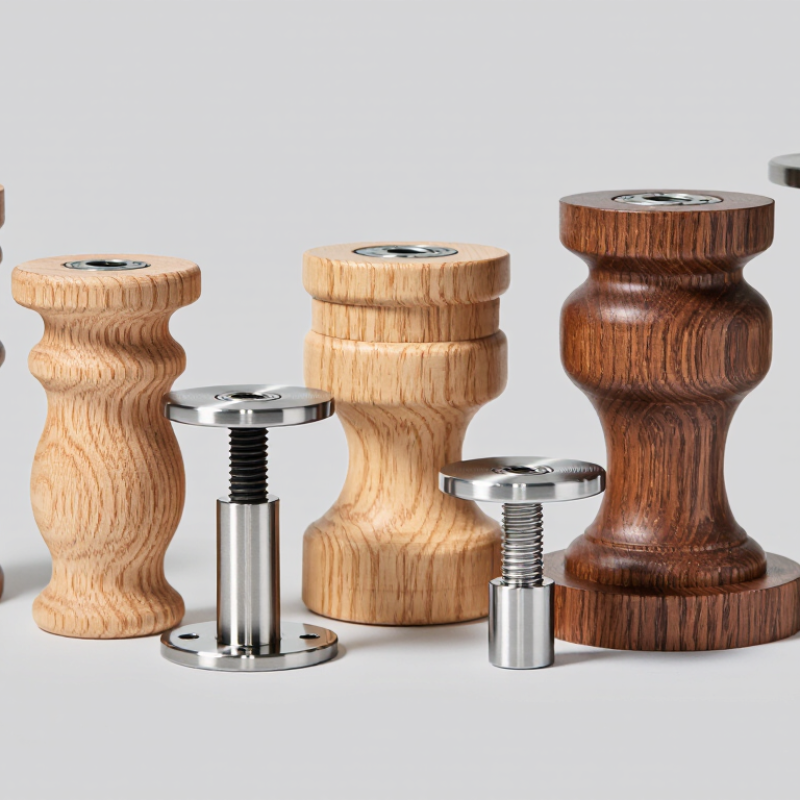
Bun Feet Sofa Legs: Definition, Structure, and Main Functions
Bun feet sofa legs are short, rounded supports shaped like compact wooden or metal buns. Their curved profile gives sofas a grounded, traditional appearance. Unlike straight tapered legs, bun feet spread visual weight near the floor. The visible structure usually includes a rounded foot, a narrow neck, and a mounting section. The mounting section may use a threaded bolt, plate, or concealed insert. Each system affects installation speed and replacement options.
In furniture inspections, I check the foot’s height, diameter, grain direction, and connection strength. These details influence stability. A wider base can reduce rocking on firm flooring. A correctly fitted bolt helps keep the leg aligned during daily use. However, bun feet do not automatically support every sofa frame. Heavy upholstery, uneven floors, or weak corner blocks may create stress. I have seen attractive legs loosen because the frame connection was poorly reinforced.
Their main functions are practical and visual. Bun feet lift the sofa above dust, assist cleaning, and protect the lower upholstery from floor contact. They also establish the sofa’s style, from classic to softly contemporary. For global buyers in 2026, material moisture, finish durability, load testing, and package protection deserve careful attention. Wood may show natural variation. That is not always a defect. Still, excessive cracks or uneven drilling require review before installation. A sample inspection is wiser than relying only on catalog images.
| Bun Feet Type | Definition and Visual Profile | Typical Structure | Common Materials | Typical Height Range | Main Functions | Suitable Sofa Styles | Key Buyer Considerations |
|---|---|---|---|---|---|---|---|
| Traditional Round Bun Feet | A short, rounded foot with a bulbous or semi-spherical profile and a broad lower contact area. | One-piece turned body, flat mounting surface, threaded stud or mounting plate, and a protective floor pad. | Solid hardwood, rubberwood, beech, metal, or reinforced polymer. | 50–100 mm | Supports the sofa, raises the frame from the floor, and adds a classic decorative appearance. | Traditional, transitional, cottage, and vintage-inspired sofas. | Check the foot diameter, mounting method, wood moisture control, and floor-protection design. |
| Low Bun Feet | A compact bun-shaped foot designed to create a low visual stance and limited clearance beneath the sofa. | Short rounded body with a wide base, concealed fixing point, and optional non-slip pad. | Hardwood, engineered wood, steel, aluminum, or high-strength plastic. | 25–50 mm | Provides stable support while preserving a low-profile sofa silhouette. | Low-profile, contemporary, modular, and apartment sofas. | Confirm cleaning clearance, robot-vacuum access, and the minimum required distance from the floor. |
| Tall Bun Feet | An elongated bun-foot design that combines a rounded upper section with increased vertical clearance. | Turned or molded body, reinforced neck, threaded insert or plate, and floor-contact pad. | Solid wood, powder-coated steel, stainless steel, or molded polymer. | 100–150 mm | Improves under-sofa accessibility, increases seat-frame elevation, and creates a more elevated appearance. | Classic, formal, high-seat, and furniture with removable skirts. | Verify the total sofa height, center-of-gravity stability, screw strength, and compatibility with the frame. |
| Block Bun Feet | A simplified bun-foot form with rounded edges and a compact block-like silhouette. | Solid or laminated block, shaped corners, top fixing plate or threaded insert, and optional rubber pad. | Hardwood, plywood, aluminum, steel, or engineered polymer. | 50–100 mm | Delivers broad load distribution, straightforward installation, and a restrained decorative effect. | Modern traditional, Scandinavian, transitional, and utility-focused sofas. | Review the base width, edge radius, grain direction, and resistance to splitting around fasteners. |
| Tapered Bun Feet | A rounded foot that narrows toward the bottom or top, combining a bun profile with a tapered outline. | Turned or CNC-shaped body, angled or straight taper, mounting stud or plate, and protective pad. | Beech, oak, rubberwood, steel, aluminum, or composite material. | 60–120 mm | Supports the frame while visually reducing the apparent weight of the sofa. | Mid-century, contemporary, transitional, and residential lounge sofas. | Check the taper direction, footprint stability, leg angle, and visual consistency across all four corners. |
| Metal Bun Feet | A rounded or domed bun-foot shape manufactured from formed, machined, or cast metal. | Metal body with threaded stud, mounting plate, or bolt-through connection; may include a separate floor pad. | Powder-coated steel, stainless steel, aluminum, or zinc alloy. | 40–120 mm | Provides high structural strength, dimensional consistency, and resistance to moisture-related movement. | Contemporary, industrial, commercial, and high-use seating. | Assess corrosion protection, coating adhesion, sharp-edge control, thread accuracy, and floor noise. |
| Wooden Bun Feet | A natural wood bun foot with visible grain, rounded shaping, and a finish matched to the sofa frame. | Turned solid-wood body or laminated construction with a threaded insert, plate, or dowel-based fixing. | Beech, oak, maple, ash, rubberwood, or other furniture-grade hardwoods. | 50–120 mm | Provides structural support and a warm, customizable decorative element. | Classic, farmhouse, traditional, Scandinavian, and upholstered sofas. | Confirm moisture content, finish uniformity, grain defects, screw-boss strength, and color-matching requirements. |
| Upholstered or Wrapped Bun Feet | A rounded support foot covered with fabric, leather, faux leather, or another upholstery material. | Wood or polymer core wrapped with upholstery material and secured with adhesive, staples, or stitched detailing. | Wood, molded polymer, plywood core, fabric, leather, or synthetic leather. | 50–100 mm | Softens the visual transition between the sofa body and the floor and supports coordinated upholstery design. | Luxury, traditional, boutique, and fully upholstered sofas. | Evaluate abrasion resistance, seam placement, moisture exposure, cleaning requirements, and colorfastness. |
| Bun Feet with Skirt Clearance | A bun foot configured to support a sofa while allowing a fabric skirt to fall around or above the foot. | Rounded foot with concealed or partially concealed fixing, sufficient side clearance, and optional skirt-retaining feature. | Hardwood, steel, aluminum, or reinforced polymer. | 50–120 mm | Supports the frame while maintaining skirt movement and preventing fabric from dragging excessively on the floor. | Skirted traditional, country, formal, and slipcovered sofas. | Measure skirt drop, clearance around the foot, mounting depth, and access for future reupholstery. |
| Adjustable Bun Feet | A bun-shaped foot with a height-adjustment mechanism for leveling the sofa on uneven floors. | Decorative outer body combined with a threaded leveling bolt, nut, base plate, and floor-protection pad. | Steel, stainless steel, aluminum, hardwood cover, or reinforced polymer. | 50–110 mm | Compensates for minor floor irregularities and helps reduce rocking after installation. | Modular, commercial, contract, and large sectional sofas. | Check adjustment range, locking method, load rating, access to the adjuster, and long-term thread durability. |
| Recessed or Concealed Bun Feet | A bun foot positioned inward from the sofa edge so that it is partly hidden from normal viewing angles. | Short rounded support fixed to an inset mounting block, rail, plate, or reinforced frame corner. | Hardwood, steel, aluminum, or molded polymer. | 40–100 mm | Creates a floating visual effect while transferring the sofa load to reinforced frame locations. | Contemporary, minimalist, modular, and compact sofas. | Confirm frame reinforcement, inset distance, tipping resistance, and clearance for cleaning tools. |
| Decorative Carved Bun Feet | A bun foot enhanced with carved rings, fluting, grooves, or other ornamental surface details. | Turned or carved body with a concealed insert, threaded stud, or mounting plate and a finished contact pad. | Solid hardwood, resin, composite wood, or painted molded material. | 60–130 mm | Provides load support while functioning as a prominent furniture decoration. | Antique-inspired, ornate, traditional, and formal upholstered sofas. | Inspect carving consistency, coating coverage, fragility of details, repairability, and packaging protection. |