


NEWS at Quanex
See the latest news, posts and events from Quanex about our business, the industry, our people and more.
2026 Top Types of Tarpaulin Sheets for Global Buyers?
Choosing the right Tarpaulin Sheets in 2026 requires more than comparing prices or color samples. Global buyers now examine material performance, production consistency, environmental exposure, and supplier reliability. A sheet covering machinery in a humid port faces different demands from one protecting bricks on a dry construction site. Small details matter, including fabric weight, coating thickness, eyelet spacing, seam strength, UV resistance, and temperature tolerance.
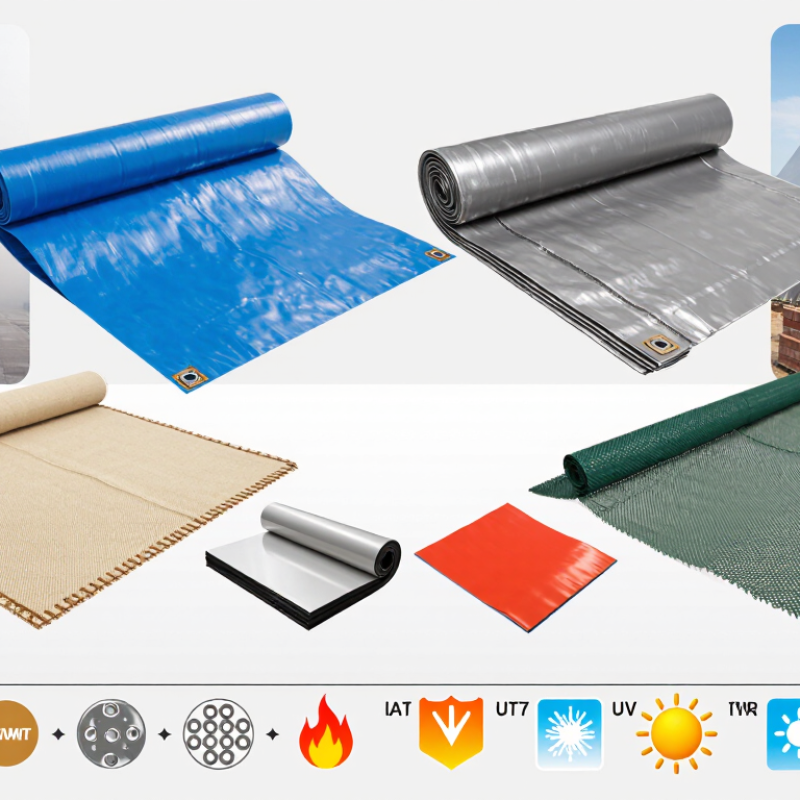
This guide introduces the leading tarpaulin types for international purchasing. Polyethylene tarpaulins remain popular for their low weight, water resistance, and practical cost. PVC-coated tarpaulins offer stronger abrasion resistance and longer service in demanding outdoor conditions. Canvas tarpaulins provide breathability and a traditional feel, while mesh tarpaulins improve airflow around loads, fences, and agricultural structures. Laminated and fire-retardant options may suit specialized projects, but their performance depends on verified specifications and responsible manufacturing.
No single sheet wins every application.
In my experience, buyers often focus too heavily on GSM and overlook stitching quality. That assumption can fail after repeated folding, wind movement, or sharp contact points. Reliable suppliers should provide clear test data, sample approval, inspection records, and honest information about limitations. Buyers should also review local safety, import, and material requirements before placing large orders. A cheaper sheet may become expensive when replacement, delivery delays, or damaged goods enter the calculation. The best choice balances service life, handling needs, climate, budget, and supplier accountability. Some recommendations still require field testing, especially in extreme weather.
What Are Tarpaulin Sheets and Why Do Buyers Need Them?
Tarpaulin sheets are flexible protective covers made from woven fabric, plastic film, or layered composites. Common fabrics include polyethylene, PVC-coated polyester, and canvas. Their surfaces may be waterproof, UV-resistant, flame-retardant, or breathable, depending on construction. Edges usually contain reinforced hems and metal or polymer eyelets for tying. Small details matter.
Buyers need tarpaulins because goods face rain, dust, sunlight, abrasion, and temporary storage pressure. A properly selected sheet can cover machinery, building materials, vehicles, crops, or outdoor equipment. It can reduce moisture damage and keep loading areas cleaner. However, “waterproof” does not mean indestructible. Sharp corners, standing water, and excessive tension can cause early failure. That warning is easy to overlook.
Selection should begin with the job, not the lowest quoted price. Check size after hemming, fabric weight, coating thickness, eyelet spacing, and temperature range. For windy sites, buyers should request reinforced corners and suitable tie-down points. For long outdoor exposure, ask for UV testing and written material specifications. A sample inspection can reveal uneven coating, weak stitching, or inaccurate dimensions before shipment. One practical lesson is uncomfortable: a thicker sheet may still perform poorly if its seams are weak. Clear specifications and inspection records make purchasing more reliable, though no tarp removes every handling risk.
2026 Top Types of Tarpaulin Sheets for Global Buyers? - What Are Tarpaulin Sheets and Why Do Buyers Need Them?
| Tarpaulin Type | Typical Material | Common Weight Range | Key Performance Features | Best Applications | Main Buying Considerations |
|---|---|---|---|---|---|
| PE Tarpaulin | Woven polyethylene fabric with laminated PE coatings | 70–250 g/m² | Water-resistant, lightweight, economical, easy to fold, and available in many colors | Temporary covers, agricultural storage, construction materials, truck loads, and outdoor protection | Check fabric density, coating thickness, edge reinforcement, eyelet spacing, and UV treatment |
| PVC-Coated Tarpaulin | Polyester scrim coated with polyvinyl chloride | 300–1,000 g/m² | High tensile strength, strong tear resistance, excellent waterproofing, and good weldability | Truck curtains, industrial covers, warehouses, sports shelters, and long-term outdoor use | Heavier than PE; buyers should compare coating thickness, temperature flexibility, and seam strength |
| Canvas Tarpaulin | Cotton, polyester, or cotton-polyester woven fabric | 280–600 g/m² | Breathable, abrasion-resistant, durable, and less likely to trap condensation than fully coated sheets | Equipment covers, furniture protection, workshops, transportation, and storage requiring ventilation | Water resistance depends on treatment; natural cotton may require more maintenance and can absorb moisture |
| Mesh Tarpaulin | Woven polyethylene, PVC-coated polyester, or high-density synthetic mesh | 90–450 g/m² | Allows airflow, reduces wind load, provides shade, and helps control dust and debris | Scaffolding, fencing, shade structures, truck side curtains, and agricultural applications | Select mesh openness according to the required balance between airflow, visibility, shade, and containment |
| Silicone-Coated Tarpaulin | Technical woven fabric coated with silicone | 30–200 g/m² | Very lightweight, flexible, water-resistant, heat-tolerant, and suitable for compact packing | Outdoor gear, emergency shelters, lightweight covers, and applications where low weight is important | Usually costs more than basic PE; evaluate coating adhesion, fabric strength, and repair compatibility |
| Fire-Retardant Tarpaulin | PVC-coated polyester or treated synthetic fabric | 350–900 g/m² | Designed to slow flame spread and may meet specified fire-performance requirements | Event structures, industrial partitions, welding screens, temporary buildings, and public-use areas | Request test reports for the destination market because fire classifications and test methods differ by region |
| Insulated Tarpaulin | Multi-layer fabric with foam, foil, or thermal insulation core | 500–1,500 g/m² | Reduces heat transfer, improves temperature stability, and can provide light and moisture protection | Cold-chain support, temporary partitions, industrial equipment, and temperature-sensitive storage | Compare thermal resistance, total thickness, foldability, condensation control, and cleaning requirements |
| Truck and Trailer Tarpaulin | PVC-coated polyester or heavy-duty PE fabric | 450–700 g/m² | High tensile strength, waterproof construction, abrasion resistance, and compatibility with tensioning systems | Cargo protection for flatbed trucks, trailers, rail transport, and logistics operations | Confirm finished dimensions, hem construction, buckle or eyelet layout, welding quality, and load conditions |
| Agricultural Tarpaulin | UV-stabilized PE, woven PP, or coated synthetic fabric | 90–250 g/m² | Weather protection, UV resistance, flexible handling, and suitability for repeated seasonal use | Hay and grain covers, silage protection, machinery, greenhouse support, and farm storage | Prioritize UV stability, waterproof seams, drainage design, wind resistance, and resistance to mildew |
| Groundsheet Tarpaulin | Coated polyester, PE, or abrasion-resistant laminated fabric | 100–350 g/m² | Moisture barrier, puncture resistance, easy cleaning, and protection from soil and surface abrasion | Camping, construction sites, temporary flooring, outdoor storage, and landscaping | A reinforced hem and rounded or protected eyelets help prevent tearing during anchoring |