What Are the Benefits of Using Aerogel Strips in Construction?
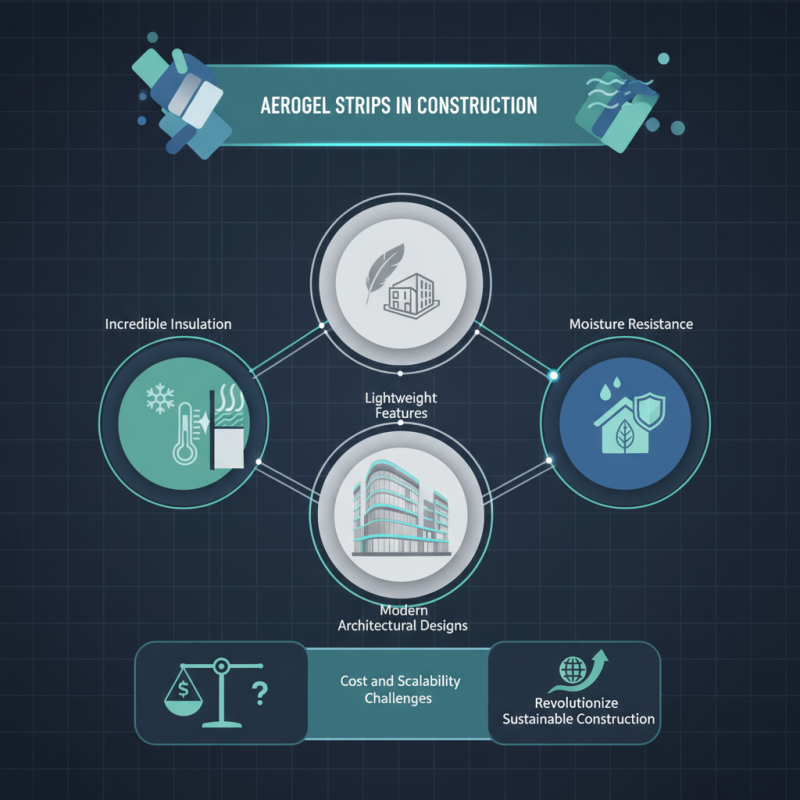
Aerogel Strips have emerged as a groundbreaking material in the construction industry. Experts emphasize their unique properties, which include incredible insulation and lightweight features. Dr. Emily Carter, a renowned material scientist, states, "Aerogel strips redefine what is possible in building design." These strips offer enhanced thermal insulation, making buildings more energy-efficient.
Moreover, aerogel strips provide excellent moisture resistance, which is crucial in various climates. They can be easily incorporated into modern architectural designs. However, challenges remain in terms of cost and scalability. Not every construction project can utilize aerogel strips due to their price point and availability.
Despite these hurdles, the benefits of aerogel strips cannot be overlooked. Their potential to revolutionize sustainable construction is immense. As we explore this topic further, we will uncover the specific advantages of using aerogel strips and consider the industry's direction in adopting this innovative material.
Benefits of Aerogel Strips in Thermal Insulation for Buildings
Aerogel strips have gained attention in the construction industry for their exceptional thermal insulation properties. These lightweight materials provide effective barriers against heat transfer. Buildings insulated with aerogel strips can significantly reduce energy consumption. This translates into lower utility bills, making them an attractive option for homeowners and developers alike.
One striking feature of aerogel strips is their ability to maintain temperature stability. Even in extreme weather, indoor spaces remain comfortable. This quality enhances the quality of life for occupants. However, some builders hesitate due to the initial costs associated with aerogel materials. It’s essential to weigh these expenses against potential long-term savings.
Despite their benefits, aerogel strips also present challenges. Installation requires skilled labor and careful handling. Builders must ensure proper integration into existing structures to maximize performance. Missteps in installation can hinder the expected benefits. Awareness of these factors is crucial for those considering aerogel strips for their projects.
Cost-Effectiveness of Aerogel Strips Compared to Traditional Insulation Materials
Aerogel strips have become an intriguing alternative in construction, particularly when evaluating cost-effectiveness against traditional insulation materials. According to a report by the Department of Energy, aerogel insulation can offer R-values exceeding 10 per inch, dramatically outperforming fiberglass, which typically offers an R-value around 3. This efficiency allows for thinner applications, crucial in urban settings where space is limited.
The initial investment in aerogel strips may appear higher, often about 20% more than conventional insulation. However, when factoring in long-term energy savings, the returns can be significant. Studies indicate homeowners using aerogel insulation save up to 30% on heating and cooling expenses. The durability and lower maintenance requirements also contribute to a lower lifetime cost, making aerogel strips more sustainable in the long run.
Despite these benefits, adoption remains slow. There are concerns regarding installation complexity and upfront costs. Contractors may need additional training, and some projects may require custom solutions, which can lead to unexpected expenses. The performance advantages must be weighed against these challenges, urging stakeholders to consider both short-term and long-term implications thoroughly.
Enhanced Acoustic Properties of Aerogel Strips in Construction Applications
Aerogel strips have emerged as a game-changer in construction, particularly for their enhanced acoustic properties. Studies indicate that these lightweight materials can reduce sound transmission significantly. According to research from the Journal of Building Acoustics, aerogel can decrease noise levels by up to 30%. This is particularly beneficial in urban environments, where sound pollution is a growing concern.
The unique nanostructure of aerogel allows it to absorb sound waves more effectively than traditional insulation materials. By integrating aerogel strips into wall assemblies, building designers can create quieter living and working spaces. A recent study by the National Institute of Standards and Technology highlighted that aerogel's sound absorption coefficient is superior to that of fiberglass and foam. This can lead to improved comfort and productivity in densely populated areas.
While the benefits are clear, some challenges remain. Aerogel can be more expensive than conventional materials. Additionally, installation methods must be adapted to ensure optimal performance. Careful consideration of these factors is essential in maximizing the advantages of aerogel in construction. Understanding the balance between cost and performance can guide better decision-making for future projects.
Durability and Longevity of Aerogel Strips Under Harsh Environmental Conditions
Aerogel strips are gaining traction in construction due to their impressive durability. These lightweight materials, often called "frozen smoke," can endure harsh environmental conditions. They resist extreme temperatures and humidity. This unique property makes them suitable for high-stress applications.
In addition to their thermal resistance, aerogel strips provide excellent durability. They retain their structural integrity even when exposed to wind, rain, and snow. This resilience can reduce maintenance costs in the long run. Moreover, their exceptional insulation properties can lead to energy savings. Builders can rely on aerogel to last longer than traditional materials.
However, it's essential to consider some limitations. The initial costs of using aerogel can be higher. Also, while they are resistant to various conditions, they can be brittle. This might pose challenges during installation. Reflecting on these aspects will help make informed decisions when choosing materials for construction.
Benefits of Using Aerogel Strips in Construction
Sustainability and Environmental Impact of Using Aerogel Strips in Construction
Aerogel strips are gaining attention in construction for their sustainability benefits. These materials are lightweight and highly insulating. According to a 2021 report by the International Energy Agency, energy efficiency in buildings could be improved by up to 30% with the use of advanced insulation materials. Aerogel strips achieve this goal with their exceptional thermal resistance, often surpassing traditional insulation methods.
Producing aerogel can demand significant energy. The process involves supercritical drying, which can lead to high carbon emissions. However, the long-term benefits are notable. A life cycle assessment from the Journal of Cleaner Production indicates that buildings using aerogel strips can reduce their overall carbon footprint by nearly 70% over their lifetime. This is a crucial consideration in our efforts to combat climate change.
While aerogels have incredible insulating properties, they are not without challenges. Cost can be a barrier for some construction projects. Moreover, the delicate nature of aerogels requires careful handling. This complexity can lead to increased waste if not managed properly. Despite these hurdles, the commitment to using aerogel aligns well with global sustainability goals.