
NEWS at Quanex
See the latest news, posts and events from Quanex about our business, the industry, our people and more.
What Is the Best Aluminum Porch Railing for 2026?
Choosing the best Aluminum Porch Railing for 2026 is less about picking the most stylish product and more about matching the railing to your porch, climate, and daily use. A front step exposed to rain needs different care than a covered, inland veranda. The right system should feel secure, suit the home, and remain practical over time. Looks matter, too.
This guide compares key details that homeowners can assess: aluminum grade and finish, post spacing, infill style, installation method, warranty terms, and maintenance needs. Powder-coated finishes can offer a broad range of colors, while pickets and glass panels create distinctly different views and upkeep routines. Small details count. Check how the posts attach to the porch structure, not just how they look in a product photo. A sturdy rail cannot compensate for a weak mounting surface.
There is no single best option for every home. Porch height, exposure to salt air, accessibility needs, and local building requirements can all affect a suitable choice. Confirm applicable requirements with your local building department and review the manufacturer’s installation instructions before buying. Product claims deserve a careful read. A long warranty sounds reassuring, but its coverage and exclusions matter. The comparisons ahead focus on durability, safety, design, and value, helping you narrow the field without assuming the most expensive railing is automatically the best. One honest caveat: online specifications do not reveal every installation challenge, so a qualified contractor can help assess unusual porch conditions.
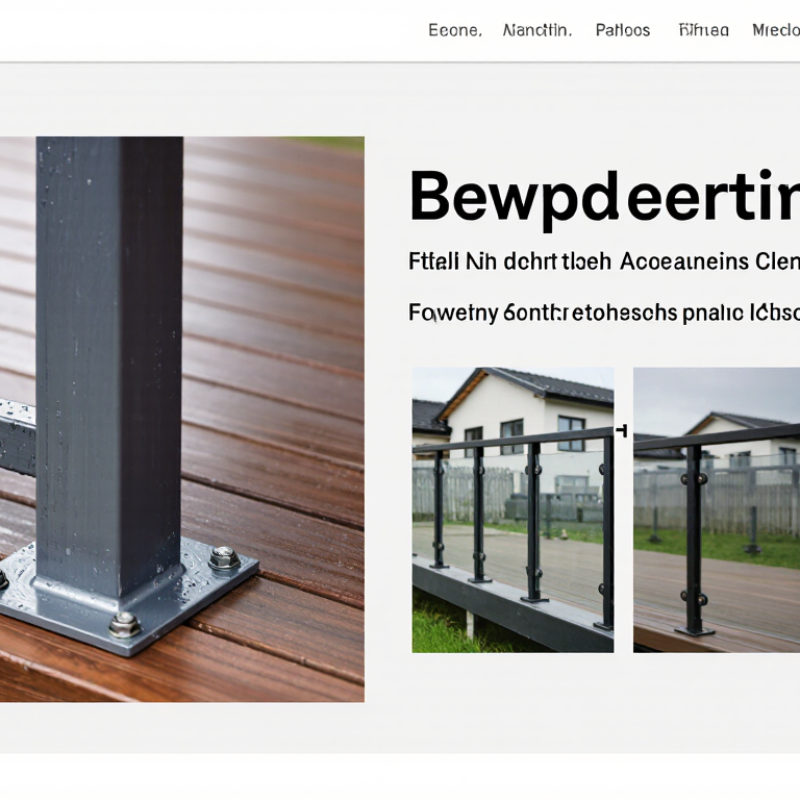
Key Factors for Evaluating Aluminum Porch Railings
The best aluminum porch railing depends on exposure, load capacity, finish, and fit—not appearance alone. Start with the porch’s measured span, post locations, and required rail height. The 2021 International Residential Code, Table R301.5, lists a 200-pound concentrated load for guards and handrails, plus 50 pounds per square foot for guard infill. These figures offer a useful screening benchmark, but local requirements can differ. Check the applicable code before ordering.
Ask how the rail system was tested. ASTM E2353 describes test methods for permanent metal railing systems, including strength and performance checks. For coastal or wet sites, inspect the coating specification and ask for documented corrosion-resistance testing; “powder-coated” alone does not tell you how the finish will hold up. Run a hand over sample edges, check that posts feel rigid, and confirm fasteners suit the porch’s wood, concrete, or masonry. Small gaps matter. They affect both safety and appearance. I would also compare replacement-part availability and installation instructions, even when the initial quote looks good. One detail is easy to overlook: a strong rail can still disappoint if water collects around its base.
What Is the Best Aluminum Porch Railing for 2026?
Key factors to evaluate before choosing an aluminum porch railing.
Code compliance and secure installation are critical starting points. Also compare the finish, infill safety, maintenance needs, and warranty. Scores are an editorial checklist priority, not measured product ratings; confirm requirements with your local building authority.
Common Railing Styles and Configuration Options
For a 2026 porch, choose the railing style around the view, traffic, and maintenance you can manage. Vertical pickets suit traditional façades and keep the porch visually open; horizontal rails create a contemporary line but may need extra care where children climb. Glass panels preserve sightlines, though fingerprints show quickly. Solid privacy panels block views and wind, yet can make a small porch feel enclosed. A simple truth: style affects upkeep.
Configuration matters as much as appearance. Common choices include level runs, stair sections, corner posts, and gates; confirm each connection works with the porch’s framing before ordering. The Aluminum Association’s Aluminum Design Manual reports typical aluminum density at about 2.70 g/cm³, compared with roughly 7.85 g/cm³ for steel. That lower material weight can ease handling, but post spacing and anchorage still depend on the complete system and site conditions.
Check local requirements, too: the 2021 International Residential Code generally calls for 36-inch guards at dwelling porches and limits openings so a 4-inch sphere cannot pass through. Verify the locally adopted code and exceptions.
Measure twice.
An awkward corner can spoil an otherwise clean railing line.
Safety Requirements, Dimensions, and Building Codes
What Is the Best Aluminum Porch Railing for 2026?
A good aluminum porch railing is not just attractive; it must fit the porch and meet local safety rules. In many U.S. residential codes, a guard is required when a walking surface is more than 30 inches above the ground nearby. A 36-inch guard height is common, but some jurisdictions require more. Stair handrails often fall between 34 and 38 inches, measured from the stair nosings. Check the code adopted by your local building department before buying materials. Rules can vary by location and project type.
Openings matter, too. Many residential codes use a four-inch sphere test for guardrail gaps, with separate limits for stair openings. A sturdy system also needs posts anchored into sound framing, not just porch boards. Use compatible, corrosion-resistant fasteners, and follow the railing maker’s installation instructions. An attractive rail can still feel loose if its posts are poorly supported. I would measure twice; porch edges are not always square.
Tips: Measure post spacing, stair angles, and finished floor height before ordering. Ask your local building department whether a permit or inspection is required. Keep a written copy of its guidance. Then compare railing dimensions and installation details against those requirements.
Comparing Durability, Finishes, Maintenance, and Installation
What Is the Best Aluminum Porch Railing for 2026?
The best aluminum porch railing balances sturdy construction, a finish suited to your climate, and an installation that fits the porch. Aluminum resists rust, but thin components or loose connections can still feel shaky. Check rail and post dimensions, welds or joints, and the recommended span between posts. A firm hand on the top rail should not produce noticeable movement.
Finishes affect both appearance and upkeep. A durable powder-coated surface usually needs only occasional washing with mild soap and water. Dark colors can show dust, while textured finishes may disguise small marks. Near the coast, ask how the coating and fasteners perform in salty air; aluminum itself does not rust like steel, but nearby hardware may corrode. That detail matters. Installation quality matters just as much. Posts must attach securely to the porch structure, not merely to weak trim. Follow the system’s instructions, and confirm that its spacing and height suit your local requirements. A railing can look perfect and still be poorly anchored.
Tips: Before choosing, measure the porch and inspect the mounting surface. Compare finish-care instructions and verify that the kit includes compatible fasteners. If the deck edge is damaged, repair it first. It’s easy to overlook.
What Is the Best Aluminum Porch Railing for 2026? - Comparing Durability, Finishes, Maintenance, and Installation
| Railing option | Typical finish | Durability and corrosion resistance | Maintenance | Installation considerations | Best suited for |
|---|---|---|---|---|---|
| Standard powder-coated aluminum | Baked-on powder coating; commonly available in several colors and surface textures. | Aluminum does not rust like steel. A sound coating helps protect the surface, though scratches and damaged areas can expose the metal. | Wash periodically with mild soap and water. Check fasteners, joints, and coating for damage at least annually. | A practical choice for many porch projects. Accurate post layout and secure attachment to suitable framing are important. | Most homeowners seeking a balance of appearance, upkeep, and everyday durability. |
| Coastal-oriented powder-coated aluminum | Powder coating, often specified with a pretreatment intended for corrosive environments. | A suitable coating system and corrosion-resistant hardware can improve performance near salt air, but no finish eliminates the need for care. | Rinse more frequently where salt spray or airborne contaminants collect. Inspect coating, cut edges, and hardware regularly. | Confirm the manufacturer’s environmental-use guidance and use compatible fasteners to reduce galvanic corrosion risks. | Porches in coastal or otherwise corrosive settings where cleaning and hardware selection deserve extra attention. |
| Anodized aluminum | Anodized oxide layer, commonly available in natural metallic tones and selected colors. | The anodized layer is integrated with the aluminum surface and resists peeling; appearance and protection depend on the specified anodizing process and exposure. | Clean with non-abrasive products. Avoid harsh chemicals and abrasive pads that may damage or dull the finish. | Check that compatible profiles, connectors, and finishes are available for the intended railing design. | Projects favoring a metallic appearance and a finish that does not rely on a paint-like topcoat. |
| Heavy-wall or architectural aluminum system | Usually powder-coated or anodized; profiles and finish options vary by system. | A sturdier profile can provide a more substantial feel, but overall strength depends on the complete assembly, connections, post spacing, and anchorage. | Generally similar routine cleaning to other aluminum systems. Inspect structural connections and finish condition regularly. | May require careful field measurement and system-specific components. Verify load requirements and installation details before ordering. | Projects where a more substantial profile or a coordinated architectural appearance is a priority. |
| Modular, pre-engineered railing kit | Often factory-applied powder coating; exact finish and color range depend on the kit. | Performance depends on the kit’s materials, connections, coating, and correct installation rather than the modular format alone. | Routine washing and periodic checks of brackets, screws, and finish are typically required. | Can simplify layout and assembly, but porch measurements, stair angles, post locations, and sound structural backing must be confirmed. | DIY projects or straightforward porch layouts using a coordinated set of compatible parts. |
Practical takeaway: For many porches, a properly specified powder-coated aluminum system offers a strong balance of durability, finish choices, and manageable maintenance. In coastal locations, give extra attention to coating suitability, compatible corrosion-resistant fasteners, and regular rinsing.
Product performance varies by design and installation. Before purchasing, check local building requirements for railing height, openings, load resistance, and stair applications, and follow the system’s installation instructions.
Matching a Railing System to Your Porch Needs in 2026
What Is the Best Aluminum Porch Railing for 2026?
Matching a Railing System to Your Porch Needs in 2026
The best railing depends on how your porch is used, not just how it looks. Measure the opening, note stair locations, and check whether children or pets need closer spacing between rails. If the porch faces a busy street, choose a layout that preserves sightlines without feeling flimsy. For a shaded, damp corner, ask about the finish’s care requirements. Think wet mornings.
Coastal air and frequent rain make finish quality especially important; aluminum does not rust like steel, but its coating can still wear or scratch. Ask how posts attach to the porch structure, and have a qualified installer check the substrate before work begins. Local building requirements vary, so verify them before choosing rail height or spacing. A useful sustainability detail: the International Aluminium Institute reports that recycling aluminum uses about 5% of the energy needed to make primary aluminum. That matters. Still, recycled content alone cannot tell you how durable a finished railing will be. Compare material thickness, finish specifications, warranty terms, and maintenance instructions, then weigh them against your climate, budget, and preferred view.
