
Contact Us

Filter Close

NEWS at Quanex

See the latest news, posts and events from Quanex about our business, the industry, our people and more.

10 Best Nasal Opening Strips for Better Sleep

A restful night can feel out of reach when each breath seems to meet resistance. Nasal Opening Strips are small adhesive bands that gently pull the sides of the nose outward. They may help some people breathe more comfortably through their nose, especially when congestion or narrow nasal passages contribute to airflow difficulty. They are not a cure for every cause of snoring or poor sleep.

The need for better sleep is widespread. The U.S. Centers for Disease Control and Prevention reported that about 35% of adults slept fewer than seven hours per night, based on 2014 survey data. The American Academy of Sleep Medicine recommends that adults regularly get at least seven hours. These figures describe a broad sleep problem; they do not prove that nasal strips improve sleep. That distinction matters.

This guide compares 10 options by fit, adhesive comfort, material, and ease of removal. A strip that stays put through a warm night may feel different from one that tugs at sensitive skin. Results also vary. Some users notice easier nasal breathing; others notice little change. Honestly, product claims can sound more certain than the evidence allows. Nasal strips do not treat sleep apnea, and persistent loud snoring, pauses in breathing, or daytime sleepiness deserve advice from a qualified health professional. The best choice is practical, comfortable, and appropriate for your symptoms—not simply the most heavily advertised.
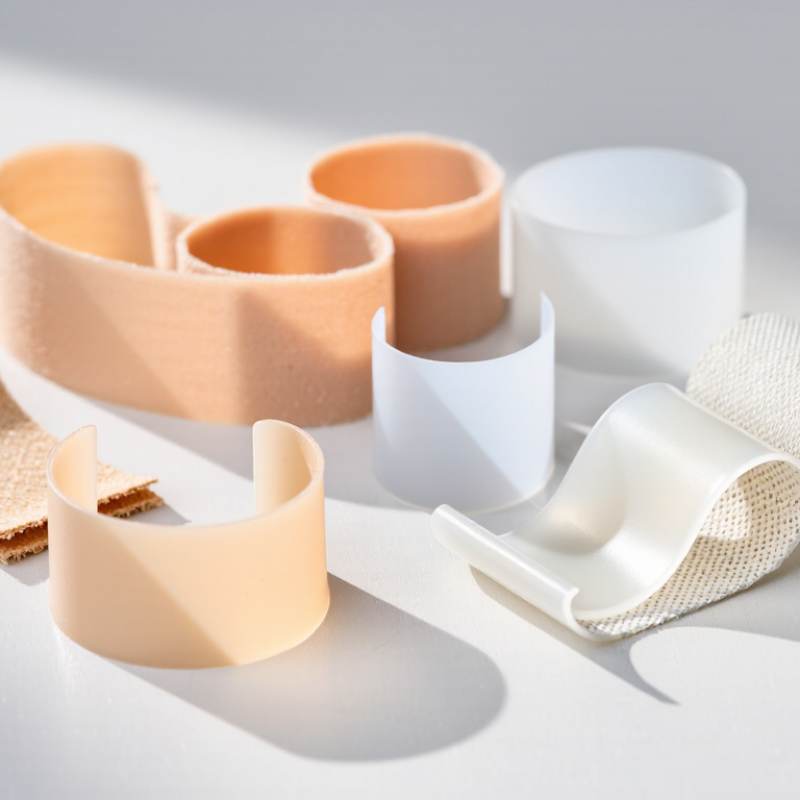
10 Best Nasal Opening Strips for Better Sleep

What Nasal Opening Strips Are and How They Support Easier Breathing

Nasal opening strips are flexible adhesive bands placed across the bridge of the nose. Their spring-like tension gently lifts the nostrils outward, widening the nasal valve—the narrow passage near the entrance of the nose. For someone whose nose feels stuffy when lying down, that small change may make each breath feel less restricted. The effect is mechanical, not medicinal. They do not clear mucus or treat the cause of congestion.

Evidence calls for modest expectations. A 2016 systematic review and meta-analysis of nasal dilators found no meaningful improvement in key sleep-apnea measures, including the apnea-hypopnea index. That matters because the American Academy of Sleep Medicine reports that at least 25 million U.S. adults have obstructive sleep apnea; strips are not a substitute for clinical evaluation or prescribed treatment. They may help some people with nasal blockage, but better airflow through the nose does not guarantee quieter breathing or healthier sleep.

Fit can be surprisingly individual. The strip should sit across clean, dry skin, with its ends resting beside the nostrils; pulling it too high may make little difference. Try it on a night when nasal congestion is noticeable, then compare comfort—not just snoring. It may not work. Persistent loud snoring, gasping, or daytime sleepiness deserves medical advice, even when a strip seems to help.

How to Evaluate Nasal Strips for Comfort, Fit, and Effectiveness

10 Best Nasal Opening Strips for Better Sleep

Comfort and fit are personal, not cosmetic details. A strip should sit across the bridge without pulling painfully at the skin or lifting at the edges. Check its width against your nose, and look for clear sizing and adhesive instructions. If your skin is sensitive, a short daytime test may reveal irritation before bedtime. Small detail. Clean, dry skin also helps the adhesive hold.

Effectiveness needs a realistic measure. Notice whether nasal breathing feels easier, but do not treat that sensation as proof of better sleep. A 2016 systematic review in Sleep pooled 14 studies involving 147 participants. External and internal nasal dilators changed the apnea-hypopnea index by just −0.36 events per hour; the 95% confidence interval ranged from −1.89 to 1.17. That result did not show a meaningful improvement in this sleep-apnea measure. Nasal strips may still feel useful for some people with nasal congestion, but they are not a substitute for assessment of persistent snoring or breathing pauses.

Compare strips over several ordinary nights, noting comfort, skin reactions, and whether they stay attached until morning. One night is weak evidence. Fit can shift with facial shape, sleep position, or perspiration, and a strip that feels snug may simply feel annoying. If sleep remains poor, discuss symptoms with a qualified clinician rather than relying on a stronger adhesive.

Key Types and Features to Compare Before Choosing a Strip

Choosing among nasal opening strips starts with how they work. External adhesive strips sit across the nose bridge and gently pull the nostrils outward. Internal dilators rest just inside the nostrils, while adjustable designs let users change the fit. The best option depends on comfort, not just spring strength. Check strip width, adhesive ingredients, and whether the edges lift when you smile. Sensitive skin may react to adhesive. Internal pieces can feel bulky, especially for side sleepers. Fit is annoyingly personal.

Compare comfort and evidence, too. The American Academy of Sleep Medicine and Sleep Research Society recommend at least seven hours of sleep nightly for adults (Watson et al., Sleep, 2015). A nasal strip may make airflow feel easier, but it cannot guarantee better sleep. A 2016 systematic review of nasal dilators for snoring and obstructive sleep apnea found no consistent improvement in apnea severity. That distinction matters. Strips are not a substitute for assessment when breathing pauses, loud snoring, or daytime sleepiness persist. A practical test is to wear one briefly before bed and check for skin irritation or pressure. Even then, a clearer nose does not prove healthier sleep. I’d compare several sizes before deciding; packaging guidance can be imperfect.

10 Best Nasal Opening Strips for Better Sleep – Key Types and Features to Compare Before Choosing a Strip

Strip type How it works May suit Potential advantage What to compare before choosing
1. Standard external spring strip Adhesive anchors a flexible strip across the outside of the nose; the strip gently pulls the sides outward. People seeking a straightforward, non-medicated option for nasal stuffiness or nighttime nasal airflow. Simple design and widely available in different sizes. Check the size guide, placement instructions, adhesive suitability, and whether the strip feels comfortable when you smile or move your face.
2. Firmer-support strip Uses a stiffer or more supportive spring element to provide a stronger outward pull than a standard design. People who find a standard strip too mild, provided the firmer feel is comfortable. May feel more supportive for some users. “Extra strength” is not standardized across products. Compare construction details and stop using it if it causes pain or skin irritation.
3. Sensitive-skin adhesive strip Uses an adhesive formulated or marketed for gentler removal; the supporting strip still works externally. People who experience discomfort with stronger adhesives or frequent removal. May be easier to remove from delicate skin. Review the full ingredient and material information. “Sensitive skin” does not guarantee that a product will prevent irritation or allergy.
4. Small or narrow-size strip Has a shorter or narrower adhesive footprint intended for a smaller nose or narrower bridge. People for whom standard strips extend too far or do not sit flat. A closer fit can help the strip stay in place when correctly positioned. Compare strip dimensions and the recommended placement area; a strip that is too small may not adhere securely.
5. Large or wide-size strip Provides a wider or longer contact area for a broader nasal bridge. People who find standard strips too short or difficult to position securely. Can offer a better-fitting adhesive area on a wider nose. Check the product’s size measurements rather than relying on size labels alone; avoid placing adhesive on irritated or broken skin.
6. Contoured or curved strip Uses a shaped profile intended to follow the contour of the nose more closely. People whose nose shape makes a straight strip lift at the edges or feel awkward. The shape may improve contact when it matches the wearer’s nose. Compare the strip shape and placement diagram; a contoured design is not automatically a better fit for every nose.
7. Flexible, conforming strip Uses a more pliable support element designed to flex with facial movement. People who prioritize comfort during sleep or find firmer strips restrictive. May feel less rigid on the nose. Flexibility and opening force vary by design. Look for clear material and fit information rather than assuming all flexible strips perform alike.
8. Low-profile or discreet strip Uses a thinner, smaller-looking, or less conspicuous design while remaining an external nasal dilator. People who prefer a less noticeable strip or want a lighter feel. A discreet appearance may be more comfortable for everyday use. Check that the reduced profile still provides a secure fit for your nose; appearance alone does not indicate how much support it provides.
9. Water-resistant adhesive strip Uses adhesive designed to resist some moisture; it remains a single-use external strip unless the instructions say otherwise. People who perspire during sleep or want an option intended to maintain adhesion in humid conditions. May be less likely to loosen from ordinary moisture than a non-water-resistant adhesive. Water resistance is not the same as waterproofing. Follow the stated use and removal instructions, and do not reuse a disposable strip.
10. Latex-free material option Specifies that the strip or a stated component is made without natural rubber latex; the strip still opens the nasal passage mechanically. People who need to avoid natural rubber latex, subject to checking the complete product information. Provides a clearly stated material feature for shoppers with latex concerns. Verify the packaging or manufacturer’s material statement, including adhesive and packaging details if relevant to your allergy.

Note: These are general strip types, not ranked or brand-specific products, and several features may appear in the same strip. External nasal strips may help widen the nasal valve area for some people, but they do not treat sleep apnea. Seek medical advice for persistent breathing problems, loud snoring with pauses in breathing, or ongoing nasal symptoms.

10 Best Nasal Opening Strips for Better Sleep

10 Best Nasal Opening Strips for Better Sleep

Nasal opening strips may help some people breathe more comfortably at night. They sit across the bridge of the nose and gently pull the sides outward. The effect is modest, not magic. A strip cannot treat sleep apnea or fix every cause of congestion.

When comparing the ten best options, look for a comfortable fit, secure but gentle adhesive, and sizes that match your nose. Sensitive-skin versions may suit people who react to stronger adhesives. Flexible strips can feel less rigid, while wider designs may stay in place on broader noses. A multi-size pack can help you test the fit before settling on one style. Check the instructions, and remove the strip slowly to reduce skin irritation.

Comfort matters more than claims on the package. A strip that lifts at the corners or feels tight may interrupt sleep instead of helping it. Keep the skin clean and dry before applying one. If you still wake gasping, snore heavily, or struggle to breathe through your nose, speak with a healthcare professional. I would not assume a strip is working just because it feels snug; pay attention to how you actually sleep.

How to Choose and Use Nasal Strips Safely at Night

Nasal strips work by gently lifting the sides of the nose, which may make nasal breathing feel easier. Choose a flexible strip that fits your nose without pulling painfully. Check the package directions, and apply it to clean, dry skin above the nostrils. Fit matters. A strip placed too high may peel off; one stretched too tightly can irritate skin. Remove it slowly, especially if your skin is sensitive. Stop if redness or soreness appears.

A strip is not a treatment for sleep apnea. The American Academy of Sleep Medicine estimates that about 30 million U.S. adults have obstructive sleep apnea, with roughly 80 percent undiagnosed. Loud snoring, gasping, or persistent daytime sleepiness deserves medical assessment, not just a stronger strip. A 2016 Cochrane review, “Nasal dilators for snoring and obstructive sleep apnoea,” found insufficient reliable evidence to support them as an apnea treatment. That distinction is easy to overlook. If congestion is frequent, or breathing pauses are noticed, ask a clinician about the cause and suitable options. Nasal strips may offer comfort for some people, but results vary—and comfort alone cannot confirm safer sleep.

Scroll to Top