Contact Us

Filter Close

NEWS at Quanex

See the latest news, posts and events from Quanex about our business, the industry, our people and more.

What Is the Best Type of Patio Glass Door?

Choosing the best type of patio glass doors involves more than comparing frame colors or opening styles. Homeowners must balance daylight, ventilation, security, energy performance, and available wall space. A wide sliding door may suit a compact room, while hinged French doors can create a more traditional entrance. Folding systems offer dramatic openings, but their tracks and hardware require careful installation.

The U.S. Department of Energy reports that windows can account for roughly 25% to 30% of residential heating and cooling energy use. Patio doors are part of this building-envelope challenge. Glass area, orientation, air leakage, and frame materials all affect indoor comfort. ENERGY STAR guidance recommends considering climate, glazing performance, and certified product ratings before replacement. NFRC labels can help buyers compare U-factor, solar heat gain coefficient, and visible transmittance. These figures matter when afternoon sun heats a living room or winter air gathers near the threshold.

The answer is not perfectly tidy. A premium door can still perform poorly when flashing, drainage, or alignment is neglected. FGIA performance standards, including AAMA/WDMA/CSA 101/I.S.2/A440, provide useful benchmarks for testing air, water, structural, and operational performance. Yet a laboratory rating cannot predict every coastal gust, muddy track, or child’s repeated use. This guide examines the main patio glass doors options and explains where each design works best. Expect trade-offs, not magic. The right choice should match the home, climate, budget, and daily habits.
What Is the Best Type of Patio Glass Door?

Types of Patio Glass Doors and How They Open

What Is the Best Type of Patio Glass Door?

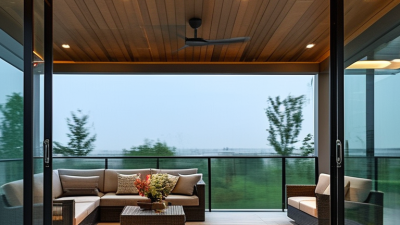
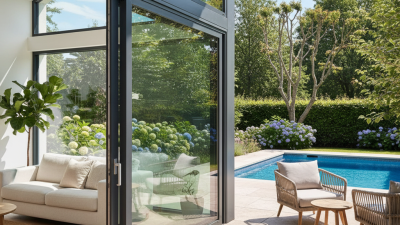
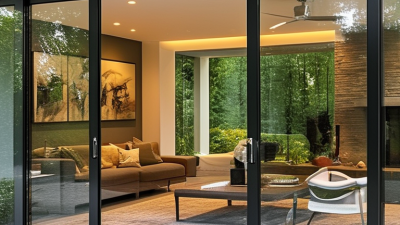
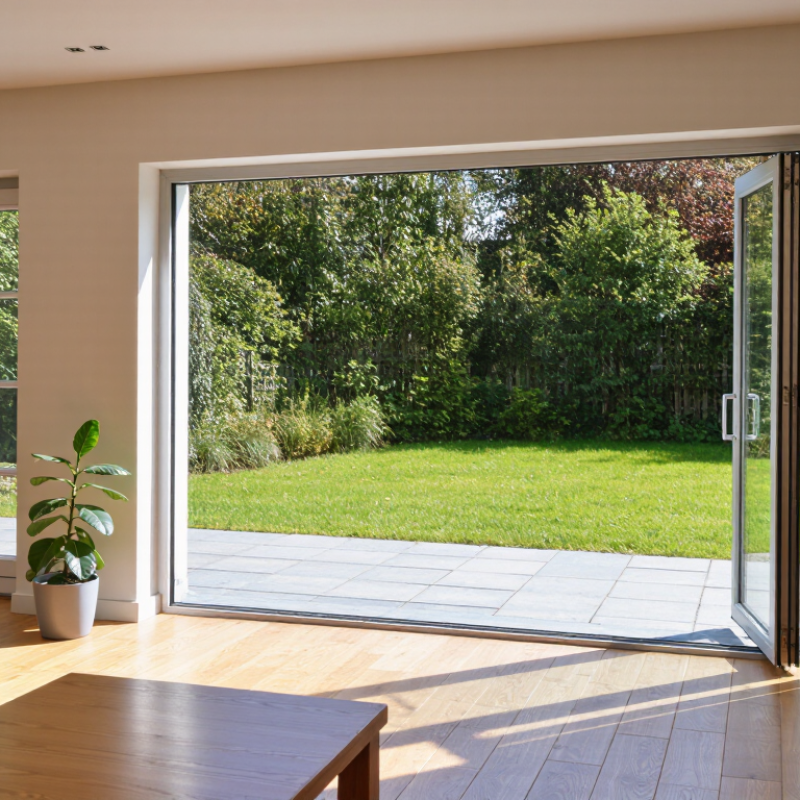
The best patio glass door depends on your room, wall space, and daily habits. Sliding glass doors move horizontally along tracks, so they need little indoor clearance. They suit compact rooms and busy walkways. Hinged doors, often called French-style doors, swing inward or outward. They provide a wider opening, but furniture can limit their movement. Folding doors use several connected panels. These panels stack to one side, creating a broad connection with the patio.

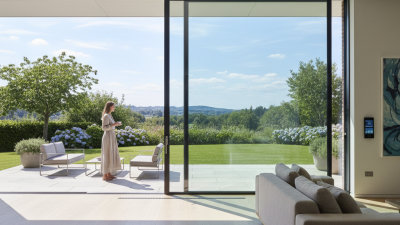
Lift-and-slide doors first rise slightly, then glide smoothly. This design can handle larger glass panels with less resistance. It also helps reduce track friction, though installation must be precise.

In my experience, a poorly aligned track can make an excellent door frustrating.

Weather exposure matters too. Choose insulated glass for rooms with strong sunlight or winter drafts. Check the frame, seals, hardware, and drainage details before choosing a style.

Tips: Stand inside the room and mark each door’s swing or stacking area with tape. Notice where morning sun reaches the glass. Test the handle at a comfortable height. Ask an experienced installer about drainage and threshold height.

I once underestimated furniture clearance; the door worked, but the room felt cramped. That small mistake changed the layout.

Key Materials, Glass Options, and Frame Designs

The best patio glass door depends on climate, exposure, and daily use.

In my experience, the frame often matters as much as the glass. A beautiful door can still feel cold if its frame conducts heat or leaks around the sill.

Vinyl frames offer good insulation and require little maintenance. They suit damp areas, though darker colors may expand under intense sunlight.

Aluminum frames look slim and modern. Choose versions with thermal breaks, or indoor surfaces may feel chilly in winter.

Fiberglass frames resist warping and handle temperature changes well. Wood frames provide warmth and character, but they need regular sealing.

I once prioritized appearance over maintenance. That choice was not entirely right.

Glass selection changes comfort and safety.

Double-pane insulated glass is a practical choice for many homes. Low-emissivity coatings can reduce heat gain beside a sunny patio. For strong afternoon light, tinted or spectrally selective glass may help, but it can alter indoor colors.

Tempered glass is designed to break into smaller pieces. Laminated glass holds together after cracking and can reduce outside noise.

Check the spacing between panes, edge seals, and drainage paths. These details are easy to overlook. They matter during heavy rain.

Sliding doors need smooth rollers and a stable track, while hinged designs require clear swing space.

Before choosing, observe where water collects after a storm and how often the doorway is used. A small design compromise may be wiser than an impressive specification.

Comparing Energy Efficiency, Security, and Maintenance

Choosing the best patio glass door depends on more than appearance. Energy efficiency, security, and maintenance should guide the decision. A low-emissivity glass panel can reduce heat transfer, while insulated glass helps keep indoor temperatures steadier. Check the U-factor and solar heat gain coefficient, not only the advertised glass thickness. A lower U-factor usually means better insulation.

Security needs careful attention. Tempered glass resists impact, but it can still break. Laminated glass holds together after cracking and may provide stronger protection. A rigid frame, reinforced track, and multi-point locking system also matter. Test the handle before buying. It should feel firm, not loose or flimsy. A visible lock is not always a reliable lock.

Maintenance often determines long-term satisfaction. Choose smooth tracks that can be vacuumed easily, and inspect weatherstripping for gaps. Wipe the glass with a soft cloth to prevent mineral buildup, especially near sprinklers. No patio door is maintenance-free. Even a well-built model may develop roller noise or drafts after years of use. I would rather choose a simpler door with replaceable hardware than a complicated design that requires specialized service. Small details matter.

What Is the Best Type of Patio Glass Door? - Comparing Energy Efficiency, Security, and Maintenance

Patio Door Type Energy Efficiency Security Maintenance Ventilation and Access Best Use
Sliding Glass Door Good
Modern units with low-emissivity glass, insulated frames, and weatherstripping can provide good thermal performance. A typical whole-door U-factor may be approximately 0.25–0.40 Btu/(h·ft²·°F), depending on the configuration and local certification.
Good
Look for laminated or tempered safety glass, a multi-point lock, anti-lift blocks, and a securely fixed frame. The operating panel should not be removable from the exterior.
Low to moderate
Tracks should be vacuumed and cleaned regularly. Rollers, locks, seals, and drainage openings may need periodic inspection and adjustment.
Offers convenient everyday access but usually opens only one-half of the total frame width. It does not require interior or exterior swing space. Space-saving installations, balconies, decks, and rooms where furniture is close to the doorway.
Hinged French Glass Door Very good
A compression seal around the sash can reduce air leakage effectively when the door is correctly installed. Double glazing and low-emissivity coatings can improve insulation and solar control.
Very good
The hinged design allows robust multi-point locking. Laminated glass and reinforced hinges can further improve resistance to forced entry.
Low
Maintenance generally involves cleaning the glass, checking weather seals, lubricating hinges and locks where recommended, and keeping the sill clear.
Can provide a wide opening when both panels operate, but requires clear swing space and may be less convenient in compact rooms. Traditional homes, formal garden entrances, and properties prioritizing sealing and security.
Bi-Fold Glass Door Moderate to good
Performance depends heavily on the number of panels, frame design, inter-panel seals, and installation quality. More moving joints can create more potential air-leakage points than a simple hinged door.
Good
Security is strongest with a multi-point lock, impact-resistant or laminated glass, anti-lift hardware, and correctly aligned panels.
Moderate to high
Hinges, rollers, guide tracks, seals, and panel alignment require regular checks. Dirt in the track can affect smooth operation.
Creates one of the widest clear openings, making it suitable for entertaining and strong indoor-outdoor connection. Folded panels need stacking space. Large openings, contemporary extensions, patios, and rooms designed for frequent entertaining.
Lift-and-Slide Glass Door Very good
When closed, the sash can engage substantial perimeter seals. Thermally improved frames, insulated glass, and low-emissivity coatings can deliver strong energy performance, although results vary by system.
Very good
Heavy-duty panels, multi-point locking, laminated glass options, and anti-lift protection can provide a high level of security when installed correctly.
Moderate
Tracks must remain clean and level. Rollers, seals, locking components, and drainage paths should be inspected periodically.
Provides a wide opening without a swing arc. The panels are often large and heavy, so professional installation and accurate adjustment are important. Premium renovations, expansive views, modern architecture, and projects requiring both large panels and strong weather sealing.
Single Hinged Patio Door Very good
Its compact frame and continuous compression seals can limit air leakage. Double-pane low-emissivity glass is commonly selected for improved insulation.
Very good
A solid frame, deadbolt or multi-point lock, reinforced strike plate, and laminated glass can provide strong protection.
Low
Routine care usually includes glass cleaning, seal inspection, hinge lubrication, and checking that the latch and frame remain aligned.
Provides a practical single-person entry but has a narrower opening than multi-panel systems and needs swing clearance. Smaller patios, side gardens, utility areas, and homes where energy performance and simple upkeep are priorities.
Selection note: Actual energy performance depends on the complete door assembly, including glass specification, frame material, spacer, weather seals, installation quality, orientation, and local climate. Compare certified whole-door U-factor and air-leakage ratings rather than glass-only values. Lower U-factor generally indicates better insulation.

Choosing the Best Patio Glass Door for Your Space

Choosing the best patio glass door starts with your space, not the door’s appearance. Measure the opening, furniture layout, and walking path carefully. A sliding door suits narrow patios because its panels move without needing extra floor space. French doors create a wider opening, but their swing area can interfere with chairs or planters. Folding doors offer a dramatic connection to the garden, although their tracks need regular cleaning.

In home improvement projects, I have noticed that sunlight changes the decision. South-facing glass may need stronger heat control, while shaded rooms often benefit from larger clear panels. Look for insulated glass, secure multi-point hardware, and tempered safety glass. A low threshold can improve accessibility, but it must still drain water effectively. Poor drainage becomes obvious after heavy rain. Very obvious.

Tips

Choose the door after observing the room at different times of day. Check where glare lands on the floor and whether afternoon heat makes the room uncomfortable. Bring a chair or table near the opening before deciding. This simple test reveals clearance problems that measurements may miss. Also, inspect the frame finish and seals closely. Small gaps can cause drafts, condensation, and higher maintenance later. I once underestimated the importance of track cleaning, and dirt quickly made the panel harder to move. A beautiful door is not always the easiest door to live with.

Installation Factors, Costs, and Long-Term Value

What Is the Best Type of Patio Glass Door?

The best patio glass door depends on opening size, weather, security needs, and daily use. Sliding doors suit narrow patios because their panels move along a track. Hinged French doors provide a wider opening, but they need clear floor space. Folding systems create dramatic access, though their hardware and installation usually cost more.

Installation quality often matters more than door style. A professional should check wall structure, sill height, drainage, and exterior flashing before ordering the door. Poor measurements can leave gaps around the frame. That mistake may cause drafts, water stains, or difficult operation. Low-emissivity glass can improve indoor comfort, while laminated or tempered glass adds safety. Ask for the glass U-factor and solar heat gain rating, not only the appearance.

Costs vary by size, glass specification, wall repairs, and local labor. A basic sliding unit may cost around $1,500 to $4,000 installed. Larger or highly customized systems can exceed $10,000. Long-term value includes energy savings, easier cleaning, replacement parts, and weather resistance. Tracks should roll smoothly and drain properly after heavy rain. Yet expensive glass does not fix an unstable wall. A careful site inspection may reveal that structural preparation deserves more budget than decorative upgrades.

Scroll to Top