China Best 304 Stainless Steel Raw Materials for Global Buyers?
The global market for 304 Stainless Steel Raw Materials has been witnessing significant shifts. In recent years, the demand for this versatile material has surged. According to industry reports, the stainless steel market is projected to grow at a CAGR of 5.4% from 2021 to 2028. This growth is fueled by sectors like construction, automotive, and food processing, which prioritize durability and corrosion resistance.
China stands out as a leading supplier of 304 stainless steel. Its production capacities make it a key player in meeting global needs. However, quality inconsistencies do raise concerns among buyers. Reports indicate that while many manufacturers adhere to international standards, others fall short, leading to mixed feedback. Ensuring reliability and sourcing from reputable suppliers is crucial for long-term relationships in the steel industry.
Addressing these challenges, it is vital for global buyers to gather comprehensive knowledge about their suppliers. Understanding material specifications and market trends can empower buyers. They must remain vigilant about quality assurance processes and potential supply chain issues. Ultimately, informed purchasing decisions will reflect the evolving landscape of 304 stainless steel raw materials.
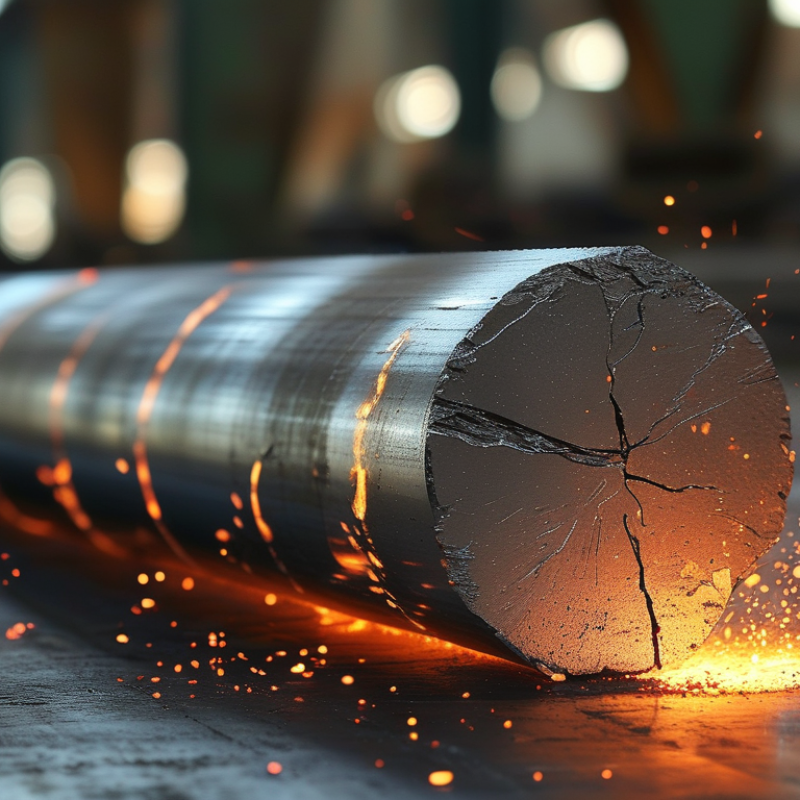
Overview of 304 Stainless Steel and Its Importance in Manufacturing
304 stainless steel is widely regarded for its versatility and strength. It contains 18% chromium and 8% nickel, which enhances its corrosion resistance. According to industry reports, this type of stainless steel accounts for about 60% of the global demand for stainless steel products. Its unique properties make it ideal for various applications, especially in the food and beverage industry, where hygiene is crucial.
Manufacturers value 304 stainless steel for its ability to withstand high temperatures and resistance to oxidation. Studies show that this material can perform well in environments with very low to very high temperatures. However, the production process isn't without challenges. For instance, achieving the right balance of alloying elements can be tricky. Insufficient nickel content can lead to lower corrosion resistance, ultimately affecting product quality.
Moreover, while 304 stainless steel is highly reliable, it is not impervious to certain corrosive environments. Chloride exposure can lead to pitting and crevice corrosion, causing manufacturers to rethink their use conditions. Thus, knowing the limitations and the properties of 304 stainless steel becomes essential for global buyers in manufacturing processes.
Overview of 304 Stainless Steel Production
This bar chart illustrates the production volume of 304 stainless steel by various countries. China leads significantly in production, reflecting its crucial role in the global manufacturing landscape.
Key Properties of 304 Stainless Steel Suitable for Various Applications
304 stainless steel is widely recognized for its excellent properties, making it ideal for many applications. It consists mainly of iron, chromium, and nickel, providing a balance of strength and corrosion resistance. This combination ensures durability in various environments, especially those with moisture or chemicals. The unique composition contributes to its non-reactive nature, making it suitable for kitchenware and food processing equipment.
In construction and manufacturing, 304 stainless steel's ability to withstand high temperatures is crucial. It can maintain structural integrity in challenging conditions. Furthermore, this grade of stainless steel is often easy to machine and weld, allowing for versatile use in fabrications. However, careful selection and preparation are vital. Poor welding practices may lead to weak points, compromising the material's integrity.
Another aspect worth considering is the cost-effectiveness of 304 stainless steel. While it may not be the cheapest option, its longevity and low maintenance needs often lead to savings in the long run. Yet, global supply fluctuations can impact availability and pricing. Buyers need to stay updated on trends and be prepared for variations in quality. Understanding these factors is essential for making informed decisions when sourcing raw materials.
Comparison of China’s 304 Stainless Steel Raw Materials with Global Standards
China has emerged as a significant player in the global stainless steel market, particularly with its 304 stainless steel raw materials. This grade is known for its corrosion resistance and formability, making it ideal for various applications. According to the International Stainless Steel Forum, China produced over 30 million metric tons of stainless steel in 2022, showcasing its massive production capacity and competitiveness.
When comparing China's 304 stainless steel with international standards, some discrepancies may arise. While China adheres to the GB/T 3280 standard, global standards such as ASTM A240 and EN 10088 exist. These differences can lead to variations in chemical composition and mechanical properties. For example, China's 304 stainless steel typically has a slightly higher sulfur content than its European counterparts, which may impact its weldability. Such factors should be considered by global buyers when sourcing materials.
Concerns about quality control also merit attention. Despite the advancements in manufacturing processes, some batches may fail to meet specified standards. Therefore, conducting thorough quality inspections is essential. Suppliers should provide certification and traceability to assure buyers of their material's integrity. Testing for key properties such as yield strength and elongation can help identify materials that meet or surpass expectations. Pay attention to these aspects to ensure the best raw materials for your projects.
Market Trends and Demand for 304 Stainless Steel from China
The demand for 304 stainless steel from China continues to trend upwards, with significant implications for global buyers. According to industry reports, China accounts for nearly 25% of the global stainless steel production capacity. This figure underscores the nation's pivotal role in the steel market. China's production of 304 stainless steel has risen by approximately 6% year-on-year, driven by rapid urbanization and industrialization.
An important aspect of the market is the fluctuating prices. Reports indicate that the average price for 304 stainless steel has experienced a volatility index of 12%. Buyers must stay informed about these price trends to make educated purchasing decisions. Furthermore, many international buyers face challenges sourcing high-quality materials suitable for their specific needs. This might lead to overspending or acquiring subpar products.
A critical observation is that quality varies significantly within the industry. Not all suppliers uphold the same standards, which can lead to discrepancies in product performance. Buyers should conduct thorough quality checks. Exploring multiple vendors can provide a broader perspective on quality and pricing. Consider visiting manufacturing facilities or seeking samples to ensure that the product meets your expectations.
Considerations for Global Buyers Sourcing 304 Stainless Steel from China
When sourcing 304 stainless steel from China, buyers must consider quality, pricing, and supply chain reliability. The global market for stainless steel continues to grow, with the demand for 304 stainless steel expected to rise by 4% annually, reaching over 50 million tons by 2025, according to industry reports. This material is favored in construction, automotive, and kitchenware due to its corrosion resistance and strength.
Quality control is a significant issue. Some manufacturers may cut corners to reduce costs. Independent testing and certifications can help ensure material integrity. Buyers should insist on reports from reputable third-party organizations to verify compliance with international standards. Additionally, sourcing from multiple suppliers can mitigate risks associated with single-supplier dependency.
Price volatility is another factor. Fluctuations in raw material costs, labor, and tariffs can impact pricing. In recent years, China's steel production has been influenced by environmental regulations, limiting output and altering prices. Buyers need to track market trends closely, as many manufacturers may not disclose their pricing strategy in advance. Identifying local partners with transparent practices can enhance supply chain transparency.