How to Choose the Best Exterior Door Seal for Your Home?
Choosing the right exterior door seal is crucial for maintaining your home's energy efficiency. According to the Department of Energy, up to 30% of energy loss occurs through doors and windows. An effective seal minimizes air leaks, helping to reduce heating and cooling costs. Various materials, like foam tape or weatherstripping, can provide different benefits.
In a survey by the Building Science Corporation, homeowners reported significant temperature stabilization after installing quality door seals. However, not all seals are created equal. Some may wear down quickly or fail to provide a complete barrier against the elements. It is essential to consider durability and design.
When selecting an exterior door seal, you should evaluate the specific climate conditions in your area. A poor choice, such as using an inadequate seal in a humid region, can lead to mold and wood rot. Homeowners must carefully reflect on their needs and choose wisely. This decision is vital for ensuring comfort and saving energy.
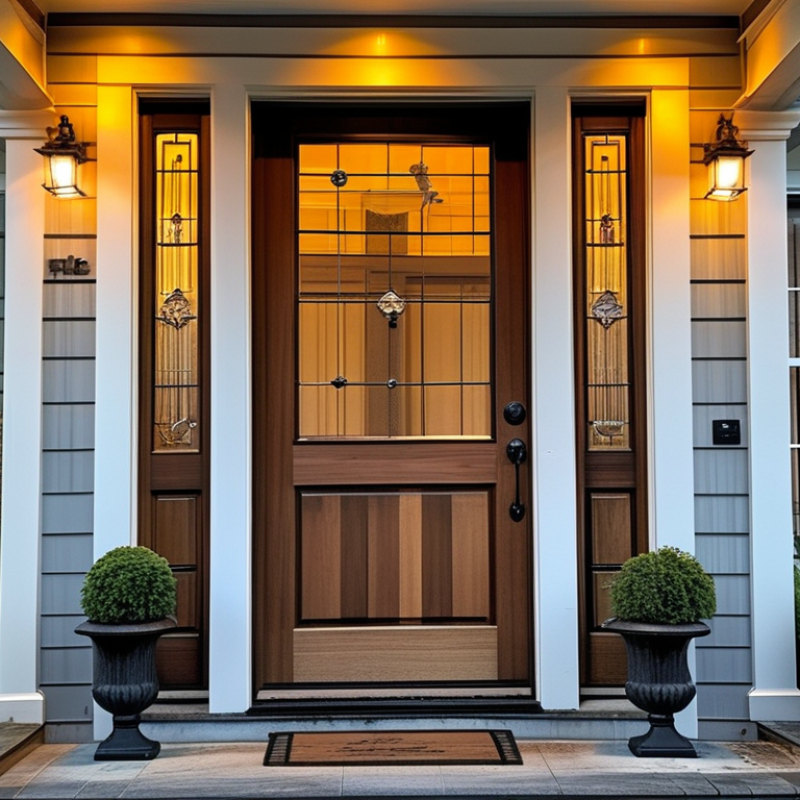
Understanding the Importance of Exterior Door Seals for Your Home
Exterior door seals play a crucial role in home efficiency. A well-sealed door can reduce energy loss by up to 30%, according to the U.S. Department of Energy. This means better insulation and lower heating or cooling costs. Doors that lack proper seals allow drafts, mold growth, and higher utility bills. In fact, homes can lose significant energy through gaps around doors. This highlights the importance of choosing the right seal for your needs.
Selecting the best exterior door seal can be tricky. Families often overlook the wear and tear these seals endure. The National Renewable Energy Laboratory suggests inspecting seals annually. Look for cracks or warping. Regular maintenance can significantly improve energy efficiency. Consider materials like foam, rubber, or weather stripping, which offer varying durability and insulation properties.
Proper installation is key. Ensure the seal fits tightly against the door frame. An improperly fitted seal may lead to persistent drafts. This not only affects comfort but can increase heating costs. Checking for a snug fit can make a notable difference in your home’s comfort level. Incorporating this into your home maintenance routine could save you money and improve your living conditions.
How to Choose the Best Exterior Door Seal for Your Home?
| Seal Type |
Material |
Installation Type |
Weather Resistance |
Average Cost |
| Foam Seal |
Polyurethane |
Adhesive |
Low |
$10 - $20 |
| Vinyl Seal |
Vinyl |
Insert |
Medium |
$15 - $30 |
| Rubber Seal |
Natural Rubber |
Door Sweep |
High |
$20 - $40 |
| Magnetic Seal |
Magnet & Vinyl |
Magnetized |
Very High |
$25 - $50 |
Types of Exterior Door Seals: Selecting the Right Material
When selecting the right exterior door seal, the material plays a crucial role. Common options include foam, rubber, vinyl, and metal. Foam seals are cost-effective and easy to install. They provide decent insulation but may wear out quickly. Rubber seals offer durability and better resistance to weather. They can withstand extreme temperatures but might be more challenging to install. Vinyl seals are lightweight and flexible, making them easy to cut and fit. Metal seals are strong but usually found in commercial settings.
Choosing the best seal depends on your specific needs. Evaluate factors like climate and door usage. If your area faces harsh weather, a rubber or metal seal may be wiser. For milder climates, foam or vinyl could suffice without quick degradation. Think about the longevity of your choice versus initial cost. Sometimes, spending a bit more can save you money in the long run.
Consider the installation process too. If you're not handy, pick materials that come with easy instructions. A poorly installed seal can lead to air leaks and energy loss. Look for reviews or guides online to help with the installation. Always cross-check your choices with trusted sources to ensure reliability. Your exterior door seal is vital in protecting your home from elements and improving energy efficiency.
Measuring Your Door for the Perfect Seal Fit
Measuring your door accurately is crucial in finding the best exterior door seal. Begin by using a tape measure to determine the width of your door. Measure from the inside edge of the door frame to the opposite edge. Make sure to measure at three different points: the top, middle, and bottom. This prevents surprises during installation.
Next, check the height of your door. Measure from the top of the frame to the bottom, ensuring you capture any unevenness. Doors can settle over time, leading to slight changes. Note these measurements carefully, as they will guide you in selecting a seal that fits snugly.
Consider the door's condition too. Visible gaps or warping can affect the seal's effectiveness. A perfect fit might not always solve the issue if the door itself is compromised. Evaluate if repairs are needed before sealing. This attention to detail will enhance energy efficiency and create a more comfortable home environment.
Installation Tips for Effective Exterior Door Sealing
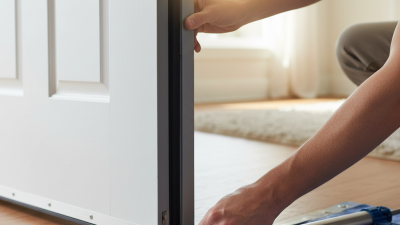
When it comes to sealing exterior doors, proper installation is key to maximizing efficiency. Start by choosing strips that fit the dimensions of your door frame. Measure the sides and top carefully. A snug fit is crucial; gaps can allow drafts to enter your home. A common mistake is cutting the seal too short, which leaves room for air leaks.
Next, clean the door frame thoroughly before applying the seal. Dust and grime can prevent the adhesive from sticking well. Use a damp cloth to wipe the surface, and let it dry completely. Installing the seal can be tricky. Align it carefully and press firmly as you go. If you notice any bubbles, gently lift and reapply. Imperfections here can compromise your efforts.
Checking the effectiveness of your installation is essential. After sealing, close the door and inspect for drafts. If you still feel air seeping through, consider adjusting the placement of the seal. Regular maintenance is also important. Over time, seals can wear down or lose their grip. Reassessing the condition ensures your home remains comfortable. This attention to detail makes a significant difference in energy efficiency.
Maintenance and Replacement of Door Seals for Longevity
Maintaining and replacing door seals is crucial for energy efficiency. According to the Department of Energy, proper sealing can reduce heating and cooling costs by 10-20%. Regular maintenance can identify wear and tear early, preventing larger problems. Check seals for cracks or gaps every season. If you notice air leaks, it may be time for replacement.
When replacing door seals, consider the material. Weatherstripping made from foam, rubber, or vinyl can offer long-lasting protection. A recent study found that high-quality seals can last up to 10 years with proper care. However, improper installation can diminish their effectiveness. Precision is key. Align seals correctly to ensure a snug fit. This not only enhances longevity but also improves energy savings.
Pay attention to the wear patterns over time. If you frequently adjust the seals, reflect on your installation approach. It’s important to strike a balance between flexibility and durability. Using a seal too thick may hinder door operation, while a thin one may not provide adequate insulation. Keeping these factors in mind can lead to improved performance and longevity of your door seals.