How to Choose the Right Window Components for Your Home Upgrade
Upgrading the windows in your home is a significant investment that can enhance
energy efficiency, aesthetic appeal, and overall property value.
According to the latest reports from the National Fenestration Rating Council (NFRC), well-chosen window
components can reduce annual heating and cooling costs by up to 30%.
This underscores the importance of not only selecting the right windows but also the crucial components that play a vital role
in insulation and efficiency.
Renowned window components expert, Dr. Emily Carter, emphasizes this point by stating,
"The performance of your windows is highly reliant on the quality of the components used;
investing in superior materials can lead to long-term savings and comfort."
Therefore, when considering any home upgrade, it’s essential to delve beyond mere aesthetics and focus on the
technical specifications of window components that will ultimately
contribute to the longevity and performance of your investment. By understanding the various options available, homeowners can
make informed decisions that align with their specific needs and
environmental considerations.
Identifying Your Home's Style and Window Requirements
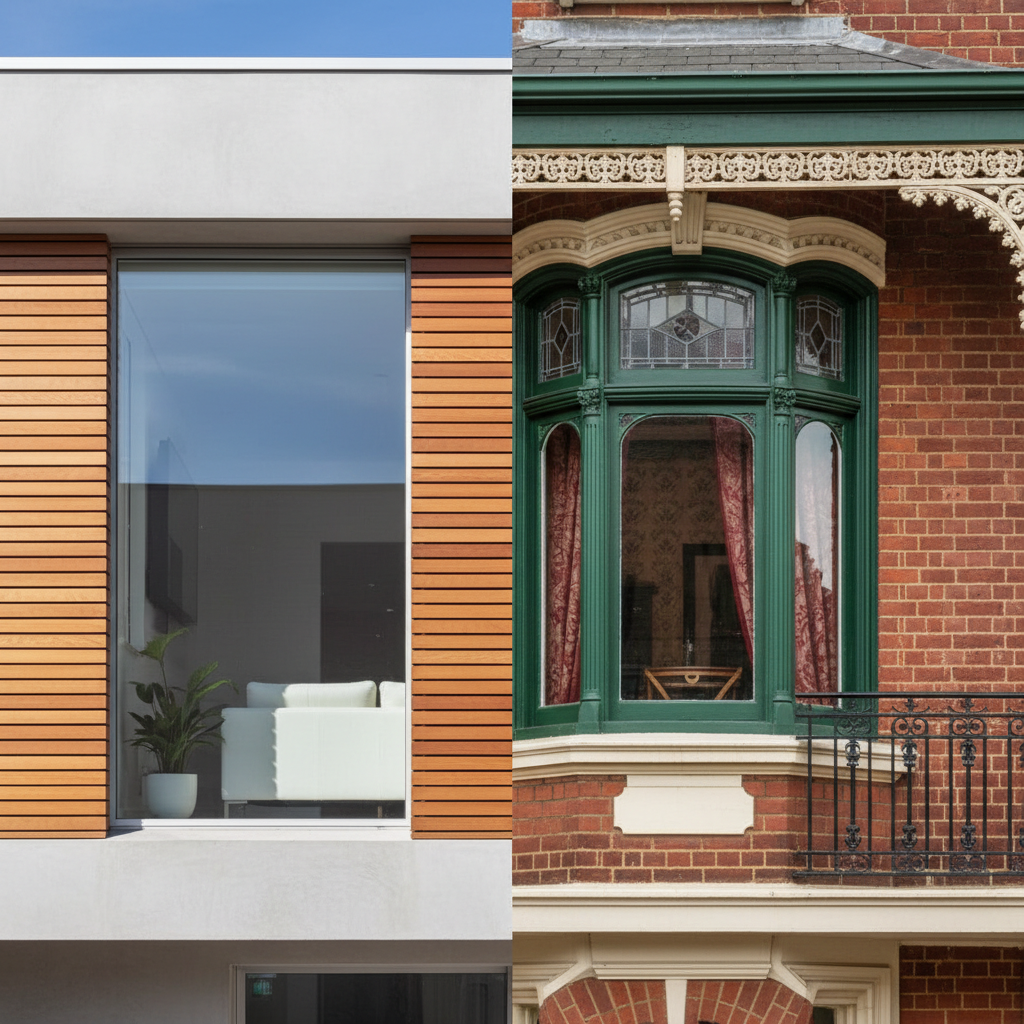
When embarking on a home upgrade, understanding your home's style is crucial in selecting the right window components. Different architectural designs, ranging from contemporary to traditional, have varying requirements that influence window selection. For instance, a modern home with clean lines might benefit from sleek, frameless windows that enhance natural light, while a classic Victorian might necessitate ornately designed sash windows to maintain its historic charm.
Additionally, considering the specific functionality of windows is vital. Assess the room's purpose and environmental factors when choosing window types. For example, bedrooms might require double-hung windows for ventilation without compromising safety, while a living area facing a beautiful view could be enhanced with large picture windows. By aligning your window choices with both the aesthetic and functional needs of your home, you can ensure a seamless integration into your overall upgrade strategy.
Understanding Different Types of Window Components Available
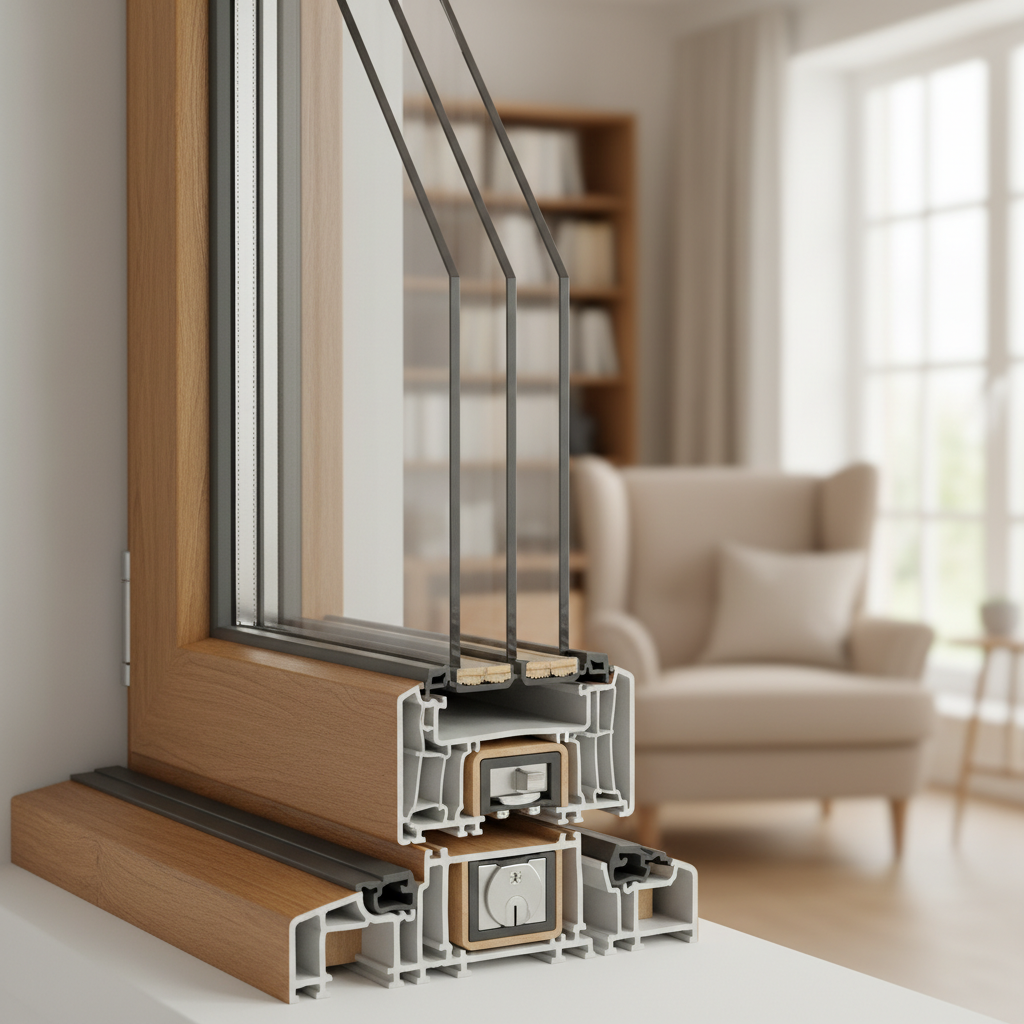
When upgrading your home windows, understanding the different types of window components is crucial for making informed decisions. Windows are composed of several key elements, including frames, sashes, glazing, and seals. According to the National Fenestration Rating Council, energy-efficient window components can significantly reduce heating and cooling costs—up to 25% for homes in climates with extreme temperatures. Each component contributes to the overall performance, durability, and aesthetic of the window.
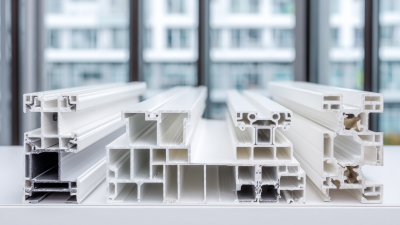
The choice of frame material is fundamental; wood, vinyl, and fiberglass are some of the most common options. Wood frames offer superior insulation and charm but require more maintenance. Vinyl, on the other hand, is low-maintenance and provides great thermal performance, while fiberglass frames boast exceptional durability and energy efficiency, often with a lifespan exceeding 40 years. Moreover, the type of glazing, whether single, double, or triple-pane, impacts energy efficiency, with double-pane windows providing a substantial reduction in heat loss, as highlighted by the U.S. Department of Energy’s analysis of window performance. Understanding these components will empower homeowners to select the best options for their specific needs and environment.
Assessing Energy Efficiency Ratings for Window Options
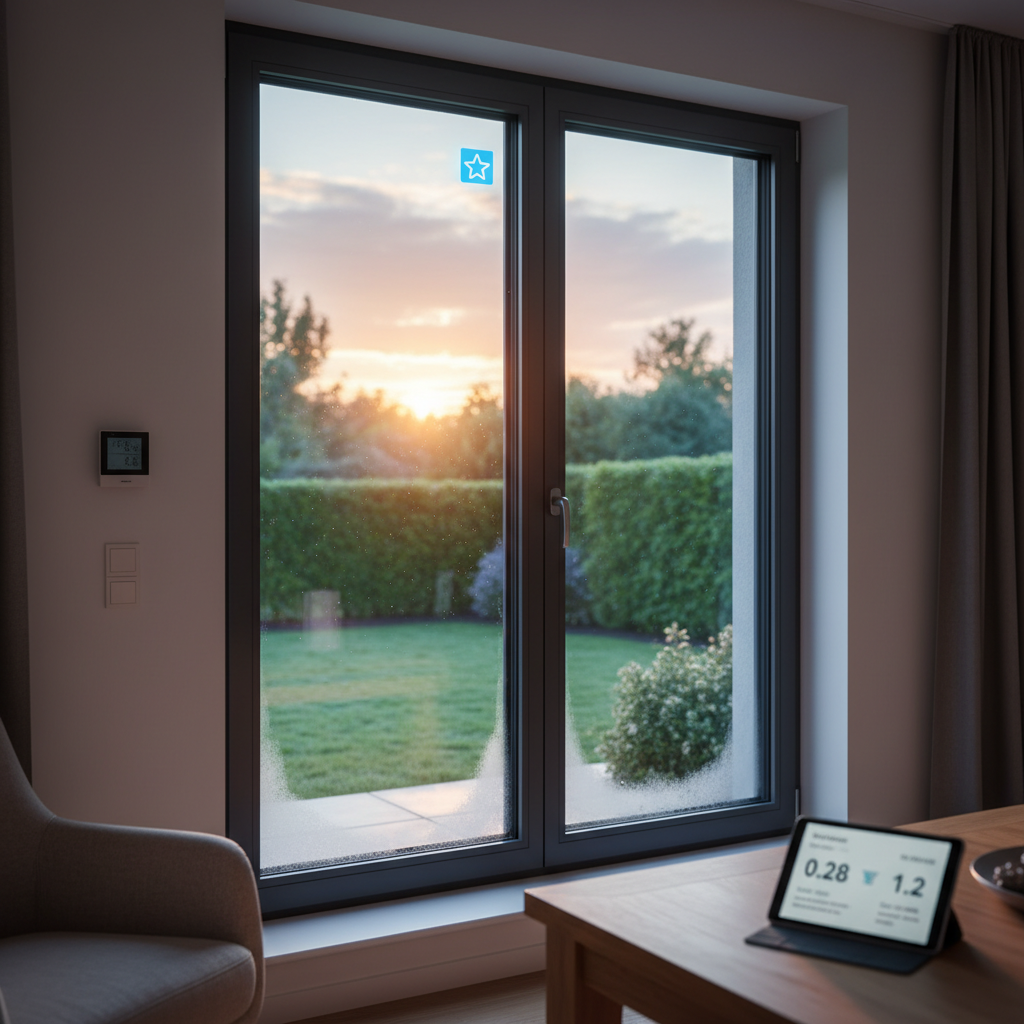
When it comes to upgrading your home, selecting the right window components is crucial, especially in terms of energy efficiency. Energy efficiency ratings, typically represented by the Energy Star label, provide a benchmark for how well a window can insulate your home. According to the Department of Energy, choosing windows with a lower U-factor can significantly reduce energy costs, as they demonstrate better insulation capabilities. For instance, double-glazed windows typically have U-factors ranging from 0.25 to 0.30, compared to single-pane windows which can exceed 1.0, leading to considerable heat loss.
**Tips:** When comparing window options, consider the Solar Heat Gain Coefficient (SHGC) in addition to the U-factor. A lower SHGC indicates that a window is more effective at blocking heat from sunlight, making it ideal for hotter climates. Additionally, check for the National Fenestration Rating Council (NFRC) labels on products; they provide comprehensive and unbiased performance ratings that can help you make informed decisions.
Furthermore, advancements in window technology have led to products with a higher energy efficiency rating than ever before. For instance, low-emissivity (low-E) glass can reflect heat back into your home during winter while keeping it cool in the summer. The latest reports suggest that windows equipped with low-E coatings can improve energy efficiency by up to 30%. By carefully assessing these ratings and features, homeowners can greatly enhance their comfort while minimizing their energy bills.
Exploring Aesthetic and Functional Features of Window Components
Choosing the right window components for your home upgrade involves understanding both aesthetic and functional features. The visual appeal of windows can significantly affect your home's curb appeal and interior aesthetics. Consider the style of your home—modern, traditional, or eclectic—when selecting frame materials, colors, and grid patterns. For example, sleek vinyl or aluminum frames might be ideal for contemporary homes, while wood frames can add warmth and character to traditional settings.
Tips: When selecting window components, aim for a color palette that complements your home’s exterior. Utilize samples to visualize how different materials and colors interact with your existing façade. Don't forget about decorative elements such as window grilles or trim that can enhance the overall look.
On the functional side, consider energy efficiency, durability, and maintenance. High-quality windows can improve insulation, reducing energy bills and increasing comfort throughout the year. Look for features like double or triple glazing, Low-E coatings, and energy star ratings to ensure you make an informed choice.
Tips: When assessing functionality, prioritize windows that offer easy operation and security features. Always check warranties and maintenance requirements to avoid future hassles while keeping your windows looking fresh.
Budgeting for Your Window Upgrade: Costs and Considerations
When planning a window upgrade, budgeting is a crucial first step. According to the American Window and Door Association, homeowners typically invest between $300 to $1,000 per window, depending on the material and design. Vinyl windows are usually the most affordable option, starting around $300, while custom-made wood or fiberglass windows can easily exceed $1,000 each. It's important to have a clear financial plan that not only considers the cost of the windows but also installation, which can add an additional 10-20% to the total expense.
Additionally, homeowners should factor in long-term savings associated with energy-efficient windows. The U.S. Department of Energy indicates that energy-efficient window upgrades can reduce heating and cooling costs by 7-15%. This means that, while the initial upfront costs may seem high, the investment can pay off over time through lowered utility bills. Moreover, certain energy-efficient windows qualify for federal tax credits, further subsidizing the cost. Balancing quality, performance, and aesthetic appeal while adhering to a budget can lead to a successful window upgrade that enhances the home's value and comfort.
How to Choose the Right Window Components for Your Home Upgrade - Budgeting for Your Window Upgrade: Costs and Considerations
| Window Component |
Estimated Cost |
Energy Efficiency Rating |
Lifespan |
Maintenance Level |
| Double-Hung Windows |
$300 - $700 |
Time Tested |
15 - 30 years |
Medium |
| Casement Windows |
$400 - $800 |
Excellent |
20 - 30 years |
Low |
| Sliding Windows |
$300 - $600 |
Good |
10 - 20 years |
Medium |
| Picture Windows |
$400 - $900 |
Very Good |
20 - 40 years |
Very Low |
| Awning Windows |
$350 - $750 |
Excellent |
15 - 25 years |
Low |