How to Choose the Best Light Pole for Your Project?
Choosing the right light pole for your project can significantly impact its success. Light poles come in various designs, materials, and heights. Each aspect plays a crucial role in functionality and aesthetics. For instance, the height of a light pole affects the spread of light, influencing visibility in any area.
Moreover, you must consider the pole's material. Aluminum, steel, and fiberglass all offer unique benefits. Aluminum is lightweight, while steel provides strength and durability. However, fiberglass is resistant to corrosion, making it suitable for harsh environments. Ensuring the right balance between durability and cost is essential.
Don't overlook the design. A light pole should complement its surroundings. Sometimes, the best choice is not the most attractive one. Striking a balance between utility and aesthetics can be challenging. Reflect on the specific needs of your environment and project goals. Each decision requires careful evaluation to ensure longevity and effectiveness in your lighting solution.
Understanding the Different Types of Light Poles Available
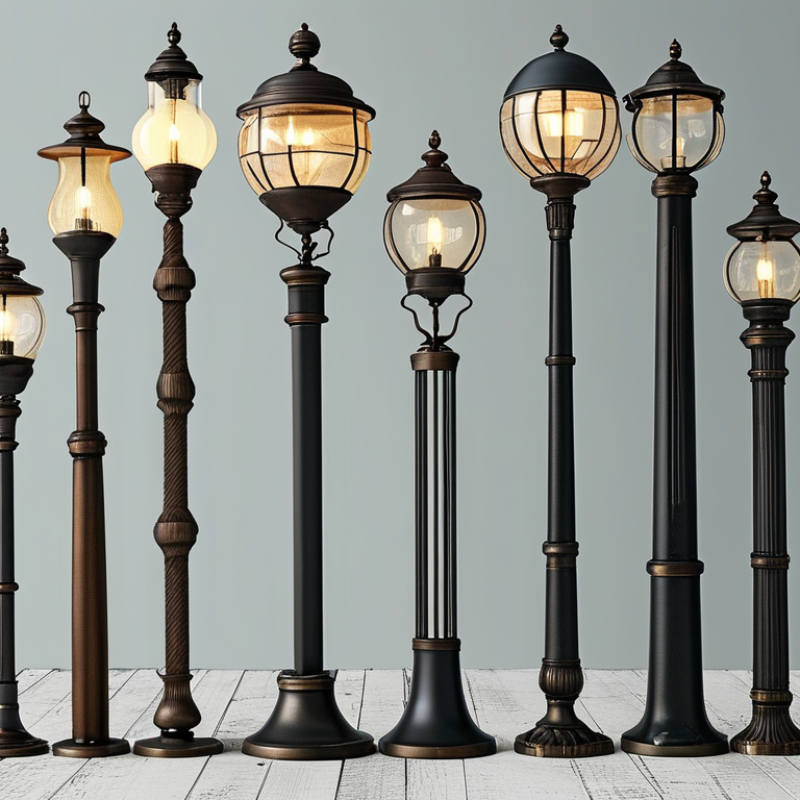
Choosing the right light pole for your project involves understanding various types available. Common types include decorative, utility, and floodlight poles. Each one serves a different purpose and environment. For instance, decorative poles are often used in parks and urban areas to enhance aesthetics. Utility poles are typically taller and more robust, suited for streets and highways.
According to a report by the Illuminating Engineering Society, the demand for LED light poles has surged by 30% over the last five years. This growth reflects the push for energy efficiency and longer lifespan solutions. LED technology offers better visibility and reduced maintenance costs, which attracts many municipalities and businesses. However, selecting the right pole height and design to meet specific lighting needs can be challenging.
Weather conditions and local regulations also play a crucial role in this decision. In regions prone to high winds, engineers must consider the pole's structural integrity. Some poles may not withstand harsh conditions, leading to frequent replacements. Choosing a durable material like galvanized steel or aluminum can mitigate these issues. However, it often comes with a higher initial cost, requiring a careful cost-benefit analysis. Balancing aesthetics, functionality, and longevity is not straightforward.
Evaluating the Necessary Height and Design Specifications
When selecting a light pole, height and design play critical roles. The required height depends on the area being lit. For streets, poles often need to reach 15 to 20 feet. In parks, a lower height of around 10 to 15 feet may suffice. This ensures adequate illumination without creating glare or light pollution. Consideration should also be given to the spacing between poles, which affects overall lighting efficacy.
Design specifications are equally important. The material chosen can impact durability and maintenance. Steel and aluminum are popular for their strength. Yet, aesthetics matter. A well-designed pole enhances the area’s visuals. Think about how the design fits the environment. Will it blend in or stand out? Balancing practicality with beauty is crucial.
It’s also wise to reflect on your specific needs. Are you illuminating a busy intersection or a quiet pathway? Each setting demands different design choices. Mistakes can lead to inadequate lighting or excessive glare. Revisiting your choices is crucial to optimize both function and design.
Light Pole Height and Design Specifications
This chart illustrates the recommended height and design specifications for light poles based on different application areas.
Considering Material Choices for Durability and Aesthetics
When selecting a light pole for your project, the choice of material is critical. Common options include aluminum, steel, and fiberglass. Each material offers distinct durability and aesthetic benefits. For instance, aluminum is lightweight and resistant to corrosion, making it ideal for coastal areas. A report from the National Lighting Bureau indicates that aluminum poles can last over 30 years with proper maintenance.
Steel light poles, on the other hand, provide substantial structural strength. They are often favored for urban areas where durability against vandalism is essential. However, steel requires a protective coating to prevent rusting. According to the American Galvanizers Association, galvanized steel can double the lifespan of poles in adverse weather conditions. This longevity is not just a cost-saving measure; it enhances safety and minimizes the need for frequent replacements.
Fiberglass provides a unique aesthetic appeal, often resembling wood but without the drawbacks. It is lightweight, easy to install, and resistant to impacts and weather. Yet, some argue that fiberglass lacks the robust appeal that steel or aluminum delivers in terms of public perception. Balancing durability with aesthetics is crucial. Consider the environment and purpose of your project. Ensuring the right material choice can lead to better performance and a more pleasing design.
Assessing Lighting Requirements and Energy Efficiency Options
When selecting a light pole, evaluating your lighting requirements is key. Consider how bright you want the area to be. Different projects need different illumination levels. A park may require softer light, while a warehouse needs brighter illumination. Also, think about how the lights will be used. Will they be on all night, or only during certain hours?
Energy efficiency is another critical factor. LED lights are popular due to their low energy consumption and long lifespan. However, they come with a higher initial cost. It's essential to compare the long-term savings against the upfront investment. Reflect on the total cost of ownership, including maintenance and energy bills, to make a more informed choice. Balancing quality and cost-effectiveness is often a challenge. Different light poles can impact this decision significantly.
Don't forget about environmental factors. The location may influence the choice of materials and pole height. For instance, coastal areas may require corrosion-resistant materials. Always take into account the surrounding landscape, as it can affect light distribution. Making the right choice involves much contemplation and careful analysis. This approach ensures a well-lit, efficient, and aesthetically pleasing environment for your project.
How to Choose the Best Light Pole for Your Project?
| Dimension | Requirement | Energy Efficiency Option | Recommended Height (ft) | Light Source |
| Urban Area | High brightness | LED | 15-20 | LED Floodlight |
| Pathway | Soft illumination | CFL | 8-12 | Post Top Fixture |
| Parking Lot | Medium brightness | LED | 20-30 | LED Shoebox |
| Stadium | High intensity | LED | 30-50 | LED High Mast |
| Residential Area | Low brightness | CFL | 10-15 | Wall Pack |
Factors to Include in Cost-Benefit Analysis for Light Poles
When considering light poles for a project, a thorough cost-benefit analysis is crucial. Begin by evaluating installation costs. These include not just the price of the poles but also labor and equipment. An intricate installation may demand more resources, leading to higher expenses.
Next, consider the long-term maintenance costs. Some poles may seem affordable upfront, but they may require frequent repairs. Durability plays a critical role here. Selecting materials resistant to corrosion or weathering can save money over time. Think about bulb types as well; LED lights have a higher initial cost but often need replacement less frequently than traditional bulbs.
Lastly, look at the energy efficiency of the lights. A pole that uses less energy lowers operational costs. This aspect often gets overlooked. Tracking energy consumption can provide substantial savings. Understanding these factors forms a complete picture, ensuring your choice aligns with project goals and financial constraints. If uncertain, consult with experts to gather different perspectives.