How to Choose the Best Security Doors and Windows
Choosing security doors and windows is not simply a matter of buying the thickest frame or the most expensive lock. The right choice depends on your home’s layout, climate, everyday use, and likely points of entry. A sturdy door can still underperform if its frame is weak or its installation leaves gaps. Small details matter.
Security technologist Bruce Schneier wrote, “Security is a process, not a product.” His observation applies here: a door or window works best as part of a considered home-security plan, not as a standalone promise. No product makes a home completely secure. That is worth remembering when marketing claims sound absolute.
This guide explains how to compare materials, frame strength, glazing, locks, and installation quality. It also considers practical questions: Will the door withstand frequent use? Can the window be opened safely for ventilation? Do the fittings suit the building and local conditions? Look for clear product specifications, recognized testing information, and qualified installation advice. Where possible, inspect hinges, locking points, seals, and frame connections in person. A smooth showroom sample may not reveal how a unit performs after years of weather and daily use.
There is no single best option for every property. A detail that seems minor—such as a poorly fitted frame—can undermine an otherwise strong choice. Think carefully, compare evidence, and leave room to reassess.
Assessing Security Risks and Protection Needs
Assess the risks around the opening, not just the door itself. Walk the approach after dark: note hidden corners, weak porch lighting, and windows screened by shrubs. Check which ground-floor windows are easy to reach, including those beside a drainpipe or low roof. A lock is only one part of the picture.
The FBI’s 2019 Crime in the United States report recorded 1,117,696 burglaries; 62.8% occurred at residences. These figures describe reported incidents, not your home’s individual risk, and they cannot predict which entry point is most exposed. Still, they support a practical question: which accessible openings would be easiest to force or overlook? Small details matter.
Match protection to the weak points. A door facing a public walkway may benefit from a reinforced frame, secure hinges, and a tested deadbolt. For reachable glazing, consider laminated glass or a tested security film, while checking that emergency exit remains possible. Look for independent testing against recognized standards, and ask an installer to assess the complete assembly, not just the lock or glass. Even a strong door can be the wrong answer if a nearby window stays vulnerable. I’d also revisit the assessment after renovations or changes to landscaping; risk shifts, and people sometimes miss that.
Comparing Door and Window Materials and Construction
Security depends on the whole assembly, not a material label. A steel-skinned door with a reinforced core can resist bending, but a weak frame may still split near the lock. Solid wood offers mass and repairability; its quality varies with construction and moisture exposure. Fiberglass resists corrosion, though its security depends on its core, edges, and hardware. Check how the frame is anchored, whether hinges have reinforced screws, and whether the strike plate is firmly fastened. Small details matter.
The FBI’s 2019 Uniform Crime Reporting data recorded forcible entry in about 56% of reported burglaries. That figure does not prove one door design prevents break-ins, but it supports evaluating the frame and lock together. For windows, laminated glass holds fragments to an interlayer when broken; tempered glass typically breaks into smaller pieces but is not equivalent. Look for tested assemblies and clearly stated performance standards, not glass type alone. The U.S. Department of Energy estimates that window heat gain and loss account for 25%–30% of residential heating and cooling energy use. Better glazing can help comfort, though security upgrades may add cost or weight. I would compare the full installation, not just the strongest-looking sample. It’s easy to miss the frame.
How to Choose Security Doors and Windows
Typical material density (g/cm³) offers a useful material comparison, but density alone does not measure burglary resistance.
Approximate values: steel 7.85, aluminum 2.70, glass 2.50, uPVC 1.40, and timber 0.60 g/cm³. Actual density varies by alloy, formulation, and timber species. A denser material is not automatically more secure: assess the complete tested assembly, including frame reinforcement, locks, glazing, and installation. For glazing, look for suitable laminated glass; for doors and windows, compare independently tested resistance ratings.
Evaluating Locks, Glazing, and Security Ratings
How to Choose the Best Security Doors and Windows
A strong lock is only as effective as its frame and installation. The FBI’s Crime in the United States 2019 reported that roughly 57% of recorded burglaries involved forcible entry. For doors, compare independently tested lock grades, then check how the strike plate is fastened. Long screws anchored into the structural frame can make a practical difference. A high-rated lock on a weak, loose frame is a mismatch.
Glazing needs the same careful reading. Laminated glass can remain bonded after impact, making a quick opening harder, but it is not unbreakable. ASTM F1233 evaluates security glazing under specified attack conditions; check the test level and whether it covers the complete assembly. Glass, frame, and attachment all matter. Ratings are easy to misread, and a label alone cannot predict every real-world attempt.
Tips: Ask for test reports, not just sales claims. Check that the door, frame, hinges, lock, and anchors match the tested configuration. For windows, confirm that locks engage the frame securely. Details matter. Installation quality can still disappoint.
Choosing Suitable Designs for Each Entry Point
How to Choose the Best Security Doors and Windows
Choosing Suitable Designs for Each Entry Point
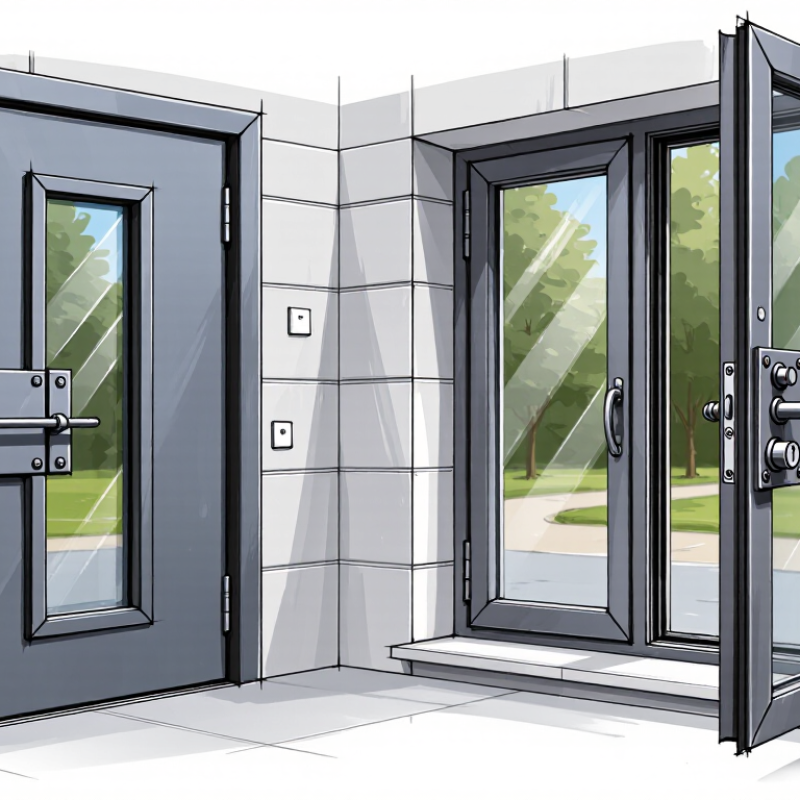
Each entry point needs a different security approach. For the main entrance, assess the door, frame, hinges, and lock as one assembly. A strong slab can still fail if its frame pulls loose. For a ground-floor window, consider laminated security glazing and a tested frame, especially beside a secluded path. ASTM F1233 provides methods for evaluating security glazing; ask for test details matching the installed product. Not the glass alone. Sliding patio doors need attention to their tracks and resistance to being lifted, while basement windows may benefit from fixed designs where ventilation is not needed.
The FBI’s Crime in the United States 2019 report recorded 1,117,696 burglary offenses nationwide. That figure does not identify which entry point was used, so it cannot replace a property-specific assessment. Walk around your home at dusk: note hidden side doors, poorly lit gates, and windows screened by shrubs. A neat-looking grille is not automatically a strong one. I’d also check that any added hardware works smoothly; security features that people routinely leave disengaged are less useful.
Tips: Match each product to its opening, then verify its frame, hardware, and test documentation together. For glazed doors and windows, ask whether the complete unit—not just the glass—was tested. Keep sightlines clear near vulnerable openings, and have a qualified installer confirm that anchors suit the wall material. Small details matter.
Checking Installation Quality and Ongoing Maintenance
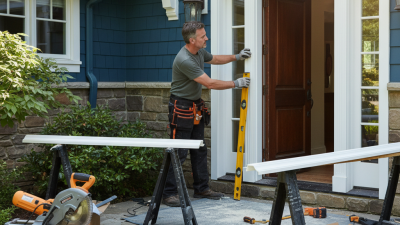
A security door or window is only as dependable as its installation. Check that frames sit square, with even gaps and no visible movement when gently pushed. Ask the installer how the frame is anchored into the surrounding structure, not just the trim. The lock should engage smoothly without forcing the handle. Small gaps matter. Look closely at corners, hinges, and the meeting point between the door and frame.
Before signing off, open and close each unit several times. Test the locks from both sides where appropriate, and check that keys turn without sticking. A neat finish can hide loose fixings, so ask for the installation details and care instructions in writing. I might overlook a slightly uneven seal on a quick walk-through; checking with a thin strip of paper can reveal spots where it does not press firmly.
Maintenance is simple, but easy to postpone. Every few months, clear grit from tracks and drainage openings, wipe frames with a soft cloth, and inspect seals for cracks or flattening. Listen for new rattling in wind. Tighten accessible hardware only as the instructions allow, and avoid oils that can attract dust or damage finishes. Keep a record. Note changes in locking resistance, corrosion, or condensation, and arrange a qualified inspection if the frame shifts or the lock no longer aligns. A small problem may be easy to miss. Don’t wait for it to worsen.