How to Choose the Best Water Leak Detector
A slow drip beneath a sink can stain cabinets, warp flooring, and stay hidden until damage becomes obvious. A Water Leak Detector can provide an earlier warning, but choosing one involves more than comparing prices or app ratings. Models differ in sensor design, alert methods, power source, and coverage. Some detect water at a single point; others use a cable to monitor a longer area. Placement matters.
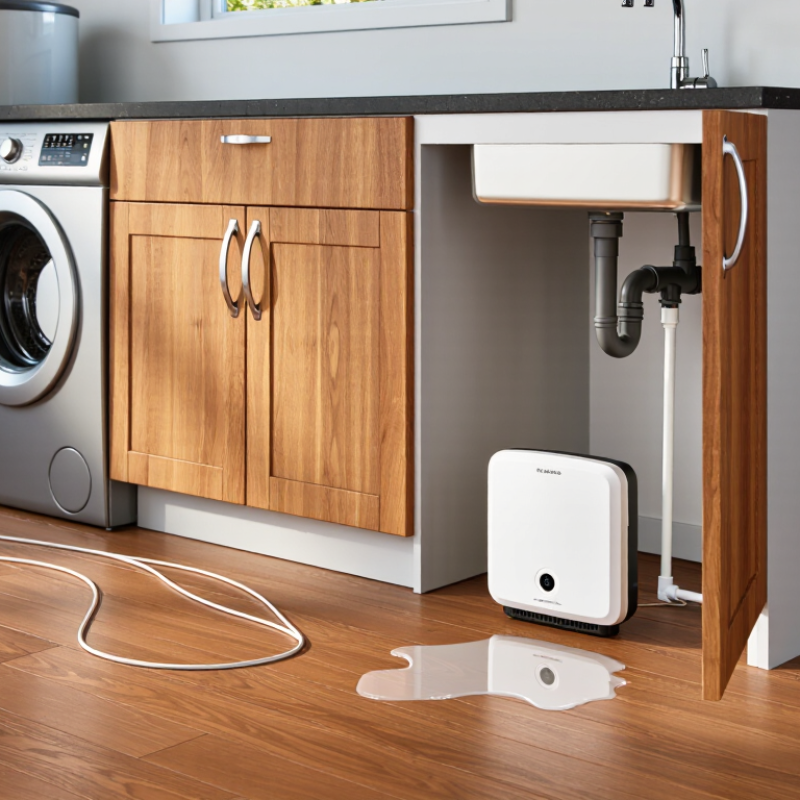
Start with likely leak locations: under sinks, near water heaters, beside washing machines, and in basement low spots. A compact sensor may suit one appliance, while a sensing cable can cover a broader floor area. If you need alerts when away from home, check whether the device relies on Wi-Fi, a hub, or a local alarm. Also consider battery access, replacement costs, and whether the alarm is loud enough to hear from another room. More features are not automatically better; they can add setup and maintenance.
Read the manufacturer’s instructions before installation, especially for placement and connectivity limits. Test the sensor periodically, and confirm that notifications reach the intended phone or household member. No device is foolproof. A detector may miss water outside its sensing area, and an internet-dependent alert may fail during an outage. The best choice is one that fits the home’s vulnerable spots, is simple to maintain, and will actually be used. It is easy to overlook that last point.
How Water Leak Detectors Sense and Report Leaks
A water leak detector does not “see” water; it responds to a physical change. Contact sensors use two metal probes. When water bridges them, electrical resistance changes and the unit sounds an alarm. A rope-style sensor extends this detection along a floor or around a water heater. Place it where water would collect, not merely where the pipe is easiest to reach. A sensor tucked behind stored boxes may be technically installed but practically useless.
Other detectors monitor flow through a pipe. They compare normal use with unusual patterns, such as water moving for hours when nobody is home. Some send phone alerts; models with a shutoff valve can also stop the supply. Alerts depend on power, connectivity, and correct setup. Keep that in mind. A quiet alarm in a basement may be missed, and a weak Wi-Fi signal can delay a notification.
The Insurance Information Institute reports that water damage and freezing made up 22.6 percent of homeowners’ insurance losses from 2019 to 2023, with an average claim of $13,954. That figure is not a promise of what any leak will cost, but it shows why detection time matters. Test sensors with a few drops of water, check batteries, and confirm alerts reach your phone. No detector covers every failure point; the best placement still takes a little thought.
Assess Your Property’s Leak Risks and Monitoring Needs
How to Choose the Best Water Leak Detector
Assess Your Property’s Leak Risks and Monitoring Needs
Start by mapping where water could escape: under sinks, beside the washing machine, near the water heater, and in basement corners. Check pipes that run behind cabinets or through unheated spaces. Look for stains, musty odors, and loose supply-line connections. Small gaps matter. A sensor only helps when it sits where water will reach it.
The Insurance Information Institute reports that water damage and freezing made up 22.6% of homeowners insurance claims from 2018 to 2022, with an average claim of $12,514. The EPA’s WaterSense program estimates household leaks waste nearly one trillion gallons of water annually in the United States. These figures make placement and timely alerts practical priorities, not just technical extras. A detector with remote notifications may suit a frequently empty home; a simple audible alarm may be enough for a regularly occupied apartment.
Match the device to the likely leak: point sensors work beneath appliances, while sensing cables can cover longer areas. Check battery life, alert options, and whether the signal reaches rooms with weak Wi-Fi. If you want water shut off automatically, confirm the system works with your plumbing and installation needs. A sensor can be misplaced, and that is an easy mistake to make. Test it. Recheck placement after moving appliances or storing boxes nearby.
Compare Sensor Types, Coverage, and Alert Features
Point sensors detect water at specific spots, such as beneath a sink or beside a washing machine. They are inexpensive, but each protects only a small area. Cable sensors cover longer paths along basement walls or around a water heater. Whole-home systems can monitor flow and may shut off the supply when they detect a leak.
The U.S. EPA estimates household leaks waste nearly 10,000 gallons of water yearly. Small leaks matter.
Coverage depends on placement, not just sensor count. Sketch likely leak points: under pipes, near floor drains, and behind appliances. Check whether the device sends alerts through an app, text, or audible alarm. Wi-Fi alerts can reach you when you are away, but they depend on power and internet access. A loud local alarm helps when a phone is out of reach. No setup is foolproof; a sensor can miss water that never reaches its probe.
Tips: Test sensors monthly with a damp cloth, and check battery status before travel. Keep probes clear of dust. A forgotten sensor can be almost as useless as no sensor at all.
Evaluate Power, Connectivity, Installation, and Compatibility
Choose a detector around the home’s actual risk points: under the kitchen sink, beside the washing machine, and near the water heater. The Insurance Information Institute’s 2018–2022 homeowners’ claims data puts the average water-damage or freezing claim at about $14,000. That figure is a U.S. average, not a prediction for every home, but it shows why a small sensor’s placement matters. A battery-powered unit can keep working during an outage; check battery life and whether low-battery alerts reach your phone. Mains-powered models avoid routine battery changes, but need a nearby outlet. Neither choice is flawless.
Connectivity determines whether an alert arrives when you are away. Wi-Fi models may depend on a stable signal in basements or utility closets; test reception where the sensor will sit. Some systems use a separate hub, adding another device and setup step. Check whether alerts work without a paid service, and whether the detector can trigger a shutoff valve. Installation should be simple enough that sensors remain accessible for testing, not tucked behind stored boxes. Compatibility matters: verify the required phone operating system, hub, valve, and smart-home platform before buying. A detector that cannot connect to your setup is just a damp little alarm. It happens. I would still test it after installation and occasionally afterward; people forget, and sensors can shift.
Select a Detector and Plan for Testing and Maintenance
Choose a water leak detector for the place and failure you need to catch. A battery-powered unit can suit a sink cabinet, while a whole-home system may offer remote alerts and automatic shutoff. Check that its sensors reach low points where water would collect, not just an easy-to-see shelf. The Insurance Information Institute reports that water damage and freezing accounted for 22.6% of homeowners insurance claims from 2018 to 2022, with an average claim of $12,514. That makes sensor placement more than a technical detail.
Plan a simple test routine before installation. Put a monthly reminder on your calendar, then use the device’s test button and confirm that its alarm or phone alert arrives. For a separate floor probe, follow its instructions; a lightly damp cloth can help check contact without soaking electronics. Test the shutoff valve too, if your system includes one. A detector that beeps but cannot send an alert where you sleep may leave a real gap.
Small detail. Check batteries and wireless connections during each test, and replace parts on the schedule specified by the manufacturer. Keep a short log with test dates and any weak alerts. It is easy to assume a sensor is working because it looks clean; that assumption is not a test. I would also recheck placement after moving stored items or cleaning, since a box can quietly block the path water would take.