


NEWS at Quanex
See the latest news, posts and events from Quanex about our business, the industry, our people and more.
How to Choose Screen Door Hardware in 2026?
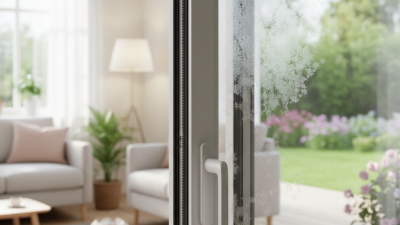
Choosing screen door hardware in 2026 requires more than matching a handle to your home’s exterior. Hardware affects security, airflow, daily comfort, and the door’s service life. A loose latch can rattle all night. A weak closer may let the door slam against the frame. Small details become noticeable quickly.
This guide examines screen door hardware through practical installation experience and reliable product criteria. It considers door material, opening direction, coastal exposure, pet use, and traffic frequency. Aluminum frames often need different fasteners than timber frames. High-humidity areas may benefit from corrosion-resistant finishes and stainless steel components. For busy entrances, adjustable closers and strong strike plates can reduce repeated impact. Measurements matter. Even a premium handle can perform poorly when the backset or screw length is wrong.
Manufacturer specifications should guide every final purchase. Independent reviews can reveal problems that product photos hide, such as stiff springs or fading finishes. Local installers may also identify frame weaknesses before drilling begins. Still, no checklist is perfect. A stylish pull handle might feel uncomfortable after hundreds of daily uses. A heavy closer may protect the frame but frustrate children and older adults. Think about real movement, not just appearance.
The sections ahead compare handle sets, latches, hinges, closers, locks, rollers, and replacement parts. They also explain how to check compatibility, weather resistance, installation quality, and long-term maintenance. You will find practical questions to ask before ordering. Measure twice. Test the swing. Choose hardware that remains dependable when the weather changes and everyday life becomes busy.
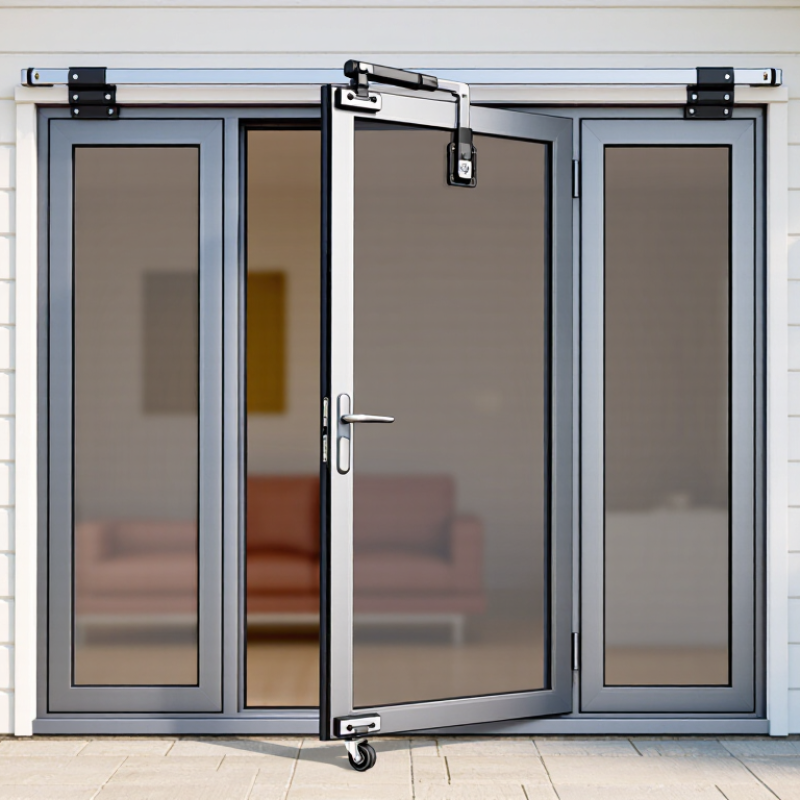
Assess Door Type, Swing, and Exposure Before Choosing Hardware
How to Choose Screen Door Hardware in 2026?
Assess the door type before buying hardware. A hinged screen door needs aligned hinges, a latch, and controlled closing. A sliding door needs rollers, guides, and an anti-lift device. Measure the frame, door thickness, and hinge spacing. Small errors can cause rubbing, gaps, or weak latching. In my installation work, swing direction is often overlooked. An outward-swinging door needs clearance from steps, walls, and strong wind. An inward swing may protect the closer, but it can reduce usable entry space.
Exposure changes the specification. The U.S. Department of Energy reports that windows account for about 25–30% of residential heating and cooling energy use. Screens do not create the same barrier, yet exposed hardware still affects air leakage, comfort, and durability. Coastal air, rain, and direct sunlight demand corrosion-resistant metal, sealed bearings, and UV-stable components. The American Architectural Manufacturers Association’s performance standards also emphasize operation, water resistance, and structural testing. Hardware should match the door assembly, not just its appearance.
Tips: Check the swing with the door fully open. Choose a closer with adjustable speed. Use stainless fasteners in damp or coastal locations. Test the latch after temperature changes. A heavier closer is not always better; it may twist a lightweight frame. I have made that mistake. Recheck the frame before drilling.
| Door Type | Typical Swing or Movement | Exposure and Operating Conditions | Recommended Hardware Set | Material and Finish Guidance | Installation Checks | Priority Level |
|---|---|---|---|---|---|---|
| Out-swing hinged screen door | Single-direction swing; hinges are normally mounted on the jamb and the door closes against the exterior stop. | Commonly exposed to rain, sunlight, wind, and temperature changes. |
|
Use corrosion-resistant metal suitable for exterior use. A coated or anodized finish helps reduce surface deterioration, but exposed fasteners still require compatible corrosion resistance. | Confirm hinge-side clearance, latch alignment, closer mounting points, and the direction of the door stop. The closer should pull the door fully shut without slamming. | High |
| In-swing hinged screen door | Swings into the protected side of the opening; hardware must not interfere with the primary entry door or interior trim. | Usually less exposed on the hinge side, but the exterior face can still receive moisture and sunlight. |
|
Select a finish that matches the existing entry hardware while prioritizing exterior corrosion resistance over appearance alone. | Check that the screen door does not block the main door, stairway, landing, or emergency egress path. Verify that the latch can be operated from the intended side. | High |
| Wood screen door | Usually hinged, with movement affected by seasonal wood expansion and contraction. | Wood absorbs moisture and can change dimensionally when humidity and temperature vary. |
|
Use fasteners long enough to engage solid wood, not only thin trim. Seal or paint all exposed wood edges before installing hardware. | Pre-drill holes to reduce splitting. Leave appropriate seasonal clearance and recheck latch alignment after the door has been exposed to weather. | High |
| Aluminum or metal-framed screen door | Commonly hinged; the frame is lighter than a solid wood door but may have limited screw-holding capacity. | Often used in exposed exterior openings; metal can heat up in direct sun and may experience finish oxidation if poorly protected. |
|
Use corrosion-resistant hardware and avoid fasteners that create galvanic corrosion with the frame. Separate dissimilar metals where required by the installation instructions. | Do not overtighten screws into thin sections. Confirm that the latch and strike do not distort the frame and that the closer is attached to reinforced areas. | High |
| Sliding screen door | Moves horizontally on top and bottom tracks rather than swinging on hinges. | Track debris, uneven settlement, and moisture can increase rolling resistance and cause misalignment. |
|
Choose rollers with materials suited to the track. Corrosion-resistant components are preferred in humid or coastal environments. | Measure the opening, track width, roller adjustment range, and latch location. Clean and level the track before changing the rollers. | High |
| Retractable screen door | The screen rolls into a cassette or folds into a side housing; it does not use conventional door hinges. | Screen tension, wind loading, and repeated daily cycling affect durability. |
|
Use UV-resistant screen and exterior-rated guide components when the unit is installed in direct sunlight. | Keep the cassette and tracks plumb and level. Avoid excessive force when closing; uneven installation can increase screen wear. | Medium |
| Double or French screen doors | Two hinged leaves meet at the center; one leaf may be fixed while the other is active. | Center meeting rails are vulnerable to wind movement, impact, and latch misalignment. |
|
Use corrosion-resistant bolts and strikes. Select hardware that maintains a narrow, consistent gap between the meeting leaves. | Install and adjust the inactive leaf first, then align the active leaf. Confirm that both leaves can be released without binding. | High |
| High-wind or coastal exposure | Movement may include repeated swinging, vibration, and pressure from gusts. | Salt spray, airborne moisture, intense UV exposure, and wind-driven rain accelerate corrosion and hardware fatigue. |
|
Prefer corrosion-resistant materials and finishes specifically approved for the environment. Rinse salt deposits periodically and inspect for pitting or seized moving parts. | Reinforce the jamb where necessary. Do not rely on a simple door stop to resist severe wind if the door can be caught by gusts. | Critical |
| Covered porch or low-exposure opening | Usually hinged or sliding, with less direct precipitation and solar exposure. | Hardware is partially protected, but humidity, condensation, and dust can still affect moving parts. |
|
A durable coated finish may be adequate when the hardware remains protected and is maintained according to the installation instructions. | Check that the door closes against the stop without rubbing. Lubricate only with a product compatible with the hardware and avoid contaminating the screen or weather seals. | Medium |
| Pet-access screen door | May include a hinged or flexible pet opening within the screen door. | Frequent impact, scratching, and concentrated loads can damage the screen or loosen the frame. |
|
Use impact-resistant components and corrosion-resistant fasteners. Match the pet opening size to the animal while limiting unnecessary air and insect entry. | Reinforce the surrounding screen panel and keep the pet-door frame square. Check that the main door latch remains secure after repeated use. | Medium |
| Security-focused screen or storm door | Typically hinged and heavier than a standard insect screen door. | Higher door mass and repeated use increase load on hinges, latch, closer, and jamb fasteners. |
|
Choose hardware rated for the actual door weight and exterior conditions. Avoid substituting light-duty screen-door hardware on a heavy security door. | Inspect the jamb and fastener locations before installation. Confirm that the closer does not prevent full latch engagement. | Critical |
| Any replacement or retrofit installation | Movement and hardware position must match the existing opening unless the jamb is modified. | Existing holes, worn tracks, settled framing, and deteriorated weather seals can affect performance. |
|
Do not select hardware by appearance alone. Verify dimensions, load rating, corrosion resistance, and compatibility with wood, aluminum, vinyl, or masonry substrates. | Measure before purchasing: door thickness, hinge spacing, backset, strike position, track dimensions, opening width, and available mounting depth. | Critical |
Related Posts
-

2026 Best New Window Screens for Homeowners to Consider?
-
Top 10 Interior Door Styles That Elevate Your Home Aesthetic
-
China Top Pocket Door Hardware Solutions for Global Buyers?
-
The Ultimate Guide to Choosing the Perfect Exterior Window Screens for Your Home
-

Top 10 Window Screen Hardware Suppliers in China for Global Buyers?
-
2025 How to Choose the Best Sliding Door Seal for Optimal Energy Efficiency