How to Choose Window Components for Your Next Project?
Choosing the right window components for your next project can be daunting. Expert James Smith emphasizes, "Quality window components can transform a home’s energy efficiency and aesthetic." His insights reflect the crucial role these components play in building design.
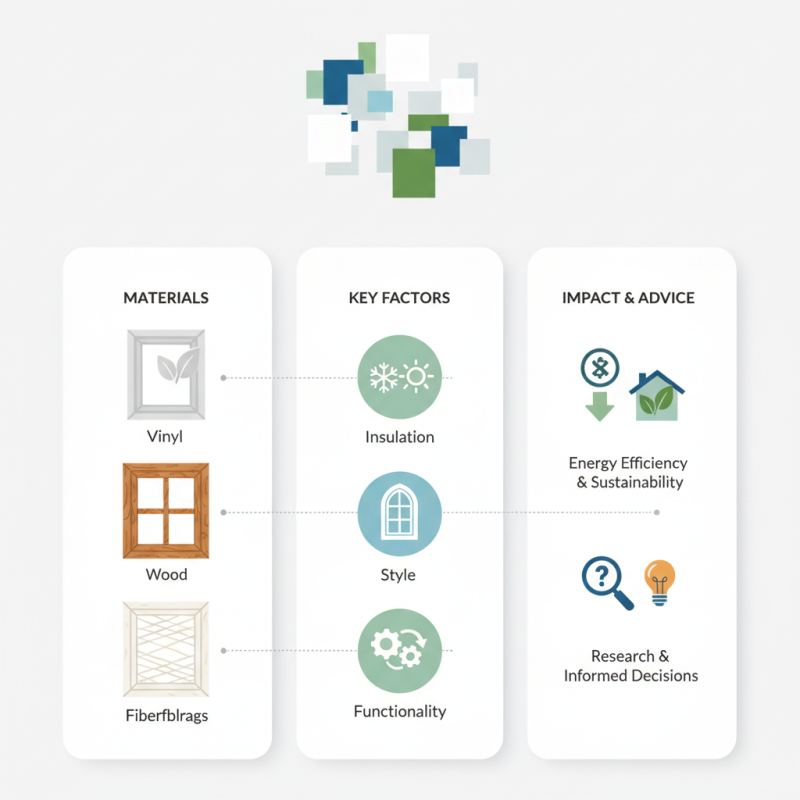
When selecting window components, consider materials like vinyl, wood, or fiberglass. Each material has unique benefits and challenges. For instance, vinyl is low-maintenance but may not offer the same classic look as wood. It’s essential to weigh the long-term impact of your choices, as windows significantly affect energy costs.
Pay attention to factors such as insulation, style, and functionality. A poor choice could lead to increased expenses down the road. Take your time to research and reflect on available options. The right window components not only enhance beauty but also support sustainability. Make informed decisions based on quality and performance to ensure success in your project.
Understanding Different Types of Window Components Available
When selecting window components for your project, understanding the variety of options is crucial. Windows consist of several key components: frames, sashes, glazing, and hardware. Each component affects durability, energy efficiency, and aesthetic appeal. According to the National Fenestration Rating Council (NFRC), energy-efficient windows can save homeowners up to 15% on heating and cooling costs annually.
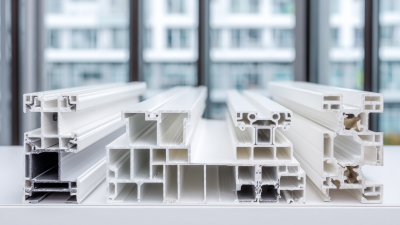
Frames are often made of materials such as vinyl, wood, or aluminum. Vinyl frames offer low maintenance and good insulation. Wood frames provide great aesthetics but require regular upkeep. Aluminum frames are durable but may lack energy efficiency. The choice of frame impacts long-term costs and performance.
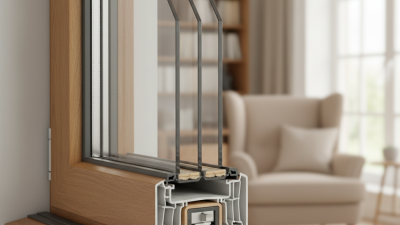
Glazing is another vital aspect. Single-pane glazing provides minimal insulation. In contrast, double and triple-pane options significantly improve thermal performance and sound insulation. A report from the Department of Energy states that upgrading to double-pane windows can reduce energy loss by 50% compared to single-pane options. Selecting the right glazing can lead to considerable savings over time. Being aware of these aspects will help ensure that your window components align with your project goals.
How to Choose Window Components for Your Next Project
| Component Type |
Material |
Energy Efficiency Rating |
Common Uses |
Cost Range |
| Double-Hung Windows |
Vinyl, Wood, Aluminum |
U-Value: 0.30 - 0.50 |
Residential Homes |
$150 - $750 |
| Casement Windows |
Wood, Fiberglass, Vinyl |
U-Value: 0.25 - 0.45 |
Modern Homes |
$200 - $900 |
| Sliding Windows |
Vinyl, Aluminum |
U-Value: 0.28 - 0.50 |
Patios, Living Areas |
$150 - $800 |
| Awning Windows |
Vinyl, Wood |
U-Value: 0.27 - 0.45 |
Basements, Bathrooms |
$200 - $700 |
| Picture Windows |
Vinyl, Aluminum |
U-Value: 0.25 - 0.40 |
Views, Natural Light |
$300 - $1,200 |
Evaluating Energy Efficiency Ratings for Window Selection
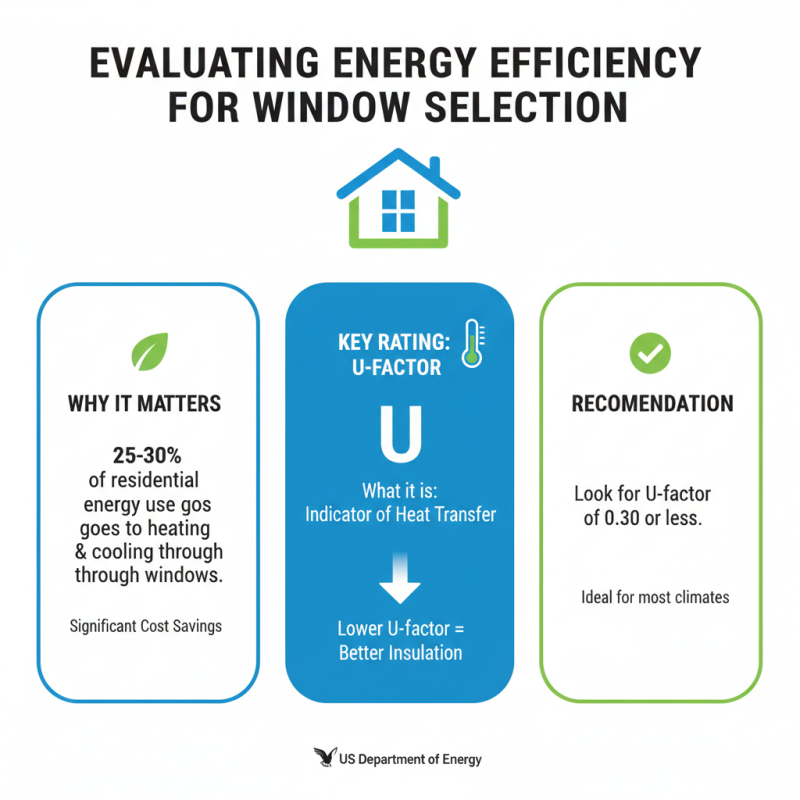
When selecting window components for a project, energy efficiency is paramount. Windows account for 25-30% of residential heating and cooling energy use, according to the U.S. Department of Energy. Therefore, understanding energy efficiency ratings can lead to significant cost savings. Look for windows with a low U-factor, an indicator of heat transfer. A U-factor of 0.30 or less is considered energy-efficient for most climates.
Another essential metric is the Solar Heat Gain Coefficient (SHGC). This value measures how much solar radiation is absorbed and released. A lower SHGC means less heat gain in warmer months. A rating of 0.25 or lower is ideal for areas with intense summer heat. This can drastically reduce cooling costs. Remember, not all windows are created equal.
Choosing windows with Energy Star certification can further enhance efficiency. Windows meeting this criterion can reduce energy bills by 7-15%. However, it's crucial to balance efficiency with other factors like aesthetics and budget. Not every high-efficiency window fits well in every design. Reflect on your specific needs and local climate conditions while making a selection. This nuanced approach will yield better results in the long run.
Considering Material Options: Wood, Vinyl, and Aluminum Frames
When selecting window components for your project, considering the material is crucial. Wood, vinyl, and aluminum each offer unique benefits and downsides. Wood frames are classic, providing excellent insulation and aesthetic appeal. They can enhance the character of a home. However, they require more maintenance, as they are susceptible to weather changes.
Vinyl frames are popular due to their affordability and low maintenance. They resist fading, chipping, and peeling. While vinyl offers energy efficiency, some homeowners might find they lack the same elegance as wood. It's worth reflecting on personal preferences.
Aluminum frames are known for their strength and durability. They can support larger panes of glass. Yet, aluminum isn't the best insulator. Condensation can be a problem in colder climates. Each material has its place, which can make the decision overwhelming. Balancing personal style with functionality is key.
Window Material Options Comparison
Assessing Glass Choices: Single, Double, and Triple Glazing
When assessing glass choices for windows, it’s essential to understand the differences between
single,
double, and
triple glazing.
Single-pane glass is the most basic option. It offers minimal insulation and noise reduction.
Studies show that single glazing can lead to higher energy costs, especially in extreme climates.
In fact, homes with single-pane windows may waste up to
20% more energy.
Double-glazed windows consist of two panes of glass with a gas-filled space between them.
This design significantly improves thermal insulation.
A report by the Department of Energy indicates that double glazing can reduce heat loss by
50%
compared to single glazing. This can lead to considerable savings over time.
However, homeowners must consider the initial cost of installation, which is often higher
than for single glazing.
Triple glazing takes insulation a step further. With three panes of glass, it provides the best thermal performance.
However, the added weight and cost may be a concern for some projects. Not all climates require such a high level of insulation.
In temperate regions, the potential benefits might not justify the investment.
Balancing energy efficiency with budget constraints is crucial. Each glazing option has its pros and cons,
and careful assessment is key.
Selecting Hardware and Accessories for Optimal Functionality
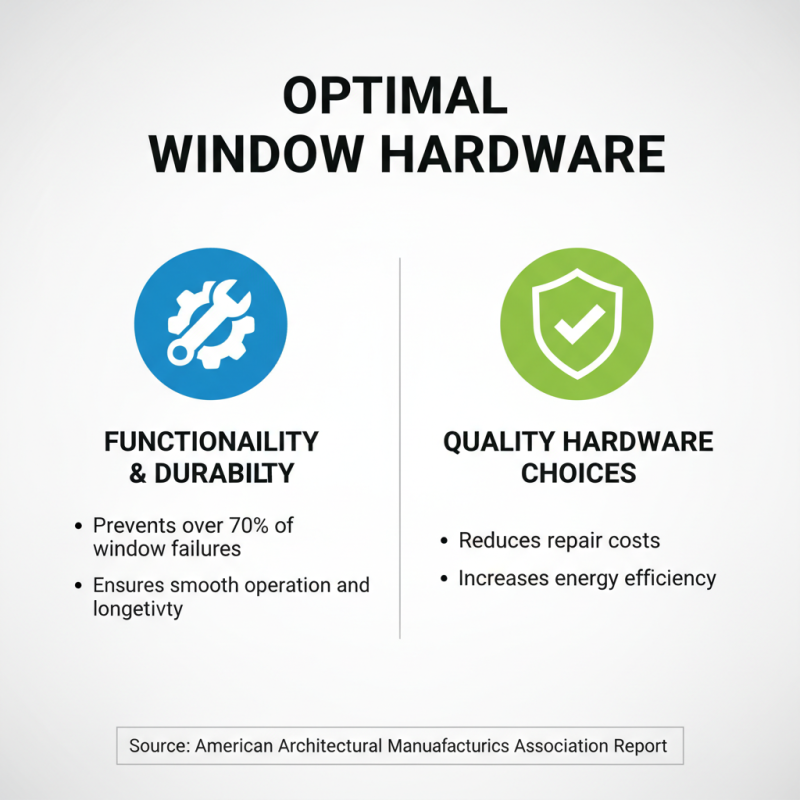
When selecting hardware and accessories for window components, focus on functionality and durability. According to a report by the American Architectural Manufacturers Association, over 70% of window failures occur due to poor hardware choices. Choosing quality hardware can ensure optimal operation and longevity.
Tips: Look for corrosion-resistant materials. Stainless steel is a great option for areas with high humidity. Also, check the warranty coverage of the hardware. A longer warranty often indicates confidence in product performance.
Consider energy efficiency as well. The right accessories can improve insulation and reduce energy costs. A study from the National Fenestration Rating Council shows that high-performance windows can save homeowners up to 30% on cooling and heating bills. However, don't overlook the importance of proper installation. Even the best components will underperform if not installed correctly.
Tips: Use installation guides from reputable sources. If necessary, consult with a professional to avoid setbacks. Remember, it's not just about the aesthetics. You need reliable functionality in your window design.