


NEWS at Quanex
See the latest news, posts and events from Quanex about our business, the industry, our people and more.
7 Electric Cigarette Buying Tips for Global Buyers
Buying an electronic smoking product across borders is not just a price comparison. Product names vary, and “Electric Cigarates” may appear in listings as a misspelling. Verify the exact device and manufacturer before ordering. Start with the intended market. Rules on sales, age limits, ingredients, packaging, and imports differ by country and can change. Check official government guidance rather than relying only on a seller’s assurances. Details matter. A low quote is not useful if a shipment cannot be accepted or the product lacks required documentation.
Then examine build quality and supporting evidence. Look for clear model numbers, ingredient disclosures where applicable, battery specifications, charging instructions, and traceable batch information. Ask for independent test reports that match the exact model, not a generic certificate image. Check warranty terms, replacement parts, and how the supplier handles defects. Small checks help. Compare the landed cost, including freight, duties, taxes, and possible inspection fees. Confirm secure packaging and realistic delivery estimates, especially for battery-containing goods. Avoid claims promising health benefits or guaranteed performance; marketing language is not proof. These seven buying tips provide a practical checklist, not legal or medical advice. Requirements vary, so verify them again before every order. Even careful buyers can miss something.
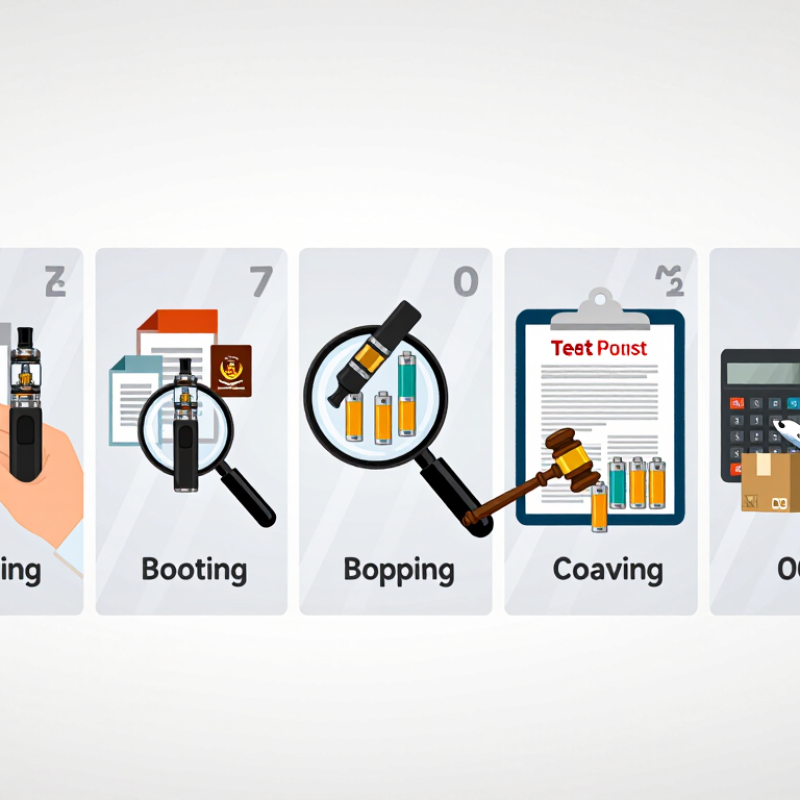
Understand Electric Cigarette Types and Local Regulations
Electric cigarettes are not one uniform product category. Buyers commonly encounter closed-pod devices, refillable systems, and single-use formats, but each may face different rules. Check whether local authorities permit the specific device type, nicotine content, packaging, and sale channel before requesting samples. Rules differ.
Regulatory details can change at national and regional levels. The World Health Organization’s 2023 global tobacco report recorded that 34 countries prohibited e-cigarette sales at the time of reporting. This figure is a dated global snapshot, not permission to sell elsewhere. Confirm current requirements with official customs, health, and product-safety authorities in every destination market.
Ask suppliers for clear product specifications, ingredient disclosures, safety documentation, and labels suited to the destination. Compare the device description with local definitions; terms such as “pod” or “vape” may not determine its legal classification. Check age restrictions, advertising rules, import conditions, and required warnings, too. A document can look complete and still miss a local requirement. Keep dated copies of official guidance and supplier records, and pause purchasing when classification remains unclear.
| Tip | Product Type or Feature | What to Check Before Buying | Regulatory and Safety Considerations |
|---|---|---|---|
| 1. Identify the device type | Closed-pod devices use prefilled or replaceable pods; open systems use refillable tanks; disposable devices are designed for single use. | Confirm whether the device is refillable, which consumables it needs, and whether replacement pods or coils will be available in the destination market. | Some jurisdictions restrict or prohibit particular device formats, flavours, or disposable products. Check current national and local rules before ordering. |
| 2. Check nicotine and liquid specifications | E-liquids may contain nicotine or be nicotine-free. Nicotine concentration is commonly stated in mg/mL or as a percentage. | Request a clear ingredient list, nicotine concentration, liquid volume, batch identification, and consistent product labelling. | Nicotine limits, permitted ingredients, packaging, warning labels, and sales rules differ by market. Do not assume a product legal in one country is legal in another. |
| 3. Verify local market access | Rules may apply to the device, e-liquid, nicotine content, advertising, retail sale, importation, or online sales. | Ask the importer or local compliance adviser to confirm the product’s status for the destination and intended sales channel. | For example, the United States requires applicable FDA authorization for new tobacco products to be legally marketed; requirements and enforcement can change. Confirm current official guidance. |
| 4. Review product documentation | Documentation may include technical specifications, ingredient disclosures, test reports, and conformity or notification records where required. | Match documents to the exact model, liquid formulation, manufacturing site, and destination-market requirements. | In the European Union, the Tobacco Products Directive sets requirements for e-cigarettes and refill containers, while national rules can add restrictions. Verify applicable current requirements and filings. |
| 5. Assess battery and charging safety | Devices may contain built-in lithium-ion batteries or use removable cells; charging connectors and power requirements vary. | Check battery ratings, charging instructions, protection features, and the availability of suitable replacement parts. Avoid damaged or unverified batteries. | Lithium batteries are subject to transport and packaging rules. Confirm carrier requirements and applicable battery test documentation before shipment. |
| 6. Plan shipping and customs correctly | Shipments can include electronic devices, batteries, nicotine liquids, or products subject to age and import controls. | Confirm the permitted shipping route, accurate product classification, required declarations, and whether the carrier accepts the goods. | Import restrictions and customs treatment vary by destination. Some places prohibit or tightly restrict e-cigarette products; obtain current official guidance before dispatch. |
| 7. Check after-sales and traceability | Relevant support may include batch tracking, defect handling, product instructions, and a clear process for safety complaints. | Agree on record retention, complaint escalation, recall cooperation, and access to replacement parts where permitted. | Keep product and shipment records, and provide required warnings and consumer information. Age restrictions and other sales obligations may apply even where the product itself is permitted. |
Important: E-cigarette laws and technical requirements vary by country and can change. This table is general purchasing guidance, not legal advice; verify current rules with the relevant regulator, customs authority, and carrier before ordering or shipping.