What is a Festooning Machine and How Does It Work?
The Festooning Machine is a revolutionary tool in packaging and production lines. This device is designed to efficiently manage and organize materials like wire, cable, or film. By utilizing advanced mechanisms, the Festooning Machine can handle intricate and large volumes of materials, enhancing workflow in various industries.
Understanding how a Festooning Machine operates requires knowledge of its core functions. It typically involves looping and stacking materials in an orderly fashion. This automation reduces manual labor and minimizes the risk of damage to fragile items. However, the complexity of its mechanics raises questions about maintenance and operational challenges. Users must be aware of potential failure points, such as tension issues or improper alignment.
Investment in a Festooning Machine can yield significant benefits. Increased efficiency, reduced waste, and improved safety stand out. Yet, companies must also consider their unique needs. Recognizing the appropriate scale and capacity of the machine is essential for optimizing its use. With proper implementation and a clear understanding, the Festooning Machine becomes an invaluable asset in modern manufacturing.
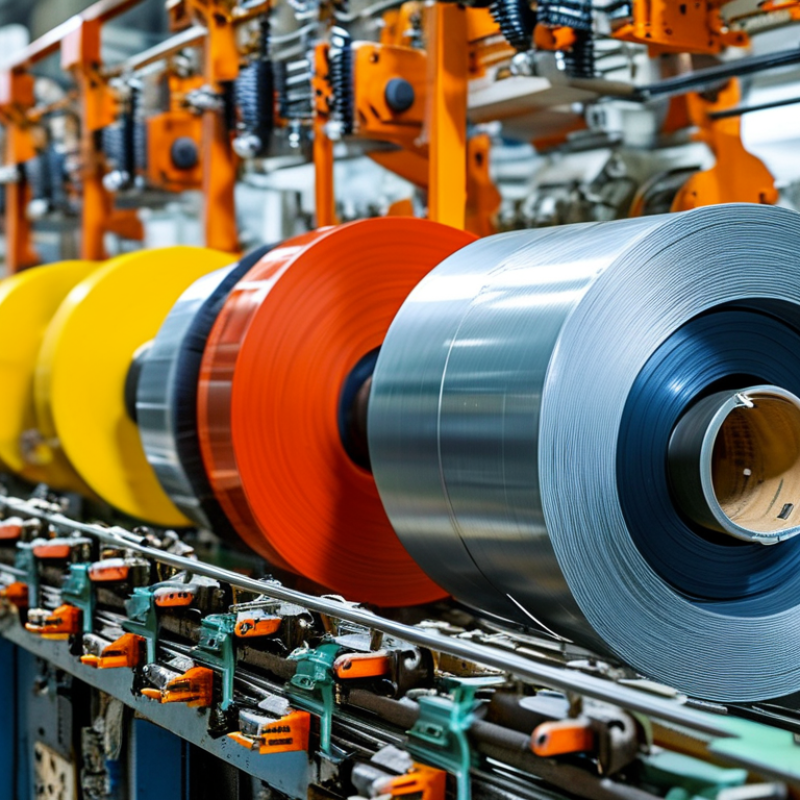
What is a Festooning Machine?
A festooning machine is a specialized device used in manufacturing and production lines. This machine plays a crucial role in the process of arranging and handling materials, typically wires and cables. Unlike traditional machines, it organizes items into loops and formations that enhance efficiency.
The operation of a festooning machine involves several key components. It typically includes a series of pulleys and guides to create uniform loops. The machine achieves this by collecting materials and manipulating them into pre-defined shapes. This design allows for smoother transitions during production and reduces the risk of damage. However, improper setup can lead to misalignment and inefficiencies.
Operators must pay close attention to the machine's calibration and maintenance. Regular checks are essential to ensure correct performance. An experienced technician can prevent potential errors, but even the best systems require regular oversight. The need for continual adjustments highlights the importance of hands-on expertise in keeping these machines functioning optimally.
Key Components of a Festooning Machine
A festooning machine is designed to handle and process materials efficiently. Its key components include the conveyor system, spool or reel, and guiding mechanisms. The conveyor system moves materials smoothly, allowing for optimal workflow. The spool is essential for storing and dispensing materials without tangling. Guiding mechanisms ensure that materials are directed accurately throughout the process.
When using a festooning machine, it's crucial to regularly inspect the components. A worn-out conveyor belt can lead to jams or inefficient operation. Lubrication is also necessary for smooth movement, reducing wear and tear.
Consider the layout of your workspace. Poor arrangement can hinder the machine's performance. Proper placement maximizes efficiency and minimizes workflow interruptions. Always keep an eye on the adjustments needed over time. Sometimes, small tweaks can lead to significant improvements.
The Working Principle of Festooning Machines
Festooning machines are essential in various industries for organizing and storing materials. Their primary function is to coil, loop, or bundle products in an efficient manner. Typically, these machines utilize a series of pulleys and rollers to guide materials through a defined path. As the material moves, a winding mechanism wraps it into neatly organized loops. This design minimizes space and prevents tangling.
The working principle hinges on precise mechanical movement. Materials enter the machine, where sensors detect their length and adjust the winding speed accordingly. Operators can customize the loop size, enhancing versatility for different products. However, this adaptability requires regular calibration to ensure optimal performance. In practice, few machines operate without hiccups. Misalignment and material jams often occur, prompting interventions during busy production runs.
Understanding the mechanics of festooning machines can help staff troubleshoot issues effectively. The more familiar workers are with their equipment, the less chance for disruption. Training is crucial, yet it often lacks depth. There’s a steep learning curve, and users must engage with the machinery regularly to build expertise. Attention to detail is vital; overlooking minor adjustments can lead to significant operational delays.
What is a Festooning Machine and How Does It Work? - The Working Principle of Festooning Machines
| Dimension | Specification |
| Machine Type | Automatic Festooning Machine |
| Capacity | Up to 2000 meters per hour |
| Material Type | Flexible materials such as cables and wires |
| Power Requirement | 220 V, 50/60 Hz |
| Control Type | PLC Control System |
| Dimensions (L x W x H) | 1500 mm x 800 mm x 1200 mm |
| Weight | 500 kg |
| Applications | Wire and cable manufacturing, packaging |
| Safety Features | Emergency stop button, overload protection |
Applications of Festooning Machines in Various Industries
Festooning machines play a vital role in various industries. They are primarily used for handling and managing cables, ropes, or other flexible materials. In manufacturing, these machines improve efficiency by organizing materials for assembly lines. They effectively reduce clutter, making it easier for workers to access materials swiftly. This simplicity enhances safety in workspace environments.
In the construction sector, festooning machines streamline the process of managing heavy cables. Workers can deploy cables quickly without tangles. This capability not only saves time but also improves overall project timelines. However, not all applications yield perfect results. Sometimes, improper setup can lead to material damage or worker frustration. Regular maintenance is essential to avoid these issues.
Another area where festooning machines excel is in entertainment. They are used to manage stage cabling for lights and sound equipment. This allows for quick setup and teardown during performances. Yet, there may be instances where the tension on cables is not ideal, causing excess wear. Proper training is crucial to mitigate these risks and ensure that equipment lasts longer in rigorous environments.
Advantages and Limitations of Using Festooning Machines
Festooning machines are invaluable in various industries, particularly in textiles and wire manufacturing. These machines automate the process of coiling and storing materials, enhancing both efficiency and productivity. One significant advantage is their ability to minimize manual labor. A report by MarketsandMarkets shows that automation can increase production speed by up to 30%. Reducing human error can lead to consistent quality in the output.
However, the use of festooning machines is not without limitations. Initial setup and maintenance can be costly. According to a study by the International Journal of Machine Tools and Manufacture, around 15% of company budgets may go towards machinery upkeep. This requires firms to evaluate their return on investment carefully. Furthermore, large-scale festooning machines may require significant floor space, which could be an issue for smaller operations. Companies must weigh these factors before deciding to integrate such machinery.
Another concern is the need for skilled operators. As the technology evolves, training becomes essential. Without proper knowledge, the benefits of automation can diminish. Documented cases show that lack of training can lead to a 20% decrease in efficiency. These aspects highlight the importance of a well-rounded approach to adopting festooning machines in any production line.