How to Choose the Best Main Door Lock for Your Home?
Choosing a Main Door Lock involves more than comparing prices or choosing the heaviest-looking model. It means matching the lock to your door, household, and daily routine. A solid deadbolt may suit a sturdy timber door, while a multipoint lock may be designed for a different door system. Check the door’s material, thickness, frame, and existing cutouts before buying. Small details matter. A lock cannot compensate for a loose frame or worn hinges.
Think about who uses the entrance and how it is used. A key-operated lock is straightforward, but spare keys need careful handling. A smart lock can offer keypad entry or temporary codes, though it depends on batteries, setup, and compatible hardware. Convenience is useful. So is a backup plan. Compare the manufacturer’s specifications, warranty, and any applicable independent security ratings; ratings and requirements can vary by region. If the lock needs drilling or changes to the door, a qualified installer can help prevent alignment problems. The bolt should move smoothly, not scrape against the strike plate.
It is easy to focus on features and overlook fit. I would pause there. No single lock is best for every home, and even a well-reviewed model can disappoint when installed poorly. This guide will help you weigh security, durability, ease of use, and installation needs before making a practical choice.
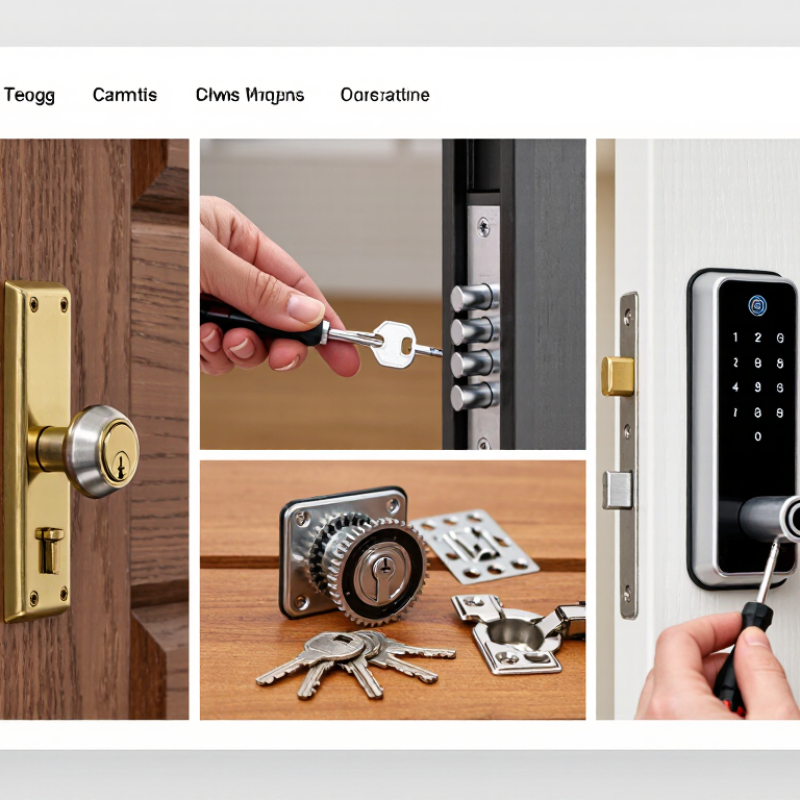
Understanding the Role of a Main Door Lock in Home Security
A main door lock does more than keep a door closed. It creates a barrier and can slow an unwanted entry attempt. That delay matters because it gives occupants time to respond and may draw attention from nearby people. A lock is not a guarantee of safety, though. Its performance depends on the door, frame, hardware, and installation working together.
Look at the full entry point, not just the key cylinder. A solid door with a well-fitted deadbolt may offer more resistance than a stronger lock fitted into a weak frame. Check that the bolt extends fully into the strike plate and that the plate is firmly attached to the framing. Small details matter. A loose handle, misaligned bolt, or door that sticks can affect everyday use and security. If the door has glass nearby, consider whether someone could reach the interior hardware through a broken pane.
Daily habits also shape how useful a lock is. Lock the door even during brief trips outside, and make sure everyone knows how to operate it in an emergency. A lock that feels secure but is difficult to use may be left unlocked; that is easy to overlook. Choose hardware suited to the door’s material and your household’s needs, and ask a qualified locksmith or installer to assess uncertain fitting or wear. Regularly test the bolt and inspect the frame for movement or damage.
How to Choose the Best Main Door Lock for Your Home
Security is strongest when a quality main door lock is part of a layered approach. A survey of incarcerated burglars offers context on how security measures can influence target selection.
What this means: These figures describe reported responses to alarm systems, not the effectiveness of any particular lock. When choosing a main door lock, consider a properly installed deadbolt and a door frame reinforced to resist forced entry.
Source: University of North Carolina at Charlotte, Understanding Decisions to Burglarize from the Offender’s Perspective (2012). Percentages are self-reported survey responses and may overlap.
Assessing Your Door, Entryway, and Household Needs
Before comparing lock features, inspect the door itself. Measure its thickness and note the latch’s backset, the distance from the door edge to the handle center. Check which way the door swings and where the hinges sit. An older door may have unusual dimensions, so a lock that looks suitable online might not fit. Measure twice.
Look at the frame, too. Is the strike plate firmly attached, or do its screws feel loose? Check for a visible gap around the closed door, swelling after rain, or a glass panel close to the lock. These details affect what kind of hardware will fit and how the entryway functions. Small details matter. A strong lock cannot correct a weak frame or poor installation.
Think about the people using the door every day. A household with children may need a simple, consistent locking routine; someone with limited hand strength may find a stiff thumb-turn difficult. Consider how many people need keys, whether deliveries are left near the entrance, and whether you often arrive with full hands. It is easy to overfocus on the lock itself. That is an incomplete way to judge security. Check measurements and installation requirements carefully, and ask a qualified installer when the door or frame seems unusual.
Comparing Lock Types, Security Ratings, and Key Options
A main door lock works as part of a system, not alone. A single-cylinder deadbolt is simple and often suits a solid entry door. A mortise lock combines several functions in one fitted case, but installation needs care. Smart locks add keypad or phone access. They also depend on power, setup, and reliable backup entry. Convenience matters, but so does what happens when batteries run low.
Compare security ratings only when they use the same testing standard. Look for independent testing details, not just a bold rating on the packaging. A strong rating cannot make a weak door frame secure. Check the strike plate, screws, and door alignment too. I would not treat a rating as a guarantee; it measures defined tests, not every weakness at home. That distinction is easy to overlook.
Key options affect daily use and control. A standard key is familiar, while a keypad can help when family members need separate access. Some locks support multiple keys cut to work alike, which reduces key clutter. Ask how replacement keys are controlled, and keep a spare in a secure place. Smart models should offer a dependable backup method. Test the latch with the door open, then closed. It should turn smoothly, without forcing it. One small catch: a feature-rich lock may be more complicated than your household needs.
Evaluating Installation Requirements and Smart Features
A main door lock must fit the door you actually have, not an idealized diagram. Measure its thickness, backset, bore diameter, and existing holes before buying. Check which way the door swings and whether nearby trim could block a keypad or handle. Small details matter. Older doors may have uneven frames, swollen edges, or worn screw holes that stop a deadbolt from moving smoothly. If a measurement is unclear, compare it with the installation guide or ask a qualified installer to inspect the door.
Smart features also depend on your home’s layout. A wireless lock may need a nearby hub or reliable signal, while keypad access can still work during internet outages. Look for temporary codes, low-battery alerts, and access history you can review. Keep a physical backup. Before choosing app control, consider who will manage updates and replace batteries; convenience still needs routine care. Test the connection at the entrance, not beside the router.
Installation quality affects daily use. The bolt should enter the strike plate without rubbing, and the door should close without force. Test the lock with the door open, then closed, and check each code or credential. A neat installation can still hide alignment trouble that appears after a cold, damp week. Smart functions may also feel excessive if household members dislike phone setup. Leave room in your budget for adjustments, especially with an older or out-of-square frame.
Choosing a Lock That Fits Your Budget and Daily Routine
Set a realistic budget before comparing locks, and include installation in the cost. A basic keyed deadbolt may suit a tight budget, while a keypad can save time when several household members need access. Check whether your door already has compatible holes; unusual sizes can add fitting costs. Small details matter.
Think about your daily routine, not just the feature list. If your hands are often full, a keypad may be easier than searching for keys on a dark doorstep. If you prefer fewer devices to maintain, a standard keyed lock avoids battery checks. For electronic models, look for a low-battery warning and a clear backup-entry method. Convenience should not create a new chore.
Before buying, measure the door thickness and the distance from its edge to the lock hole. Confirm that the lock suits the door material, and consider a deadbolt with a solid strike plate for added resistance. A higher price does not automatically mean a better fit. I would not choose a lock by appearance alone; it is easy to overlook installation needs when a finish looks just right. If the measurements or fitting are unclear, ask a qualified locksmith to check them before purchase.