What Is Medical Roll Paper Used For?
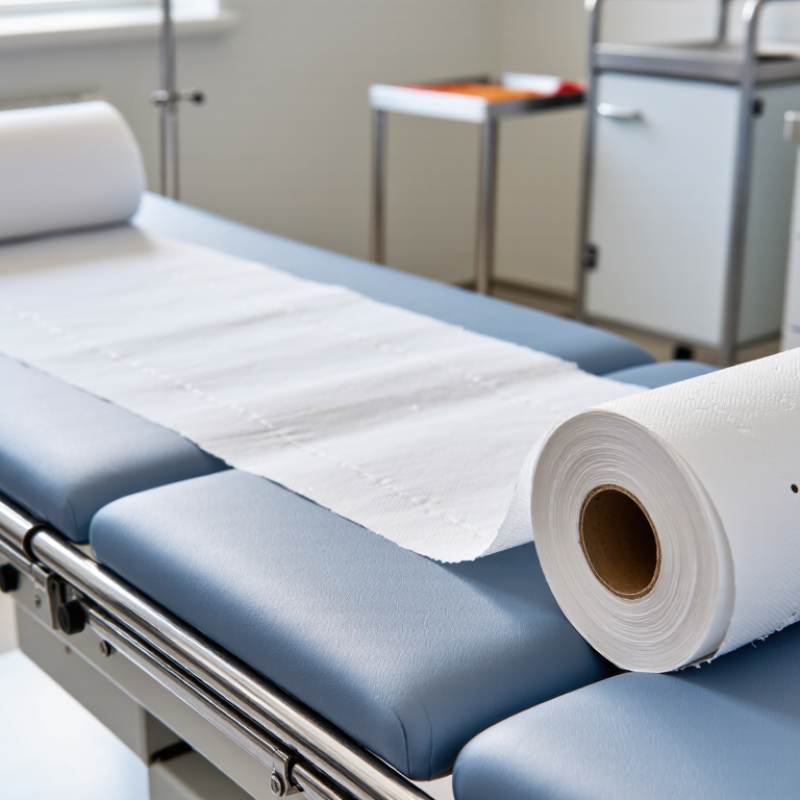
Medical Roll Paper is a disposable covering used on examination tables, treatment couches, and other patient-contact surfaces. In a clinic, a roll often sits beside the bed, ready to be pulled forward and torn off between appointments. Its purpose is straightforward: provide a fresh layer for each patient and help protect the underlying surface from everyday contact.
Healthcare settings use it in general practice, dentistry, physiotherapy, and some wellness services. A practitioner may unroll it before an examination, massage, or minor procedure, then discard the used sheet according to the facility’s routine. Products vary: some are single-ply, while others have multiple layers or an embossed texture. Width and strength also matter. The right choice depends on the table, the task, and the expected level of comfort. Some rolls have a moisture-resistant layer, but specifications vary, so product labels should be checked. A paper cover can reduce direct contact with upholstery, though it may shift or tear when a patient moves. It is practical. But ordinary roll paper should not be assumed to be sterile or waterproof. Paper alone cannot make a room hygienic; staff must still clean surfaces and follow their workplace procedures. That limitation is easy to overlook. Understanding what Medical Roll Paper can—and cannot—do helps clinics choose it sensibly and explain its role to patients.
What Medical Roll Paper Is and How It Is Made
Medical roll paper is a continuous disposable sheet placed over examination tables, treatment couches, and similar surfaces. It gives each patient a fresh layer and helps catch small spills, lint, or skin flakes between appointments. Rolls commonly use one or more plies of tissue paper, with perforations that let staff tear off a practical length. Not sterile by itself. It should not be treated as a medical barrier or a substitute for cleaning.
Production begins with wood or recycled fibers mixed with water to form pulp. The pulp is spread into a thin sheet, pressed, dried, and often creped to add softness and absorbency. Converting equipment then embosses or perforates the paper before winding it onto a cardboard core. Ply count and sheet weight affect feel, tear resistance, and cost; a softer sheet is not automatically stronger. AF&PA’s 2022 report estimated a 68% U.S. paper recycling rate, but that figure covers paper broadly, not used clinical rolls. After use, disposal depends on contamination and local waste procedures. Small detail, big difference.
What Is Medical Roll Paper Used For? - What Medical Roll Paper Is and How It Is Made
| Topic | Information | Practical Note |
| What it is | Medical roll paper is disposable paper supplied on a roll, commonly used as a cover for examination and treatment surfaces. | It provides a fresh surface layer for each patient; it does not replace cleaning and disinfection. |
| Common uses | Covering examination tables, treatment couches, procedure chairs, and headrest areas in settings such as clinics, dental practices, and physical therapy offices. | The roll is pulled across the surface and torn or cut to the length needed. |
| Main materials | Usually paper made from wood-pulp fibers. Some products use a paper layer bonded to a thin plastic backing for added resistance to moisture. | Material and construction affect softness, strength, absorbency, and liquid resistance. |
| Paper textures | Common finishes include smooth paper and creped paper. Creping creates a textured surface that can increase flexibility and bulk. | Texture and strength vary by product; users should select a roll suited to the surface and task. |
| How it is made | Wood pulp is mixed with water to form a fiber slurry. The fibers are spread into a thin sheet, drained, pressed, and dried. The finished paper may be creped or combined with a backing layer. | Exact manufacturing steps depend on the paper type and product specification. |
| Converting into rolls | Large paper reels are slit to the required width, perforated at intervals when applicable, and wound onto cardboard or other suitable cores. | Roll width, length, core size, and perforation spacing differ across products. |
| Disposable use | After a patient visit, the used section is removed and discarded according to the facility’s waste-handling procedures. | Replace the paper between patients and follow the facility’s cleaning and infection-control protocols. |
| Sterility and protection | Ordinary table paper should not be assumed to be sterile or waterproof. Those properties depend on the specific product and its labeling. | Use a product specifically labeled for a required sterile or moisture-resistant application. |
Where Medical Roll Paper Is Commonly Used
What Is Medical Roll Paper Used For?
Where Medical Roll Paper Is Commonly Used
Medical roll paper is commonly found on examination tables in clinics, physician offices, and outpatient care rooms. Staff pull a clean sheet across the table before each patient, then discard it after use. It provides a fresh contact surface and helps keep the table covering clean between visits. It is not a substitute for cleaning or disinfecting the table.
Dental practices use it on patient chairs, while physical therapy and rehabilitation rooms may place it on treatment tables. Ultrasound rooms also use roll paper to cover examination beds, though the paper itself does not replace the gel or cleaning steps used during scans. Massage and wellness settings may use it too, depending on their hygiene routines. The exact use varies.
A roll dispenser keeps paper close at hand, which can make room turnover easier. Staff should choose a width that covers the surface without excessive overhang, and change the sheet whenever it becomes damp, torn, or visibly soiled. Small detail. Paper can shift during an examination, so a well-fitted sheet matters more than it first appears. It is easy to overlook. Medical roll paper is typically a disposable barrier, not a sterile drape, and facilities should follow their own cleaning procedures.
How Medical Roll Paper Protects Examination Surfaces
Medical roll paper places a fresh, disposable layer over examination tables, headrests, or procedure couches. When a patient sits or lies down, the sheet helps keep skin, clothing, and small spills from contacting the surface directly. After the visit, staff tear off the used section and replace it. The next patient gets a clean surface. Simple, but useful. The paper is not sterile and does not disinfect the table; staff still need to clean and disinfect surfaces according to their facility’s procedures. CDC’s Guideline for Disinfection and Sterilization in Healthcare Facilities recommends protective barriers for surfaces that are difficult to clean, with replacement when soiled and appropriate disinfection.
The reason for careful surface routines is broader than paper alone. WHO’s 2022 Global Report on Infection Prevention and Control estimates that 7 of every 100 patients in acute-care hospitals in high-income countries acquire at least one healthcare-associated infection; in low- and middle-income countries, the estimate is 15 of every 100. These figures do not measure the effect of examination paper. They do show why small, repeatable hygiene steps deserve attention. A torn sheet, a damp patch, or exposed table edges can make the barrier less useful. Staff should check the covered area between patients and change the paper whenever it is wet, visibly soiled, or torn. Paper helps. It cannot replace cleaning.
Common Types and Features of Medical Roll Paper
What Is Medical Roll Paper Used For?
Medical roll paper covers several distinct products, and the differences matter. Examination-table rolls are usually lightweight, absorbent, and perforated for quick changes between patients. ECG rolls use heat-sensitive paper, so the recorded waveform remains readable without ink. Sterilization rolls combine medical-grade paper with a transparent film; they are packaging, not surface covers. Width, roll length, ply, and tear strength affect fit and handling. A loose perforation can waste sheets. A narrow roll may leave part of the table exposed.
Material choice should match the task. For exam tables, check that the paper unrolls smoothly and resists tearing when a patient shifts. For ECG machines, match the paper dimensions and thermal format to the equipment instructions. Sterilization packaging requires validated materials and processes; ordinary table paper is not a substitute. The World Health Organization reports that about 85% of health-care waste is general, non-hazardous waste, while 15% is hazardous (WHO, Health-care Waste, 2024). That figure describes health-care waste overall, not roll paper specifically, so local waste procedures still matter.
Tips: Check roll width, perforation spacing, and storage conditions before ordering. Keep ECG paper away from heat and direct sunlight, which can affect print contrast. Inspect sterilization-roll seals and packaging integrity before use. Small details matter. I would still test a sample roll in the actual room; specifications do not always predict how paper behaves on a busy day.
What Is Medical Roll Paper Used For? Common Types and Features
Medical roll paper provides a continuous printing surface for devices such as ECG recorders, ultrasound printers, and fetal monitors. The chart shows example roll widths in millimeters; actual sizes and paper types vary by device, so check the printer specifications before choosing a roll.
How to Replace and Dispose of Used Paper
Medical roll paper provides a fresh surface barrier for each patient, but it needs careful replacement to keep the exam table ready. After each appointment, remove the used sheet without shaking it. Perform hand hygiene, and wear gloves when workplace procedures call for them. Lift the paper from the table, then discard it according to your facility’s waste procedures. It is easy to rush this step. Still, avoid letting used paper brush against the clean roll or nearby supplies.
Before loading a new roll, check that the holder is clean and turns freely. Place the roll securely, feed the paper over the table, and pull enough to cover the area patients will contact. Keep the end within reach, but off the floor. If the holder or table is soiled, clean and disinfect it according to its instructions; fresh paper alone is not a substitute. Paper with no visible body-fluid contamination is often handled as routine waste, subject to facility policy. If it is visibly soiled with blood or other body fluids, follow your workplace’s exposure-control and disposal procedures, and do not recycle it. When unsure, ask the person responsible for infection-control guidance.