What Is a PE Waterproof Tarp Used For?
What Is a PE Waterproof Tarp Used For?
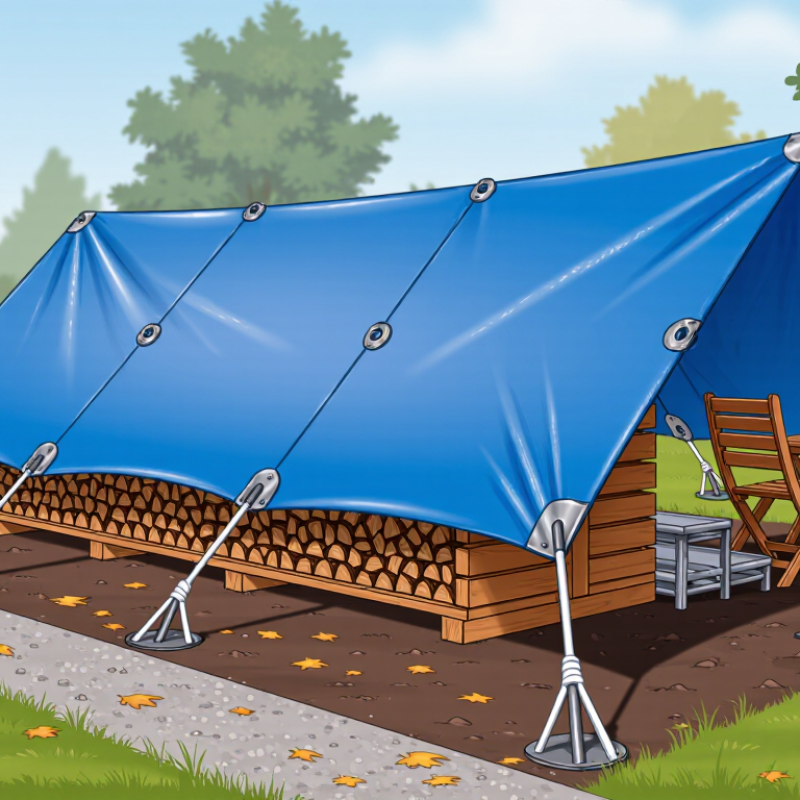
A Pe Waterproof Tarp is a practical cover made from woven polyethylene fabric. It helps shield goods, equipment, and outdoor spaces from rain, dust, sunlight, and light wind. On construction sites, workers may cover sand, timber, bricks, or tools overnight. At home, families often use one beneath firewood, over garden furniture, or beside a temporary shelter.
Its usefulness depends on correct selection and careful placement. A thicker tarp usually offers better resistance to tearing and repeated handling. Reinforced edges, strong eyelets, and properly spaced tie points also improve reliability. However, waterproof does not mean indestructible. Sharp corners can puncture the fabric, while trapped moisture may damage items underneath. That limitation matters.
Experienced users leave space for airflow when covering damp materials. They also secure the tarp without creating excessive tension around the eyelets. During severe weather, regular checks are sensible. Wind can lift an unsecured cover within minutes. A Pe Waterproof Tarp may serve for transport protection, agricultural storage, camping, landscaping, and emergency weather coverage. Its performance still depends on fabric quality, installation, and exposure time.
Small details matter.
This guide explains common applications, useful features, and practical maintenance habits. It also considers where a tarp may fall short. Choosing a suitable size and thickness can prevent wasted materials and avoidable replacement costs. The safest recommendation is simple: inspect the cover before use, follow the supplier’s care guidance, and never treat it as a permanent structure.
Definition and Basic Features of a PE Waterproof Tarp
A PE waterproof tarp is a flexible cover made from polyethylene, usually with a woven plastic scrim between laminated layers. This structure creates a lightweight barrier against rain, dust, sunlight, and temporary moisture. Many products use high-density polyethylene fabric with low-density polyethylene coatings. The result feels smooth outside but remains fairly strong under tension.
Its basic features include waterproofing, tear resistance, heat-sealed seams, reinforced corners, and metal or plastic eyelets. Thickness is often measured by fabric weight, commonly in grams per square meter. A heavier tarp usually handles stronger pulling forces, but weight alone does not prove quality. ASTM D751 provides relevant methods for testing coated fabrics, including tensile strength, tear resistance, and coating adhesion. These tests help buyers compare performance beyond appearance. PlasticsEurope’s 2023 report recorded 400.3 million tonnes of global plastics production in 2022. That figure shows polyethylene belongs to a mature, large-scale material industry, although manufacturing quality still varies. No tarp is truly indestructible.
Tips: Check the tarp’s weight, seam construction, UV treatment, and eyelet spacing. Leave slight slack for drainage, but avoid sharp folds around corners. In field use, I would also inspect rubbing points after heavy wind. That small step is easy to overlook. A waterproof tarp can still leak through damaged seams, stretched holes, or poor installation. For long outdoor exposure, choose reinforced edges and secure it with broad straps rather than thin cords.
How PE Tarps Protect Items from Water, Sunlight, and Dust
What Is a PE Waterproof Tarp Used For?
How PE Tarps Protect Items from Water, Sunlight, and Dust
A PE waterproof tarp creates a practical barrier over timber, machinery, garden furniture, and packed materials. Its woven polyethylene base resists rain while its coated surface slows water penetration. The scale is easy to underestimate.
One inch of rain places about 0.62 gallons of water on every square foot. Loose edges can therefore become a serious weakness.
Sunlight causes a different problem. Ultraviolet exposure can make plastic coatings brittle, especially at folds and attachment points. ISO 4892-3 provides methods for evaluating polymer materials under fluorescent UV exposure. A suitable tarp may include UV stabilizers, but no sheet lasts forever. Check for fading, stiffness, and tiny cracks before severe weather arrives.
Dust protection matters during storage and transport. A tightly secured tarp keeps airborne dirt away from engines, furniture, and construction supplies. It also reduces cleaning time after dry, windy conditions. ASTM D751 includes tests for coated fabrics, including strength and water-related performance. These tests support careful product selection, but they do not replace inspection on site.
Leave space for airflow, because trapped condensation can still create damp surfaces. The mistake is common. A tarp can block rain and still hold moisture underneath.
Choosing the Right Size, Thickness, and Tarp Design
A PE waterproof tarp protects equipment, firewood, vehicles, and outdoor work areas from rain and moisture. Its usefulness depends less on color and more on size, thickness, and construction. Measure the coverage area before buying. Add extra material for overlaps, folded edges, and tie-down points. A tarp that barely reaches the ground often leaves valuable items exposed.
Thickness affects durability and handling. Lightweight tarps work well for short-term shade or temporary covers. Heavier tarps resist tearing better during repeated outdoor use. However, thicker material can become awkward in wind and difficult to fold. I once selected a tarp by thickness alone, and it was stronger than necessary but unpleasant to install. Reinforced edges, rust-resistant eyelets, and closely spaced attachment points usually improve reliability. A grommet that pulls out can ruin an otherwise good cover.
Tips: Choose a slightly larger tarp than your measured area. Check the fabric weight and edge reinforcement. For windy locations, use more tie-down points and avoid sharp contact surfaces. A sloped design helps rainwater drain instead of collecting in the center. Rounded or reinforced corners can reduce stress during setup. Inspect the tarp after storms, even when it appears intact. Small cuts can grow quickly. Different projects need different designs, so there is no perfect thickness for every situation.
What Is a PE Waterproof Tarp Used For?
PE waterproof tarps are commonly used to cover vehicles, outdoor equipment, building materials, garden areas, firewood, and temporary workspaces. The chart compares standard tarp sizes by their calculated coverage area.
Choosing the right tarp: Select a size that extends beyond the items being covered so water can run off the sides. Light-duty tarps are suitable for short-term dust and rain protection, medium-duty tarps work well for general outdoor storage, and heavy-duty tarps are better for repeated exposure to wind, sunlight, and abrasion. Grommets, reinforced edges, and a sloped installation can improve durability and water shedding.
Proper Installation, Maintenance, and Safe Storage Methods
A PE waterproof tarp works best when installed as a temporary weather barrier, not as a loose blanket. Place it over a sloped frame, allowing water to drain instead of pooling. Leave a small air gap around stored materials. Pull the tarp evenly, then secure every grommet with rope or webbing. Avoid over-tightening, because wind can tear stressed eyelets. The National Weather Service classifies a UV Index of 6 or 7 as high, so prolonged sunlight can weaken polyethylene. Inspect exposed tarps frequently.
Maintenance is simple, but often neglected. Remove leaves, dust, and standing water with mild soap and clean water. Never scrub aggressively or use solvents; surface damage may begin with one harsh cleaning. Check for brittle corners, stretched grommets, pinholes, and torn seams. A small defect can grow quickly during a storm. Guidance from ASTM D751, which covers coated-fabric testing, supports checking seam strength and coating condition rather than judging protection by appearance alone. My practical concern is wind. A tarp that looks secure at noon may flap violently after sunset. Reduce loose edges and remove the cover when severe weather exceeds its design limits.
Tips: Dry the tarp completely before storage. Fold it loosely, without sharp creases, and keep it in a cool, dark, ventilated place. Do not store it directly on concrete or near chemicals. Label damaged areas for repair, but do not trust an old patch forever. Inspect it again before every installation.