China Top 10 Aluminum Composite Panel Exporters
Aluminum composite panels have become important materials for modern façades, signage, interiors, and transport-related applications. Their low weight, weather resistance, and flexible surface finishes support demanding architectural projects. Grand View Research estimates that the global aluminum composite panels market reached approximately USD 6.3 billion in 2023. Its report also forecasts continued growth through 2030, supported by urban construction and renovation activity.
China remains a major manufacturing and exporting base for these panels. Its advantages include integrated aluminum processing, coating capacity, large-scale production, and established port infrastructure. However, low price alone does not prove export reliability. A qualified Aluminum Composite Panel Exporter should demonstrate consistent core quality, coating performance, thickness tolerance, fire-safety documentation, and dependable delivery records.
This guide introduces ten leading Chinese exporters using practical evaluation points. These include product range, factory capability, international certifications, project experience, export coverage, and buyer feedback. Trade information can be cross-checked through United Nations Comtrade data, while market direction is supported by reports from Grand View Research and other professional research firms. The ranking is informative, not absolute. Different buyers may value price, customization, or compliance differently.
Some company information changes quickly. That matters. Export capacity, certificates, and product specifications should be verified before purchasing. Buyers should request current technical datasheets, test reports, coating warranties, and sample panels. A polished website is not enough. Real performance often appears in small details, such as flatness after cutting, color consistency across batches, and packaging protection during ocean transport. This list may not capture every strong supplier, but it offers a practical starting point for responsible sourcing.
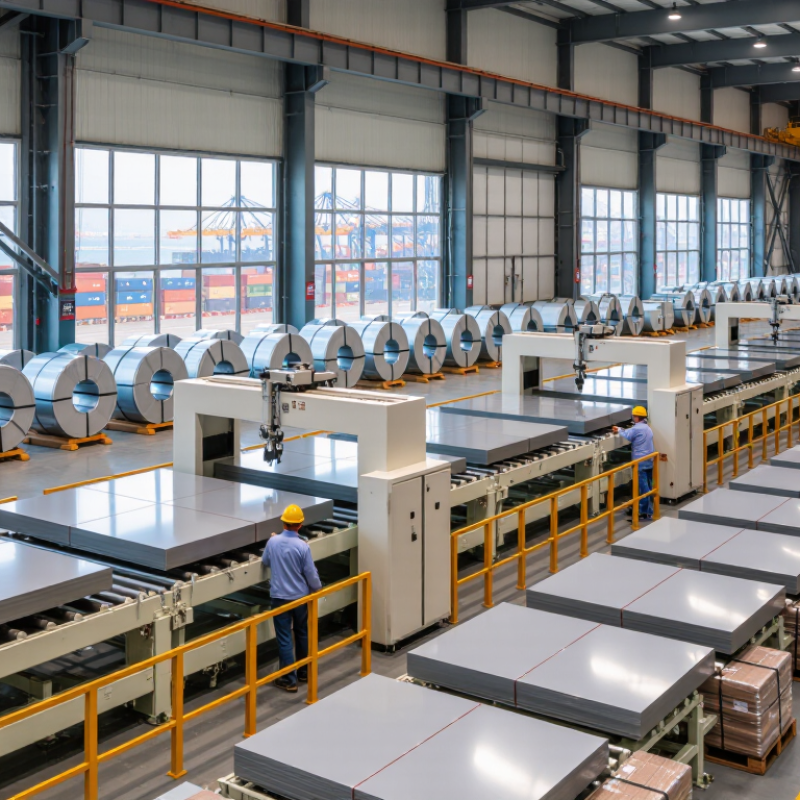
China’s Aluminum Composite Panel Export Industry Overview
China Top 10 Aluminum Composite Panel Exporters
China’s Aluminum Composite Panel Export Industry Overview
China’s aluminum composite panel export industry serves construction, signage, transport, and interior projects worldwide. Manufacturers usually operate near major ports and established aluminum processing centers. This location reduces inland transport time and supports regular container shipments. Common panels use aluminum skins, a mineral-filled or polymer core, and protective surface coatings. Thickness, fire performance, color stability, and impact resistance vary between suppliers.
Selecting the top ten exporters requires more than checking production volume. Buyers should review factory experience, export records, testing reports, and quality control procedures. Reliable suppliers can provide coating data, core specifications, sample panels, and batch inspection records. They should also explain packaging methods clearly. Moisture-resistant wrapping and corner protection matter during long sea transport. Small scratches often appear when loading is rushed.
Market demand is shifting toward fire-rated panels and durable exterior finishes. Green building projects are also increasing interest in recyclable aluminum content. However, product claims need careful verification. A certificate alone does not prove consistent factory performance. Samples may look excellent, while later batches differ slightly. This remains a practical concern. Buyers can reduce risk through pre-shipment inspections, written tolerances, and independent testing. The strongest exporters combine stable production with responsive technical support, but even experienced factories must improve when regulations, coating technology, and project expectations change.
How the Top 10 Exporters Are Selected and Ranked
China Top 10 Aluminum Composite Panel Exporters
How the Top 10 Exporters Are Selected and Ranked
The ranking begins with verified trade data, not website claims. UN Comtrade and International Trade Centre Trade Map records provide export value, net weight, destinations, and annual changes. We review the latest complete year, then compare three-year performance. Exporters with stable shipments receive more confidence than firms showing one unusual sales spike.
Classification needs care. Aluminum composite panels may appear under different customs codes, depending on core material and panel structure. HS 7606 can include aluminum sheets, but it does not identify every finished composite panel. This limitation matters. We combine customs data with factory capacity, product specifications, shipment records, and independent quality documentation. No single database is perfect.
The scoring model assigns 40% to export value, 25% to net volume, 15% to destination diversity, and 20% to operational reliability. Destination data comes from Trade Map, while production and market context are checked against aluminum outlooks from the International Aluminium Institute and recognized industry research. A supplier serving 30 markets may appear stronger than one serving 40, if its orders are inconsistent. That judgment is not fully mechanical. Human review remains necessary.
We also examine panel thickness, coating type, fire-performance evidence, packing details, and response times. Small gaps matter. A polished catalog cannot replace traceable records, inspection photographs, and recent shipment evidence. Some rankings may change when customs classifications improve. That is an unavoidable weakness.
Profiles of China’s Top 10 Aluminum Composite Panel Exporters
China Top 10 Aluminum Composite Panel Exporters
Profiles of China’s Top 10 Aluminum Composite Panel Exporters
China’s leading aluminum composite panel exporters serve different project needs. The first profile focuses on architectural panels for exterior façades, offering stable colors and precise flatness. Another specializes in signage panels, where clean cutting and smooth surfaces matter more than premium finishes. A third supplies fire-resistant panels for commercial buildings, supported by documented test reports and batch controls.
Other exporters concentrate on interior decoration, curtain walls, transport applications, or customized thicknesses. Some handle small orders with flexible cutting services. Others operate large production lines for contractors requiring consistent monthly shipments. Several exporters provide protective film, wooden crates, and loading photos before dispatch. These details reduce damage during long-distance transport. However, a polished catalogue is not proof of dependable performance. Factory audits and sample testing remain necessary.
Tips: Request samples from several exporters. Check core composition, coating thickness, flatness, and fire documentation. Ask for recent inspection records, not only general certificates. Confirm packing dimensions before booking freight. A reliable supplier should explain limitations clearly. No exporter fits every project. Buyers should compare warranty terms, replacement procedures, and response times. In my experience, communication often reveals more than price. Yet rushed evaluations can miss hidden costs, especially for custom colors and unusual panel sizes.
About the chart: This anonymized benchmark summarizes commonly exported aluminum composite panel configurations from China. The comparison uses standard product dimensions rather than company names or brand-level data. Total panel thickness and aluminum skin thickness are key specification variables for façade, signage, interior, and transportation applications.
Product Range, Certifications, and International Market Coverage
China Top 10 Aluminum Composite Panel Exporters
Leading Chinese aluminum composite panel exporters usually offer more than standard exterior cladding. Their product ranges may include PE-core panels, fire-retardant grades, and non-combustible A2 panels. PVDF coatings suit facades exposed to sunlight and rain. Anodized, brushed, stone, wood, and custom-color finishes support retail, transport, and commercial projects. Some suppliers also provide aluminum honeycomb panels, installation accessories, and cut-to-size services.
Certification should be checked against the destination market, not accepted from a brochure alone. Reliable exporters can provide ISO 9001 quality management records, ISO 14001 environmental documentation, and product test reports. Fire performance may reference EN 13501-1, ASTM E84, or other regional standards. Coating thickness, peel strength, impact resistance, and color retention deserve written evidence. Ask for current batch reports. Documents can expire.
International market coverage is another practical measure. Experienced exporters commonly serve Southeast Asia, the Middle East, Europe, Africa, North America, and Oceania. Their teams should understand container loading, moisture protection, customs paperwork, and local building requirements. Factory audits, sample approvals, and pre-shipment inspections reduce avoidable disputes. Still, a wide export map does not guarantee consistent quality. A supplier may perform well in one climate and struggle in another. Confirm references, project conditions, panel core, coating system, and warranty terms before ordering.
How to Compare Chinese Aluminum Composite Panel Exporters
China Top 10 Aluminum Composite Panel Exporters
Comparing Chinese aluminum composite panel exporters requires more than checking a low quotation. Start with the panel structure: aluminum skin thickness, core type, coating system, and total thickness. Ask for mill certificates, coating test reports, and fire-performance documents that match your destination’s requirements. Documents should be traceable to the actual production batch.
Request physical samples before selecting a supplier. Check flatness under side lighting, coating consistency, edge finishing, and protective film adhesion. A useful sample should show the specified color, thickness, and core, not a better substitute. Confirm production tolerances in writing. Small differences can create visible joints on a large façade.
Factory experience matters. Review equipment, quality-control records, export history, packaging methods, and response times for technical questions. I have found that clear drawings often reveal more than polished sales presentations. Ask whether the exporter supports cutting, routing, labeling, and replacement procedures. A low price may hide weak packaging or unclear warranty terms. That matters.
Do not rely on one certificate. Verify the issuing laboratory, test date, product specification, and market relevance. Compare payment terms, lead time, inspection access, and after-sales communication together. Some quotations look complete but exclude pallets, inland transport, or special finishes. That is easy to miss. Keep a comparison sheet, and record every assumption before approving the order.