Top 10 Patio Door Seals for Drafty Doors?
A drafty patio door can turn a comfortable room into a cold, noisy passage. The gap may be only a few millimeters, yet moving air can disturb curtains, chill bare feet, and raise heating demand. The U.S. Department of Energy reports that heat loss and heat gain through windows account for 25% to 30% of residential heating and cooling energy use. Patio doors are part of that vulnerable envelope, especially when their seals are cracked, compressed, or poorly fitted.
Small gaps matter.
Dr. Joseph Lstiburek, founder of Building Science Corporation, explains, “A building enclosure is a system, not a collection of parts.” That principle guides this review. A patio door seal cannot correct a warped frame, damaged rollers, or failed flashing. It can, however, reduce air leakage when the door and track remain properly aligned. The Federal Energy Management Program also identifies weatherstripping and caulking as practical measures for reducing unwanted air movement around doors and windows.
This guide compares ten patio door seal options for drafty doors. It considers material, profile, compression, installation difficulty, durability, and compatibility with sliding or hinged systems. Expect honest limitations. A foam strip may work quickly, but it can compress too soon. Silicone lasts longer, yet installation demands a clean, dry surface. Some seals look identical online but differ in thickness by several millimeters. That detail can stop a door from closing.
The best choice is not always the thickest one. It is the seal that fits the gap without creating new friction.
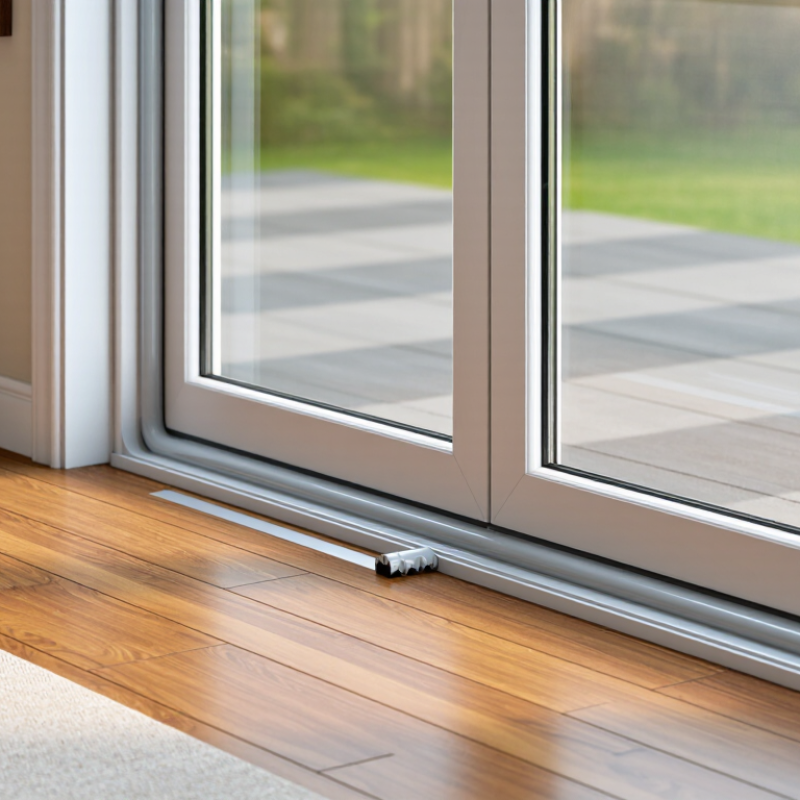
Understanding Patio Door Seals and Common Draft Problems
Patio door seals are flexible barriers between your room and outdoor air. They usually include pile weatherstripping, rubber gaskets, interlocking strips, and threshold seals. Each design handles movement differently. Sliding doors need seals that compress without blocking the rollers. Hinged doors often require a continuous gasket around the frame.
Drafts usually begin with a small failure. Look for flattened pile, cracked rubber, loose corners, or light beneath the closed door. Cold air may also enter where the meeting stiles overlap. That area is easy to miss. Small gaps matter. On a windy evening, hold a thin tissue near the frame. Movement can reveal leaks more clearly than touch.
Before choosing one of the top ten patio door seals, measure the old seal’s channel, width, and compression depth. Do not rely on appearance alone. A thicker replacement may prevent proper closing. A thinner one may leave pressure gaps. Clean the track and frame before installation, because grit can create uneven contact. In my own inspections, I have mistaken a damaged roller for a seal problem. That mistake caused unnecessary replacement. I still check door alignment before recommending new material. A properly aligned panel should close evenly, without forcing the handle or scraping the threshold. The best seal is not always the thickest.
Comparing the Top Ten Seal Types for Patio Doors
Patio door seals differ in material, movement, and weather resistance. Comparing ten common types helps match the seal to the door’s actual weakness.
Brush pile seals use dense fibers to block dust and light drafts while allowing sliding movement. Adhesive foam seals are inexpensive and quick to install, but compression weakens them after repeated use. EPDM rubber handles sunlight, rain, and temperature changes well. Silicone remains flexible in cold weather and suits uneven gaps. Vinyl seals are easy to cut and widely used, though brittle vinyl may crack. Felt seals are soft and quiet, but they absorb moisture and wear quickly. Wool pile offers better insulation than basic felt, yet it costs more. Magnetic seals create a firm closure, but they work best on compatible door frames. Compression seals close gaps tightly when the panel meets the jamb. Interlocking center seals protect the meeting point between sliding panels, where wind often enters.
In my repair experience, brush pile works best for moving edges, while EPDM suits exposed bottom tracks. A narrow compression seal stopped a visible draft near one jamb. The wrong thickness made the door difficult to close. Measure the gap at several points, not just once. Clean old adhesive and dry the frame before installation. Press the seal firmly along corners. I once trusted a neat-looking foam strip, but it peeled after one wet season. That mistake still matters. A seal should block air without changing the door’s alignment. Check operation after fitting. Thin gaps need precision. Wide gaps may need adjustment, not thicker material.
Top 10 Patio Door Seals for Drafty Doors? — Comparing the Top Ten Seal Types for Patio Doors
| Rank |
Seal Type |
Typical Material |
Best Location |
Typical Gap Coverage |
Draft Reduction |
Water Resistance |
Typical Service Life |
Installation Difficulty |
Approx. Cost per Door |
| 1 |
Interlocking Door Seal |
Rigid or semi-rigid aluminum with flexible weatherstrip |
Meeting rails and the closing edges of sliding patio doors |
About 2–6 mm |
Excellent |
Excellent |
8–15 years |
Moderate; accurate alignment is required |
$35–$90 |
| 2 |
Silicone Bulb Gasket |
Flexible silicone rubber |
Perimeter channels on hinged or sliding patio doors |
About 2–8 mm |
Excellent |
Excellent |
10–20 years |
Moderate; usually fitted into a groove |
$25–$75 |
| 3 |
Compression Foam Tape |
Closed-cell EPDM, neoprene, or polyethylene foam |
Fixed jambs, head jambs, and uneven frame gaps |
About 2–10 mm |
Very good |
Good |
2–6 years |
Easy; clean, dry surfaces are essential |
$8–$25 |
| 4 |
V-Strip or Tension Seal |
Vinyl, polyester, or spring-grade plastic |
Door jambs and narrow compression gaps |
About 1–5 mm |
Very good |
Good |
5–10 years |
Easy to moderate |
$10–$30 |
| 5 |
Brush Pile Weatherstrip |
Polypropylene or nylon filaments in a carrier |
Sliding tracks, meeting rails, and moving panel edges |
About 2–8 mm |
Good |
Moderate |
5–10 years |
Moderate; correct pile height is important |
$15–$45 |
| 6 |
Rubber or EPDM Compression Gasket |
EPDM or thermoplastic rubber |
Door perimeter channels and replacement glazing frames |
About 2–7 mm |
Very good |
Excellent |
8–15 years |
Moderate to difficult |
$25–$80 |
| 7 |
Door Sweep |
Aluminum, vinyl, silicone, or rubber |
Bottom edge of hinged patio doors |
About 3–12 mm |
Very good |
Very good |
5–10 years |
Easy to moderate |
$15–$50 |
| 8 |
Adhesive-Backed Silicone Strip |
Soft silicone rubber with pressure-sensitive adhesive |
Small perimeter gaps and temporary retrofit sealing |
About 1–5 mm |
Good |
Good |
2–5 years |
Easy |
$10–$30 |
| 9 |
Kerf-Fit Flexible Weatherstrip |
Foam, vinyl, or silicone with a rigid insertion barb |
Door jamb kerfs and factory-style replacement channels |
About 2–6 mm |
Good |
Good |
5–10 years |
Moderate; the kerf size must match |
$15–$45 |
| 10 |
Brush-and-Fin Track Seal |
Polyester brush pile with flexible plastic fin |
Sliding panel edges and track-adjacent areas |
About 2–7 mm |
Good |
Moderate to good |
4–8 years |
Moderate |
$15–$40 |
|
Cost and service-life figures are typical non-brand estimates for one patio door and can vary with door size, exposure, surface condition, installation quality, and local pricing. Measure the existing channel, gap, and seal profile before purchasing a replacement.
|
How to Measure and Install a Patio Door Seal
A patio door seal blocks air, dust, and light around the moving panel. Measuring it correctly matters more than choosing the most expensive option. Inspect the existing seal first. Look for flattened foam, cracked vinyl, loose corners, or daylight along the frame.
Close the door gently and measure the visible gap with a ruler. Record the seal’s width, thickness, and total length. Measure the top, bottom, and both sides because older doors may have shifted. Check the replacement profile against the original channel. A similar-looking seal may still fit poorly. I once measured only the longest side and wasted material. That mistake was avoidable.
Tips: Clean the channel with mild soap and let it dry fully. Remove old adhesive carefully. Cut the new seal slightly long, then trim it gradually. Start at one corner and press evenly without stretching the material. Test the latch before finishing. The door should close firmly, but it should not require force. Run a thin sheet of paper around the edges. If it slides freely, inspect that section again.
For adhesive-backed seals, apply steady pressure along the entire strip. Avoid installing them in rain or extreme cold. Temperature can weaken adhesion and distort flexible materials. If the frame is bent, a new seal may not solve the draft. In that case, adjust the rollers or seek advice from a qualified door professional. My own installation looked neat but still leaked near the lower corner. Rechecking alignment revealed the real problem.
Top 10 Patio Door Seals for Drafty Doors
Typical working-gap coverage for common patio door seal profiles. Measure the gap at several points with the door closed, then choose a seal whose compressed range matches the largest measured gap.
Installation tip: remove the old seal, clean and dry the channel or frame, cut the replacement slightly longer than the opening, and press it into place without stretching. Test the door for smooth operation and check for drafts around the full perimeter.