
Contact Us

Filter Close

NEWS at Quanex

See the latest news, posts and events from Quanex about our business, the industry, our people and more.

Top Aluminum Composite Panel Manufacturers for Global Buyers?

Choosing the right Aluminum Composite Panel Supplier can shape a project’s appearance, safety, and long-term maintenance costs. This guide examines leading manufacturers serving global buyers, with attention to verified production capacity, material consistency, and export experience. It introduces how an Aluminum Composite Panel Manufacturer earns trust beyond attractive catalogs and competitive quotations.

Practical evaluation begins with the panel itself. Buyers should review aluminum thickness, core composition, coating technology, surface flatness, color stability, and peel strength. Fire-performance reports matter, especially for façades, signage, and high-rise applications. Reliable manufacturers can provide current test documents, technical datasheets, samples, and traceable batch information. They should also explain packaging details, container loading methods, lead times, and claims procedures clearly.

Real projects reveal more than polished websites. A factory visit, independent inspection, or sample comparison may expose differences in finish and bonding quality. Communication also matters when specifications change across regions. Experienced manufacturers understand local building requirements, climate conditions, and installation practices, yet buyers should verify every certificate independently. No supplier is perfect. Even reputable companies may experience delays, shade variation, or misunderstood drawings. That is why this overview considers both strengths and limitations, rather than presenting simple rankings. The goal is practical: help architects, contractors, distributors, and importers identify dependable partners for consistent panels, transparent documentation, and manageable project risk. Small details matter. A scratched corner can delay installation. A missing report can delay approval. Careful comparison protects both budget and reputation.
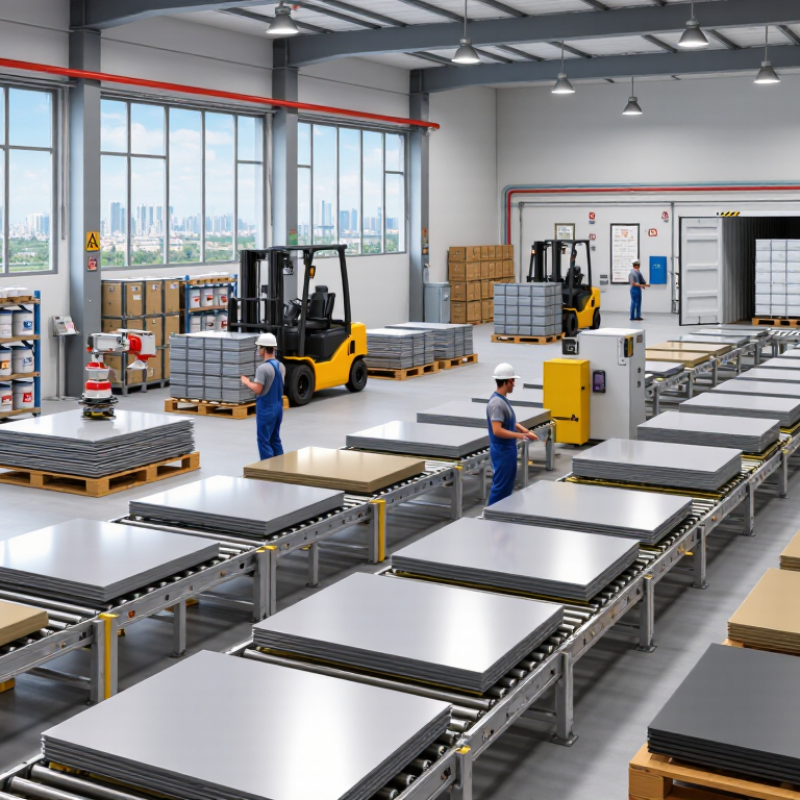
Top Aluminum Composite Panel Manufacturers for Global Buyers?

What Are Aluminum Composite Panels and Where Are They Used?

Aluminum composite panels, or ACPs, are lightweight facade boards made from two aluminum skins and a central core. Common thicknesses range from 3 to 6 millimeters. They combine a smooth surface with practical rigidity. Installers often cut them into cassette panels, folded corners, signage, canopy linings, and interior wall coverings. A 2024 Grand View Research assessment estimated the global ACP market at several billion U.S. dollars, with steady growth through 2030. Demand is linked to faster construction, urban renovation, and lightweight building envelopes.

Their uses extend beyond appearance. Architects select ACPs for ventilated facades, retail fronts, airport interiors, and transport applications. The flat surface accepts durable coatings, while the low weight can reduce handling effort on site. Still, the material is not automatically fire-safe. That assumption fails. Core type, joint design, cavity barriers, and installation quality affect real performance. European projects commonly review reaction-to-fire classifications under EN 13501-1, while other regions may require local testing and approvals. Reports from the International Energy Agency also keep attention on building energy use, although ACP itself is not insulation. Its value depends on the complete wall system, including insulation, air gaps, fasteners, and drainage.

In practice, buyers should request test reports, coating specifications, tolerance data, and installation guidance. A low purchase price can hide rework, color variation, or weak edge protection. Field experience shows that even a good panel can fail when installers ignore movement joints or water paths. Specification is never the whole story.

How to Evaluate Aluminum Composite Panel Manufacturers

Choosing an Aluminum Composite Panel Manufacturer requires more than comparing prices. Check the factory’s production experience, panel specifications, and quality-control procedures. Ask for clear data on core thickness, aluminum skin thickness, coating type, flatness, and weather resistance. Request recent test reports from independent laboratories, especially for fire performance and bonding strength. Documents should match the actual product, not a generic catalog.

Samples reveal details that photographs cannot. Inspect the panel edges, surface uniformity, protective film, and corner behavior after cutting. A reliable manufacturer should explain tolerances, packaging methods, storage conditions, and replacement procedures. Request references from projects with similar climates and building uses. Factory videos help, but an independent inspection offers stronger evidence. A polished website is not proof of consistent production.

Tips: Compare at least three manufacturers using the same written checklist. Ask how they handle rejected batches and color variation. Review technical answers carefully; vague replies may signal weak process control. Confirm export experience, delivery capacity, and communication after payment. Do not choose solely by the lowest quotation. I have seen buyers focus on panel price, then face higher installation costs because dimensions were inconsistent. That mistake is easy to repeat. A careful evaluation may feel slower, yet it exposes risks before containers leave the factory.

Which Regions Lead the Global Aluminum Composite Panel Market?

Asia-Pacific currently leads the global aluminum composite panel market. Grand View Research identified the region as the largest market in 2023, supported by rapid urban construction and expanding transport infrastructure. China, India, and Southeast Asia remain important production and consumption centers. Large commercial façades often use 4-millimeter panels, while interior projects may specify thinner constructions.

The numbers are not perfectly comparable. Fortune Business Insights also ranked Asia-Pacific first and valued the global market at about USD 6.14 billion in 2023. Europe follows with strong renovation demand and strict fire-performance expectations. North America shows steady growth, especially in institutional and commercial buildings. The Middle East is smaller, but new airports, hotels, and mixed-use districts are increasing regional demand.

Regional leadership does not automatically mean better supply. Buyers should examine coating thickness, core classification, flatness, warranty terms, and batch traceability. Requesting laboratory fire-test records is practical, not excessive. A supplier may quote a low price, yet inconsistent panel color can become visible across a sunlit façade. Market reports also rely on different definitions of aluminum composite panels, which makes direct ranking imperfect. That limitation deserves attention when comparing manufacturers and regional capacity.

What Makes a Manufacturer Reliable for International Buyers?

A reliable aluminum composite panel manufacturer gives international buyers evidence, not confident promises. On project reviews, I check batch records, coating thickness, core composition, and fire-test reports before discussing price. ISO’s 2022 Survey recorded more than 1.26 million ISO 9001 certificates worldwide, yet certification alone is not proof. Buyers should verify the certificate’s scope, issuing body, and production site.

Material consistency matters. Ask for independent testing under relevant standards, such as EN 13501-1 or ASTM E84, when the project requires fire-performance evidence. Request samples from current production, not only showroom pieces. Color variation becomes obvious beside a window frame. A dependable supplier also explains tolerances, warranty exclusions, packing methods, and replacement procedures in clear English. That detail reveals operational maturity.

Logistics performance deserves equal attention. The World Bank’s 2023 Logistics Performance Index evaluates customs, infrastructure, shipment quality, and timeliness. Manufacturers serving overseas buyers should provide realistic lead times, export documents, pallet dimensions, and container-loading photographs. Vague delivery estimates are a warning sign. Grand View Research’s 2024 market analysis projects continued growth in aluminum composite panels through 2030, increasing pressure on capacity and quality control. Fast growth can hide weak systems. I would still request a small trial order, inspect its edges and flatness, and compare delivered results with the approved sample. Mistakes happen. Reliable manufacturers show how they correct them.

How to Compare Products, Certifications, Pricing, and Export Services

Global buyers should compare aluminum composite panels by structure, not appearance alone. Check alloy grade, core type, coating thickness, and panel flatness. Request samples from different production batches. A glossy surface can disguise weak bonding. For exterior projects, ask how panels perform under heat, moisture, wind, and impact. Use measured data, not confident promises. In my experience, small sample checks often reveal more than polished catalog images.

Certifications should match the destination market and the project’s risk level. Ask for current fire-performance reports, coating tests, quality certificates, and factory inspection records. Verify the testing laboratory and report number when possible. A certificate without traceable evidence deserves caution. Also review production controls, batch labeling, and complaint procedures. These details show whether quality is consistent after the sales team leaves. No comparison is perfect. Some technical claims still need independent verification.

Pricing requires more than comparing the unit cost. Request a complete quotation covering panel specifications, minimum order quantity, tooling, packaging, inland delivery, and export terms. Confirm whether prices use EXW, FOB, or another agreed basis. A low offer may exclude protective film, reinforced pallets, or documentation. Check lead times during busy seasons. Ask how damaged cargo, color variation, and late delivery are handled. Export experience matters here. Useful evidence includes loading photos, packing standards, customs documents, and references from similar markets. Allow room for mistakes, because even careful forecasts can change with raw material costs and shipping schedules.

Top Aluminum Composite Panel Manufacturers for Global Buyers? - How to Compare Products, Certifications, Pricing, and Export Services

The following comparison is organized by commonly traded aluminum composite panel product categories rather than by company or brand. Price ranges are indicative bulk-export levels in USD per square meter and vary according to order quantity, alloy, coating, core formulation, testing, packaging, destination, and Incoterms.

Product Category Typical Panel Thickness Aluminum Skin Thickness Common Core Construction Typical Fire-Performance References Relevant Quality and Compliance Documents Indicative Export Price Range Common Applications Key Product Checks for Buyers Typical Export Services to Compare
Standard PE-Core ACP 3–4 mm 0.10–0.50 mm Polyethylene-based core between two aluminum sheets Fire performance depends on the exact core and tested assembly; do not assume a fire rating without a valid test report Mill test certificate for aluminum, coating specification, dimensional inspection report, ISO 9001 quality certificate where applicable Approximately US$5–12/m², FOB, for common specifications and bulk quantities Indoor signage, shopfitting, decorative wall features, light commercial interiors Core composition, aluminum thickness, coating adhesion, color consistency, flatness, panel weight, protective-film quality Color matching, cut-to-size service, pallet or crate packing, commercial invoice, packing list, certificate of origin, loading photographs
FR Mineral-Filled ACP 3–4 mm 0.30–0.50 mm Mineral-filled polymer or hybrid fire-retardant core May be tested to EN 13501-1, ASTM E84, or other local standards; classification must be verified from the specific test report Fire-test report, product technical data sheet, coating-performance data, batch traceability, ISO 9001 where applicable Approximately US$10–22/m², FOB, depending on fire rating and specification Commercial façades, canopies, transport interiors, public buildings, high-traffic interiors Declared fire class, test method, specimen thickness, mounting method, smoke performance, production-batch consistency Pre-shipment inspection, third-party testing coordination, technical submittals, compliance-document compilation, moisture-resistant export packaging
A2 Mineral-Core ACP 3–4 mm 0.50 mm or higher Predominantly non-combustible mineral core with aluminum skins Often specified for higher fire-performance applications; EN 13501-1 A2 classification requires product-specific testing and certification Valid fire classification report, factory production-control documents, aluminum material certificate, coating and durability data, environmental declarations where available Approximately US$16–35/m², FOB, depending on certification, finish, and order volume High-rise façades, airports, hospitals, schools, public infrastructure, regulated construction projects Actual A2 classification, fire-test scope, core mineral content, panel rigidity, routing and folding suitability, weather resistance Project specification review, sample approval, full technical dossier, batch documentation, container loading plan, destination compliance support
FR B1 / Limited-Combustibility ACP 4 mm commonly supplied 0.30–0.50 mm Fire-retardant polymer-mineral composite core May be marketed against national or regional classifications such as B1 or limited-combustibility categories; the applicable test standard must be identified Fire-test certificate, test laboratory details, technical data sheet, production inspection record, coating warranty terms where offered Approximately US$11–25/m², FOB, depending on certification level and finish Retail façades, office buildings, hotels, commercial interiors, signage requiring improved fire performance Difference between marketing terminology and formal classification, tested configuration, weathering data, surface finish, installation system compatibility Pre-production samples, engineering coordination, third-party inspection, export labeling, documentation in English and destination-market formats
PVDF-Coated Exterior ACP 3–4 mm 0.30–0.50 mm PE, FR, or mineral core with a multi-layer PVDF-based exterior coating Fire rating is determined by the core, not by the PVDF coating alone; request separate fire documentation Coating technical data, color and gloss records, accelerated-weathering data where available, aluminum certificate, quality inspection report Approximately US$9–28/m², depending on core type, coating system, color, and quantity Exterior façades, curtain-wall infill, column cladding, fascia, soffits, architectural details Coating resin system, dry-film thickness, gloss tolerance, color difference, chalking resistance, peel strength, surface flatness Custom color development, approval samples, protective-film printing, seaworthy packing, container consolidation, shipment tracking
PE-Coated Interior ACP 2–4 mm 0.10–0.30 mm Polyethylene core with polyester or similar decorative coating Fire performance varies by core and should be checked before use in public or regulated buildings Coating specification, dimensional report, color sample, aluminum alloy and temper information, ISO 9001 where applicable Approximately US$4–10/m², FOB, for standard colors and bulk orders Interior partitions, ceilings, retail displays, furniture panels, decorative columns, signage Scratch resistance, surface uniformity, bending radius, adhesive compatibility, formaldehyde or VOC requirements where relevant Small sample production, mixed-color orders, carton or pallet packing, barcode labeling, consolidated shipment support
Brushed, Mirror, or Anodized-Finish ACP 3–4 mm 0.20–0.50 mm PE, FR, or mineral core with specialty aluminum surface treatment Fire classification follows the core construction and tested assembly; decorative surface treatment does not establish fire performance Finish sample approval, gloss or reflectivity data, surface-protection specification, aluminum certificate, inspection report Approximately US$8–25/m², depending on surface treatment and core type Interior feature walls, signage, elevators, retail interiors, decorative façades, furniture applications Directional consistency, visible-defect limits, reflectivity, scratch protection, color variation between batches, handling requirements Pre-shipment appearance inspection, protective-film customization, corner protection, moisture barriers, replacement policy for transit damage
Large-Format or Customized ACP 3–6 mm, subject to engineering review 0.30–0.70 mm or project-specific Core and skin construction selected for span, rigidity, fire, weight, and fabrication requirements Must be assessed as a complete product and installation system where required by the destination building code Project-specific technical submittal, structural data, fire documentation, production drawings, inspection plan, material certificates Approximately US$15–40+/m², depending on dimensions, core, finish, testing, and order volume Architectural façades, special curves, oversized signage, transport and infrastructure projects Maximum sheet size, flatness, rigidity, wind-load assumptions, machining method, minimum order quantity, replacement lead time Engineering review, prototype panels, shop drawings, special crates, container optimization, phased delivery, project coordination
Scroll to Top