
Contact Us

Filter Close

NEWS at Quanex

See the latest news, posts and events from Quanex about our business, the industry, our people and more.

Top 10 Outdoor Bench Manufacturers for Global Buyers

Choosing an Outdoor Bench manufacturer is not simply a search for attractive catalog photographs. Global buyers must examine material performance, production consistency, export capability, and long-term maintenance costs.

The global outdoor furniture market continues to develop through residential projects, hospitality investment, public landscaping, and urban renewal. Grand View Research’s Outdoor Furniture Market report identifies product durability, weather resistance, and expanding commercial applications as important market drivers. The Freedonia Group also highlights replacement demand and institutional projects as meaningful factors influencing furniture sales. These findings suggest a practical concern: a low purchase price may become expensive when coatings fail, fasteners rust, or replacement parts are unavailable.

This guide presents 10 Outdoor Bench manufacturers serving international buyers. The selection considers manufacturing experience, material options, quality systems, customization, minimum order quantities, production capacity, packaging, and delivery performance. It also considers whether suppliers can provide clear technical documentation. EN 581 standards for outdoor seating offer a useful reference for stability and safety, while ISO 9001 certification may indicate structured quality management. Certification alone, however, proves little without reliable inspection records.

Details matter. A powder-coated steel bench beside a coastal promenade faces salt air, standing water, and constant public use. A recycled-plastic bench in a schoolyard needs different testing and maintenance planning. No ranking is flawless. Supplier information changes, and buyers should verify factory audits, samples, warranties, and current compliance documents before signing contracts. Some manufacturers appear impressive online but communicate poorly after payment. That risk deserves attention. This overview aims to support informed comparison, not replace technical due diligence.
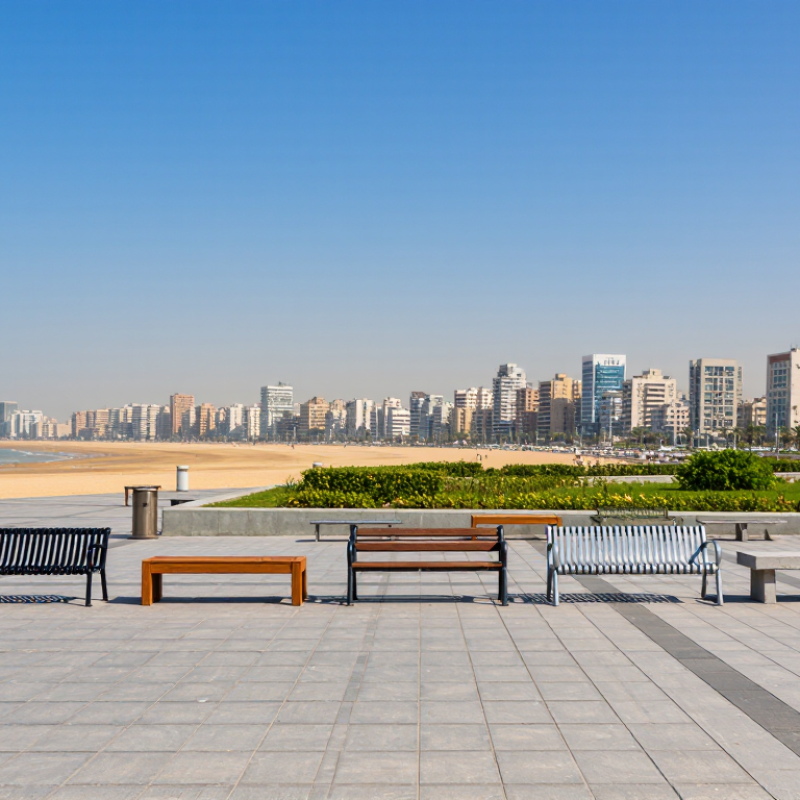
Top 10 Outdoor Bench Manufacturers for Global Buyers

Outdoor Bench Manufacturers: Industry Scope and Product Categories

Outdoor bench manufacturers serve a wider market than public parks. Their buyers include municipalities, hospitality groups, schools, landscape contractors, and residential developers. For global buyers, the industry covers design, material processing, surface treatment, packaging, and export support. A reliable manufacturer should provide drawings, load data, maintenance guidance, and consistent production records.

Product categories vary by setting and climate. Park benches commonly use steel frames with timber, aluminum, recycled plastic, or composite slats. Concrete benches suit permanent plazas, while lightweight metal benches simplify relocation. Backless benches fit transit areas and narrow walkways. Modular seating supports curved layouts, planters, tables, and wheelchair-accessible spaces. Some factories also produce memorial benches and custom-length models. Small details matter. A rough weld or poorly sealed end can collect water and shorten service life.

When comparing the top ten outdoor bench manufacturers, buyers should examine more than photographs and unit prices. Ask about salt-spray testing, coating thickness, timber moisture control, UV resistance, and replacement parts. Check whether samples match mass production. Review installation drawings and packaging strength before placing a large order. Sustainability claims also need evidence, such as recycled-content records or responsible timber documentation. One overlooked issue is local repair access. A beautiful bench becomes costly when one damaged slat requires international shipping. Specifications can miss real site conditions, especially vandalism, flooding, or extreme heat. That uncertainty deserves a practical trial order.

Key Criteria for Evaluating Global Outdoor Bench Suppliers

When evaluating outdoor bench suppliers, global buyers should inspect performance, not just attractive catalogs. Grand View Research estimated the global outdoor furniture market at about USD 19 billion in 2024, with continued growth expected through 2030. That scale increases supplier choice, but also increases quality variation.

In practical sourcing reviews, request material traceability, production samples, and independent test records. Steel benches should show corrosion testing, including salt-spray evidence aligned with ISO 9227. Wooden benches need moisture-control procedures, coating specifications, and documented species origins. Ask for load-test results based on applicable outdoor seating standards. A strong supplier should explain drainage gaps, edge finishing, UV resistance, and fastener selection clearly.

Packaging deserves equal attention. The World Bank’s Logistics Performance Index 2023 shows major differences in customs efficiency and shipment reliability across markets. Suppliers should provide carton dimensions, pallet plans, drop-test procedures, and realistic lead-time ranges. Do not accept perfect delivery promises. They are often incomplete. Compare factory capacity with seasonal order history, inspection access, and corrective-action records. Sedex industry guidance also supports risk-based supplier assessments, covering labor, environmental, and business practices. A signed policy is useful, but factory evidence matters more. Buyers sometimes overvalue low unit prices and overlook repainting, damaged corners, or missing hardware. That mistake becomes expensive after installation. Supplier evaluation is never fully objective; local climate, public use, and maintenance budgets can change the decision.

Top 10 Outdoor Bench Manufacturers and Their Core Strengths

Top 10 Outdoor Bench Manufacturers and Their Core Strengths

Global buyers now expect outdoor benches to combine durability, comfort, and responsible material choices. Mordor Intelligence projects continued growth in the outdoor furniture market through 2029. Grand View Research also identifies commercial landscaping and hospitality projects as important demand drivers. These trends reward manufacturers with focused capabilities.

The strongest supplier profiles show different advantages. One specializes in recycled plastic with low-maintenance surfaces. Another produces galvanized steel frames for coastal environments. A third focuses on hardwood joinery and repairable components. A fourth offers cast aluminum designs with strong corrosion resistance. One manufacturer excels in modular concrete benches for public spaces. Another provides contract-grade seating for hotels and campuses. A seventh is known for CNC customization and accurate dimensions. An eighth supports flat-pack shipping, reducing warehouse volume. A ninth develops accessible designs with practical seat heights and armrests. The tenth stands out through short lead times and flexible batch production.

Durability matters. Buyers should request salt-spray results, load-test records, coating specifications, and material certificates. EN 581 and relevant national standards can guide outdoor seating evaluations, but documents still require careful checking. A sample inspection should examine welds, drainage holes, edge finishing, and hidden fasteners. Details expose quality. Sustainability claims also need evidence, such as recycled-content percentages or chain-of-custody documents. Price alone remains a weak comparison. A cheaper bench may require earlier refinishing, replacement hardware, or costly freight. Even experienced buyers can overlook installation conditions. Soil movement, standing water, and intense sunlight can change performance significantly.

Top 10 Outdoor Bench Manufacturers for Global Buyers - Top 10 Outdoor Bench Manufacturers and Their Core Strengths

Rank Manufacturer Profile Primary Outdoor Bench Focus Common Construction Typical Length Seating Capacity Typical Load Rating Weather-Protection Method Core Strength
01 Profile A Municipal and public-space seating Hot-dip galvanized steel frame with hardwood or recycled-plastic slats 1,500–2,000 mm 3–4 people 300–500 kg Zinc coating, exterior powder coating, stainless-steel fixings High durability for parks, streetscapes, and transport areas
02 Profile B Architectural landscape furniture Marine-grade aluminum frame with solid timber or composite seating surfaces 1,200–2,400 mm 2–5 people 250–450 kg Anodizing or UV-resistant powder coating; concealed drainage Custom form, finish, color, and site-specific design capability
03 Profile C Recycled-material outdoor benches Recycled HDPE boards mounted on galvanized or powder-coated steel supports 1,500–1,800 mm 3–4 people 300–450 kg Non-porous boards, corrosion-resistant hardware, UV-stable pigments Low maintenance and resistance to moisture, rot, and splinters
04 Profile D Cast-metal and vandal-resistant seating Ductile iron or cast aluminum end supports with timber, metal, or composite slats 1,500–2,000 mm 3–4 people 350–600 kg Protective primer, powder coating, and tamper-resistant fasteners Robust construction for high-traffic and demanding public environments
05 Profile E Commercial and hospitality outdoor seating Aluminum or stainless-steel frame with treated wood, synthetic rattan, or compact laminate 1,200–1,800 mm 2–4 people 250–400 kg Outdoor-grade coatings, removable components, and water-shedding details Balanced appearance, comfort, and serviceability for commercial projects
06 Profile F Coastal and high-humidity applications 316 stainless steel or marine-grade aluminum with synthetic or recycled seating boards 1,500–2,400 mm 3–5 people 300–500 kg Marine-grade metal, passivation, drainage gaps, and UV-resistant surfaces Improved resistance to salt air, humidity, and frequent cleaning
07 Profile G Modular and configurable bench systems Steel or aluminum modules with optional backs, arms, planters, and tables 1,200–3,000+ mm 2–6+ people 250–500 kg Powder coating, galvanized subframes, and replaceable surface components Flexible layouts for plazas, campuses, airports, and mixed-use developments
08 Profile H Sustainable timber outdoor furniture Certified hardwood or thermally modified timber with metal structural supports 1,500–2,400 mm 3–5 people 250–450 kg Exterior oil, water-based coating, or natural weathering specification Natural appearance, renewable-material options, and landscape integration
09 Profile I Accessible and inclusive public seating Metal or timber bench with backrest, armrests, and contrasting edge details 1,500–2,000 mm 3–4 people 300–500 kg Weather-resistant coating, rounded edges, and stable ground anchoring Ergonomic design supporting easier sitting, standing, and long-term comfort
10 Profile J Large-volume export and project supply Standardized steel or aluminum frames with wood, metal, or recycled-plastic slats 1,200–2,400 mm 2–5 people 250–500 kg Galvanizing or powder coating with export packaging and assembly options Repeatable production, container planning, and private-label project flexibility

Note: Dimensions, capacities, and load ratings represent common specification ranges for comparable outdoor bench products. Final values should be confirmed against the manufacturer’s drawings, test reports, installation method, and project requirements.

Materials, Designs, Certifications, and Customization Options

Top 10 Outdoor Bench Manufacturers for Global Buyers

Material selection determines an outdoor bench’s service life. Powder-coated steel offers strength, while aluminum reduces transport weight and corrosion risks. Stainless steel performs well near coasts, especially in 316 grade. Recycled HDPE resists moisture, insects, and splintering. Timber feels warmer, but buyers should verify FSC chain-of-custody documentation and the treatment process. A beautiful sample can still warp after one wet season.

Design affects comfort and maintenance. Look for rounded edges, stable feet, concealed drainage, and replaceable slats. Backrests, armrests, and wheelchair-friendly clearances can improve public access. Manufacturers may adjust seat height, length, color, logo placement, and anchoring systems. Some also provide modular benches, planter combinations, and solar lighting integration. Custom work sounds attractive. However, every change should receive a revised drawing and load-test confirmation.

Reliable suppliers explain their testing rather than using vague claims. Request ISO 9001 quality records, material certificates, coating specifications, and relevant outdoor furniture test reports, such as EN 581 where applicable. Salt-spray results can indicate coating performance, but they do not predict every climate. Ask for UV, load, drainage, and fastener tests too. Samples should match mass-production materials. This is often overlooked. For international projects, confirm packaging strength, spare-part availability, installation guides, and warranty exclusions. Certification requirements differ by destination, so independent verification remains sensible.

How Global Buyers Can Compare and Select the Right Manufacturer

Global buyers comparing outdoor bench manufacturers should inspect more than photographs and quoted prices. Start with material specifications, production capacity, and documented quality procedures. Ask whether frames use treated steel, aluminum, hardwood, or recycled composites. Each option behaves differently under rain, sunlight, salt air, and freezing temperatures.

Request a physical sample before approving a large order. Check welds, edges, drainage holes, coating thickness, and seat stability by hand. A reliable manufacturer should explain test methods, maintenance needs, and expected service life clearly. Factory audits can reveal storage problems, inconsistent finishing, or weak packaging. Visit in person when possible. Video inspections help, but they miss small details. Sometimes the sample looks excellent while bulk production changes. This risk deserves written controls.

Compare the complete landed cost, including tooling, inspection, freight, spare parts, and replacement rates. Confirm lead times during peak seasons, not only in quiet months. Review warranty terms carefully, especially exclusions for coastal corrosion or improper installation. Ask for references from buyers with similar climates and project sizes. Communication speed also matters. Delayed answers can become delayed shipments. Price remains tempting. However, the cheapest offer may carry higher maintenance costs. One practical weakness in many evaluations is overvaluing appearance while underchecking repair support. A manufacturer worth selecting should provide consistent records, realistic claims, and a clear response when something goes wrong.

How Global Buyers Can Compare and Select the Right Outdoor Bench Manufacturer

For a practical comparison, buyers can prioritize durability, weather resistance, compliance, customization, delivery reliability, and total cost. The weighting below represents a procurement scorecard totaling 100%.

Durability and weather resistance receive the highest weight because outdoor benches must withstand repeated exposure to rain, ultraviolet radiation, temperature changes, and frequent public use. Compliance, customization, delivery performance, and total cost help buyers assess supply risk and long-term value.

Scroll to Top