Who Are the Top Self Adhesive Bandage Suppliers in China?
Choosing a reliable Self Adhesive Bandage supplier takes more than comparing prices. Buyers need to examine product consistency, material details, packaging, and communication. A roll should unwind evenly, cling to itself without sticking strongly to skin or hair, and stay secure during normal movement. Small differences matter.
This guide compares Chinese suppliers through practical checkpoints: product range, manufacturing information, customization options, quality documentation, and export experience. It also considers how clearly suppliers explain stretch, dimensions, color choices, and intended applications. A polished catalogue is useful. It is not proof of dependable production. Ask for current specifications and representative samples before making larger purchasing decisions.
No source material or verified quotation was provided, so I will not invent a statement or attribute one to a named expert. That restraint matters in a product category connected to care and comfort. Supplier claims deserve the same scrutiny as product samples. Check what is documented, and note what remains unclear. This overview is a starting point, not a substitute for independent evaluation. Some supplier details may change, and public information can be incomplete. A careful comparison helps buyers identify credible options while avoiding assumptions based on a website or a single sales conversation.
What Self-Adhesive Bandages Are and How They Are Used
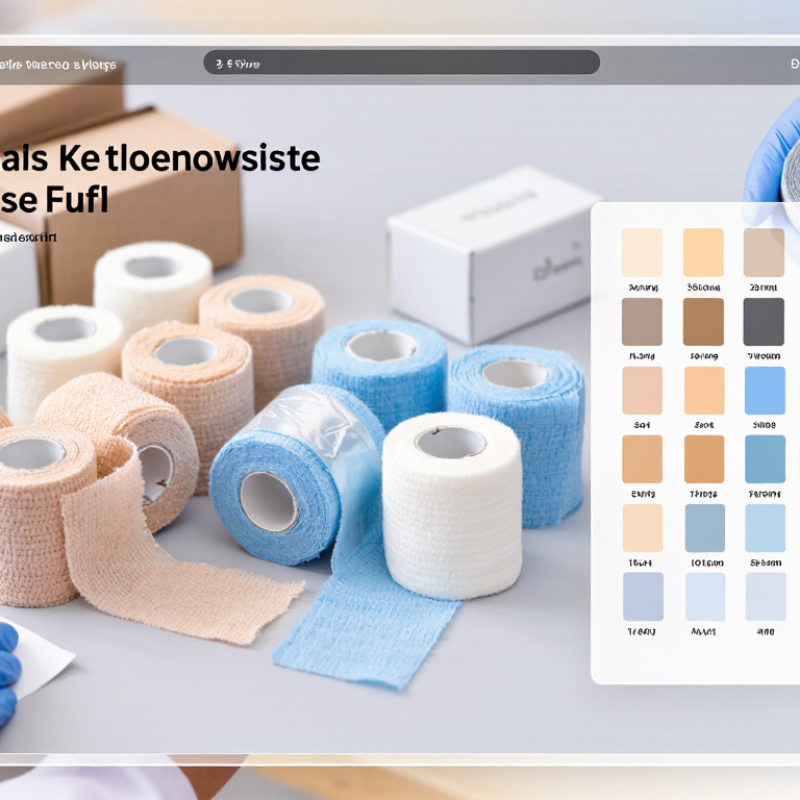
A self-adhesive bandage is an elastic wrap that clings to itself, not directly to skin or hair. Its layers usually contain stretchable fabric and a cohesive coating. Pressing one layer against another helps keep the wrap in place. That distinction matters. Unlike ordinary adhesive tape, it can be repositioned without leaving sticky residue on the skin.
People use these wraps to hold dressings in place or provide light support around areas such as a wrist or ankle. To apply one, start with clean, dry skin and unwind the material gently. Overlap each turn by about half the bandage’s width, keeping the tension even. It should feel secure, not tight. A common mistake is pulling harder near the end, which can create uncomfortable pressure.
Check the skin beyond the wrap for normal color, warmth, and sensation. Loosen or remove it if fingers or toes become numb, cold, swollen, or discolored. The wrap can feel reassuring, but that feeling does not confirm that an injury is minor. Persistent pain or swelling deserves professional assessment. When comparing suppliers, ask about consistent stretch, material details, and clear application instructions. Small differences are noticeable in use.
How to Assess Self-Adhesive Bandage Suppliers in China
When assessing self-adhesive bandage suppliers in China, look beyond catalog photos and quoted prices. Ask whether the supplier manufactures the product or uses subcontractors. Request current specifications, material details, and quality-system documents. Check that certificates are valid and cover the relevant production site. A logo on a PDF proves little.
Test samples on skin and under realistic conditions. Check whether the bandage stretches evenly, stays secure during movement, and removes without excessive discomfort. Compare samples from different production batches when possible. Ask how the supplier controls adhesive application, fabric tension, and packaging seals. Small inconsistencies matter. A sample can be excellent while routine production varies.
Review batch records, traceability, complaint handling, and the process for replacing defective goods. Ask for clear lead times and written confirmation of product changes. A live factory visit or independent audit can help verify capacity and working procedures, though neither guarantees perfect quality. No checklist is perfect. Supplier assessment takes judgment, and a polished presentation should not replace documented evidence.
Leading Self-Adhesive Bandage Suppliers in China
Leading self-adhesive bandage suppliers in China are best judged by product consistency, material choices, and clear communication. A dependable supplier should explain how the bandage gains cohesion without sticking strongly to skin or hair. Ask for details on fabric composition, stretch, width options, and packaging. These affect comfort and handling.
Look closely at samples. Pull a strip gently, wrap it around a wrist-sized object, and check whether it holds without unraveling or feeling overly tight. Small details matter. Request quality records and ask how production batches are checked for dimensions, appearance, and packaging condition. A supplier that answers specific questions clearly is easier to assess than one offering broad claims alone. Even a polished sample can hide variation between batches, so review more than one production lot when possible. That step takes time, and smaller buyers may not always manage it. Still, it can reveal differences in stretch, edge finish, or adhesive performance before a larger order. Compare lead times and sample results alongside price, rather than treating the lowest quotation as the strongest offer.
How to Select a Supplier for Your Business Needs
Who Are the Top Self Adhesive Bandage Suppliers in China?
How to Select a Supplier for Your Business Needs
Choosing a self adhesive bandage supplier in China starts with matching product performance to your intended use. Ask about material, width, stretch, adhesion, and whether the bandage sticks to itself without clinging to skin or hair. Request samples in the exact size and packaging you plan to order. Test them during movement and after light perspiration; a neat sample on a desk tells only part of the story.
Review the supplier’s quality checks, production capacity, lead times, and batch records. Ask for relevant product documentation and confirm that it suits your destination market’s requirements. Clear answers matter. A polished catalog alone is not proof of consistent production. Discuss how defects are handled and whether pre-shipment inspections are possible. Even a careful review cannot predict every variation, so plan a small incoming inspection for each delivery.
Tips: Compare samples from several suppliers using the same simple test: apply each bandage, stretch it gently, and check whether it stays secure. Confirm minimum order quantities and packaging details in writing. Keep communication direct, and allow time for revisions; I would not assume the first sample represents every future batch.