2025 Top Trends in Commercial Glass Applications for Modern Architecture
The architectural landscape is rapidly evolving, with commercial glass taking center stage as a key material in modern design. As we approach 2025, emerging trends in the use of commercial glass are shaping the way we perceive and interact with buildings. Renowned architect and commercial glass expert, Dr. Emma Fisher, emphasizes the transformative potential of this material, stating, "Commercial glass not only enhances aesthetics but also plays a crucial role in energy efficiency and sustainability in architecture."
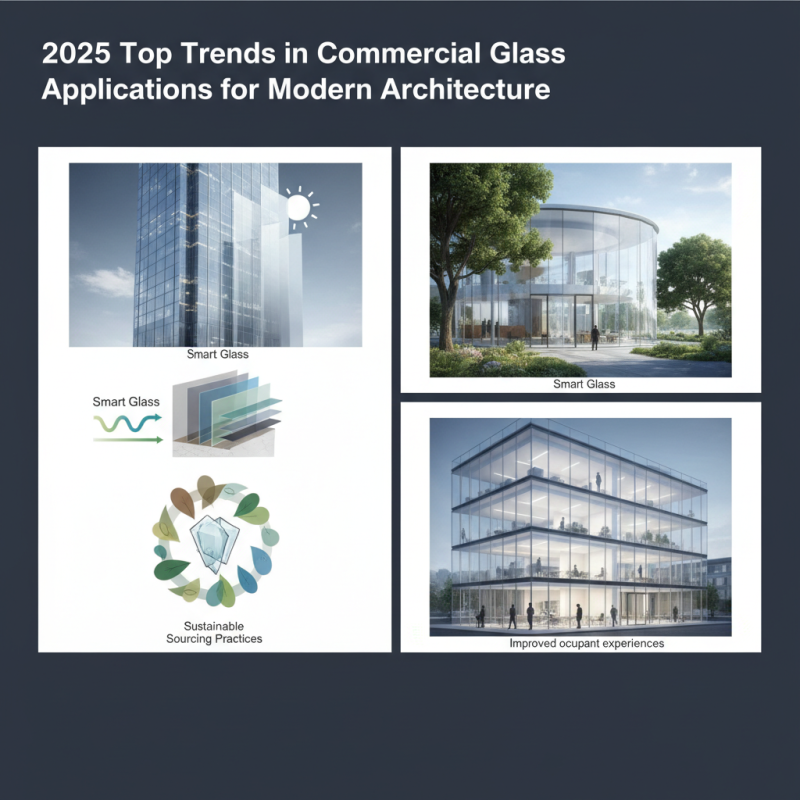
Incorporating commercial glass into architectural designs allows for increased natural light, improved occupant experiences, and innovative layouts that blend indoor and outdoor spaces. As industries advance, architects are exploring new technologies and applications that further expand the possibilities of commercial glass in their projects. The integration of smart glass, advanced insulating capabilities, and sustainable sourcing practices will define the future of architecture and construction.
As we look ahead to 2025, it becomes evident that commercial glass is not merely a functional building component but a pivotal element in the conceptualization of modern architecture. By harnessing its attributes, architects are poised to create spaces that are not only visually striking but also environmentally responsible, ensuring that the impact of our built environment aligns with the values of sustainability and innovation.
Emerging Innovations in Commercial Glass Technologies for 2025
As we approach 2025, the realm of commercial glass applications in modern architecture is poised for significant transformation. Emerging innovations are driving the development of advanced glass technologies that enhance both aesthetic appeal and functionality. One notable trend is the integration of smart glass solutions, which can adjust transparency and insulation properties in response to environmental conditions. This technology not only improves energy efficiency but also creates dynamic facades that adapt to changing light levels, enhancing the occupant experience while reducing HVAC costs.
Another exciting advancement is the use of sustainable glass materials, including recycled content and low-emission coatings. These innovations align with the increasing demand for environmentally responsible building practices. By incorporating these sustainable options, architects can design structures that are not only visually striking but also contribute positively to the ecological footprint. Furthermore, the development of impact-resistant and self-cleaning glass technologies exemplifies the shift towards materials that prioritize durability and maintenance ease, positioning commercial buildings for longevity and enhanced safety in urban environments.
2025 Top Trends in Commercial Glass Applications for Modern Architecture
Sustainable Practices in Glass Production for Eco-Friendly Architecture
The architectural landscape is evolving, with a growing emphasis on
sustainability not just
in design but also in the materials used. Glass production has traditionally
been resource-intensive, but advancements in technology and methods are
paving the way for more eco-friendly practices. The focus on sustainable glass
production involves utilizing recycled materials,
reducing energy consumption, and minimizing waste during manufacturing. This shift
not only reduces the carbon footprint of construction projects but also promotes
a circular economy, where materials are reused
rather than discarded.
Innovative practices such as the development of low-emissivity coatings and
lightweight glass are also becoming increasingly prevalent, allowing for
better thermal performance
and energy efficiency. By
harnessing these technologies, architects can create buildings with large glass
facades that maximize natural light while minimizing heat loss, leading to lower
energy costs. Furthermore, the integration of smart glass,
which can adjust its properties based on environmental conditions, enhances both
comfort and sustainability. As we
move toward a greener future, the architectural community is redefining the role
of glass not just as a design element but as a crucial component in creating
environmentally responsible structures.
Applications of Smart Glass in Modern Building Design
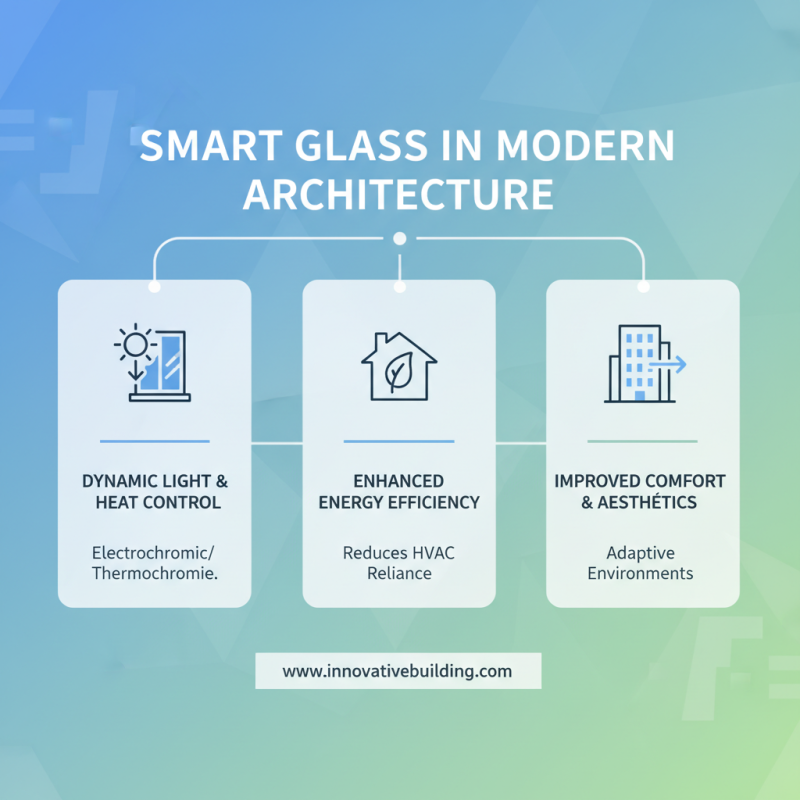
The integration of smart glass in modern building design has revolutionized the architectural landscape, offering innovative solutions that enhance functionality, aesthetics, and energy efficiency. Smart glass technology enables the manipulation of light and heat, making environments more comfortable while reducing energy costs. By utilizing electrochromic or thermochromic glass, architects can create facades that respond dynamically to sunlight, automatically tinting to block excessive heat during peak hours or allowing maximum light penetration when needed. This adaptability optimizes the indoor climate while minimizing reliance on HVAC systems.
Moreover, the use of smart glass extends beyond energy efficiency; it also enhances privacy and security in commercial spaces. Switchable glass can transform from transparent to opaque with the push of a button, allowing for versatile space usage without compromising on privacy. This feature is particularly beneficial in office environments, conference rooms, and even residential applications, where the need for discretion can change throughout the day. As urban designs continue to evolve toward sustainability and smart technology integration, the role of smart glass in modern architecture will only grow, serving as a vital component in creating innovative, adaptive, and environmentally friendly spaces.
Trends in Aesthetic Glass Finishes and Textures for Contemporary Spaces
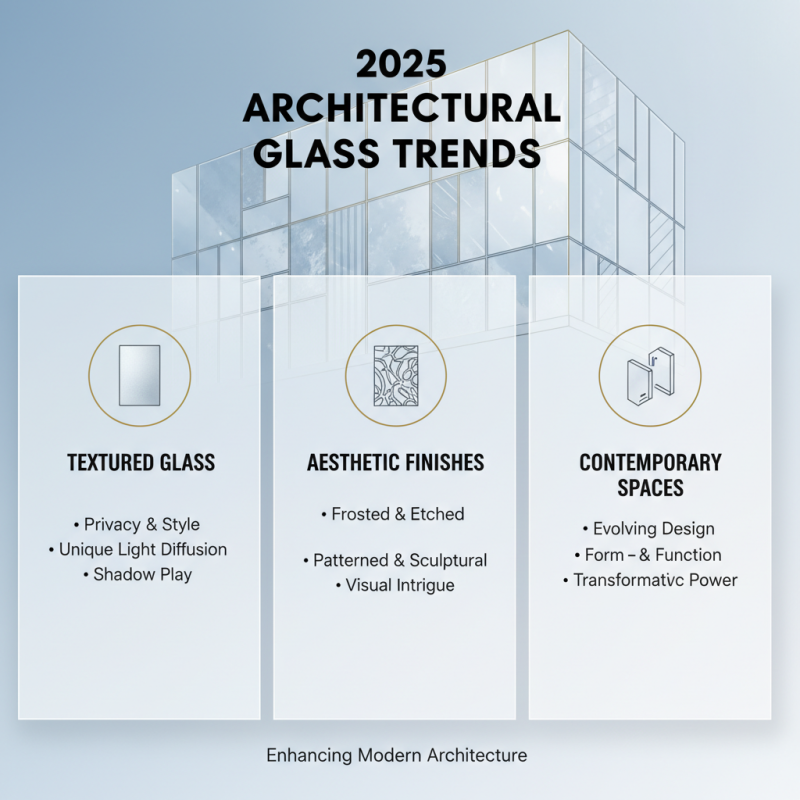
The realm of architectural design is continuously evolving, and aesthetic glass finishes and textures are becoming essential elements in creating contemporary spaces. As we approach 2025, trends indicate a growing preference for glass that not only serves functional purposes but also enhances visual appeal. Textured glass, which provides both privacy and design intrigue, is gaining popularity. Designs may include frosted, patterned, or etched finishes that create unique light diffusions and shadows, transforming ordinary spaces into extraordinary environments.
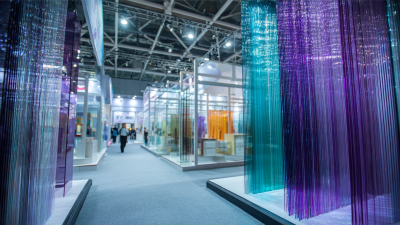
Moreover, the interplay between light and glass is being redefined through innovative finishes. Reflective surfaces, such as mirror-like glass, are being used to amplify natural light, creating an illusion of spaciousness and depth. This reflection can enhance the aesthetic quality of interiors, allowing spaces to feel airy and expansive. Additionally, color-treated glass is emerging as a trend, enabling architects to incorporate vibrant hues into their designs, fostering dynamic atmospheres. These evolving trends in glass applications are set to redefine the aesthetic landscape of modern architecture, creating spaces that are not only functional but also artistically inspiring.
Enhanced Energy Efficiency Solutions with Advanced Glass Systems
In recent years, the architectural landscape has dramatically shifted towards
sustainability, with enhanced energy
efficiency becoming a primary focus. Advanced glass systems are at the
forefront of this transformation, offering innovative solutions that significantly
reduce energy consumption. According to a report by the U.S. Department of Energy,
high-performance glazing can reduce heating and cooling costs by up to
30%, showcasing the tremendous potential
of modern glass technologies in commercial applications.
The integration of advanced glass systems featuring low-emissivity coatings
and insulating properties allows buildings to maintain optimal interior
temperatures while minimizing reliance on artificial heating and cooling. A
2022 market analysis by Global Industry Analysts projected the energy-efficient
glass market to reach over $55 billion by
2027, indicating a robust shift toward these technologies within the industry.
Given that buildings account for approximately 40%
of total energy consumption worldwide, the impact of adopting advanced glass
systems in commercial architecture is far-reaching. This focus not only aids
in regulatory compliance with energy efficiency standards but also enhances
overall occupant comfort and productivity.
Moreover, architectural designs are increasingly leveraging
smart glass technologies
that allow dynamic control of light transmission and heat gain. For instance,
electrochromic glass can adapt to changing environmental conditions, providing
optimal daylighting while reducing glare and heat build-up. This capability not
only augments aesthetic appeal but also exemplifies how advanced glass systems
are redefining energy efficiency in modern architecture, paving the way for
more sustainable urban development.