What is a Uav Drone Jammer and How Does It Work?
The rise of UAV technology has brought significant advancements and challenges. Among these new developments, the Uav Drone Jammer has emerged as a crucial tool for mitigating potential threats. These devices can disrupt the communication signals of drones, often used for monitoring or surveillance. This capability raises vital questions about their effectiveness and ethical implications.
UAV drone jammers work by emitting signals that interfere with the drone's control system. When the connection is lost, the drone may land or return to its launch point. This technology is particularly useful in protecting sensitive areas from unauthorized drone activity. However, there are concerns regarding reliability and the potential for unintended consequences. For example, not all jammers are created equal. Some may fail in specific environments, leading to security breaches.
As we explore the intricacies of UAV drone jammers, it is essential to consider both the benefits and the risks associated with their use. The value these devices bring to security efforts cannot be overstated. Nonetheless, the possibility of interference with legitimate drone operations prompts a re-evaluation of their deployment. Balancing security needs with technological responsibility is more important than ever.
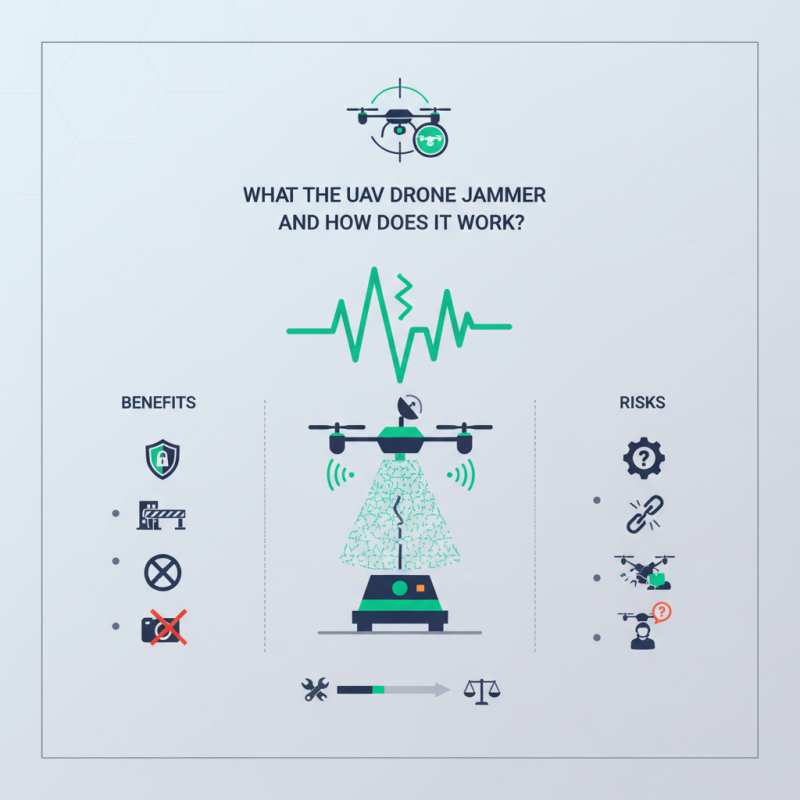
What is a UAV Drone Jammer?
UAV drone jammers are devices designed to disrupt the communication signals between a drone and its operator. These jammers can interfere with both GPS and radio frequency signals. When a jammer is activated, it emits radio waves on the same frequency used by the drone. Consequently, the drone loses its connection to the controller, which can lead to the drone landing safely or becoming uncontrollable.
The technology behind UAV drone jammers can be intricate. Some jammers target specific frequencies to minimize interference. This precision allows for effective disruption without affecting other devices in the vicinity. However, the effectiveness of these devices can vary based on several factors, including the drone's technology and environmental conditions. Users should consider their operational environment carefully.
While UAV jammers can provide a level of protection, they are not infallible. Drones equipped with advanced features may not be easily disrupted. Additionally, there can be collateral effects on nearby electronics. Users must navigate these complexities, balancing operational needs with potential risks. The use of such technology raises important questions about accountability and the safety of nearby individuals.
The Importance of UAV Drone Jammers in Modern Security
UAV drone jammers play a crucial role in modern security. These devices can interrupt the signal between a drone and its operator. As drone technology advances, so do the threats they pose. Unauthorized drones can invade privacy or disrupt events. This is why a jamming solution is vital for many security professionals.
Effective jamming systems can provide a shield against potential risks. They work by emitting signals that disrupt communication links. This can prevent drones from carrying out malicious tasks. Security personnel need to understand how to deploy these tools properly. Using jammers requires training and expertise. Inexperienced use might lead to unintended consequences.
The importance of UAV drone jammers cannot be overstated. They are essential for protecting sensitive locations. However, not all situations are clear-cut. Sometimes, the effectiveness of jammers can be influenced by environmental factors. This raises questions about their reliability in certain scenarios. Security teams must continually assess their strategies to ensure optimal protection.
What is a Uav Drone Jammer and How Does It Work? - The Importance of UAV Drone Jammers in Modern Security
| Dimension | Description |
| Type of Jammer | RF Jammer, GPS Jammer, Drone Signal Interference |
| Frequency Range | 2.4 GHz - 5.8 GHz (common UAV frequencies) |
| Effective Range | Up to 1 km (depending on device specifications) |
| Applications | Military Surveillance, Event Security, Protection of Sensitive Areas |
| Power Supply | Battery Operated, AC Power Supply |
| Legal Status | Varies by country; often restricted for civilian use |
| Manufacturer Focus | Security Agencies, Military Contractors, Research Institutions |
How UAV Drone Jammers Operate: Technical Overview
UAV drone jammers are devices designed to disrupt the communication between a drone and its operator. They operate by emitting signals on the same frequency that drones use for control and navigation. When these signals are transmitted, they create interference, blocking the drone from receiving commands. This can lead to the drone losing its ability to navigate, causing it to land or return to its starting point automatically.
Effective UAV jammers utilize advanced technologies to detect and pinpoint drone signals. They need precise tuning to ensure effective disruption while minimizing collateral effects on other communications. Many systems employ a directional approach, focusing their jamming power towards the drone's specific location. This enhances the jamming effect while protecting nearby users.
Tip: Always research local regulations regarding the use of jammers. Ensuring compliance is crucial to avoid potential legal issues.
While UAV jammers can be highly effective, their use does raise ethical considerations. Disrupting drone operations may unintentionally affect legitimate users. Understanding the operational environment is essential. Each situation may require a tailored approach to jamming to achieve desired outcomes without unintended consequences.
Tip: Conduct a risk assessment before deploying a jamming tool. Consider the potential impacts on other aerial operations in the vicinity.
Types of UAV Drone Jammers Available in the Market
UAV drone jammers come in various types, each designed for specific situations. These devices disrupt communication between drones and their operators. Some commonly available jammers include handheld devices, vehicle-mounted jammers, and portable units. Handheld jammers are lightweight and easy to use, making them suitable for personal security. Vehicle-mounted jammers are powerful and ideal for larger areas, often used by law enforcement.
Another category is portable jammers, which can be deployed quickly in various environments. They are essential for protecting sensitive locations such as military bases and government buildings. Each type has unique features and ranges, catering to different operational needs. Users must consider factors like frequency compatibility and operational distance when selecting a jammer.
However, finding the right balance between effectiveness and compliance can be challenging. Regulations vary significantly across regions. Some users may prioritize power over legal considerations, leading to potential misuse. Understanding the implications of jammer use is crucial for responsible operation. Selecting a device requires careful thought about legal and ethical responsibilities.
Legal and Ethical Considerations Surrounding Drone Jamming
Drone jammers present a complex legal and ethical landscape. The use of these devices raises significant questions about privacy and airspace rights. They disrupt communication between UAVs and their operators, which can lead to unintended consequences. For instance, a report from the Federal Aviation Administration (FAA) indicates that unauthorized jamming can interfere with emergency services and public safety operations.
In many jurisdictions, jamming signals is illegal, reflecting the need for an established framework. Ethical concerns arise regarding the potential misuse of jammers. While some argue for their use to prevent criminal activities, others caution against infringing on legitimate drone operations. A study by the International Journal of Aviation acknowledges the balance that must be struck between security and civil liberties.
Tips: If you are considering using a drone jammer, first explore legal frameworks in your region. Assess the potential impact on both local air traffic and privacy rights. Always prioritize compliance to avoid repercussions. The complexities of drone jamming make it essential to remain informed and responsible.