What Is a Commercial Glass Door?
A commercial glass door is an entrance system designed for frequent use in places such as offices, shops, clinics, and hotels. It combines glass panels with a frame, hinges or sliding hardware, handles, and locking components. Some doors are manually operated; others use powered operators. The right choice depends on traffic, access needs, privacy, and the surrounding building—not appearance alone.
Architect Ludwig Mies van der Rohe’s well-known principle, “Less is more,” offers a useful lens for understanding the design. A clear glass entrance can make a lobby feel open and bring daylight toward the reception desk. But the simple look can hide important details: glass specification, hardware strength, door alignment, and maintenance needs. Looks can mislead.
A commercial glass door is not just a pane in a frame. Its materials and configuration affect durability, comfort, visibility, and day-to-day operation. For example, a busy storefront may need different hardware from a quiet office entrance. I’ll admit, glass can seem like an easy design choice until fingerprints, glare, or a difficult-to-open door become daily frustrations. Those details matter. This overview explains the main door types, common components, benefits, limitations, and selection factors. It also distinguishes general guidance from project-specific advice: final choices should be checked against the building’s use, site conditions, and applicable requirements. A polished entrance is valuable, but reliable performance is what people notice every day.
Definition and Purpose of a Commercial Glass Door
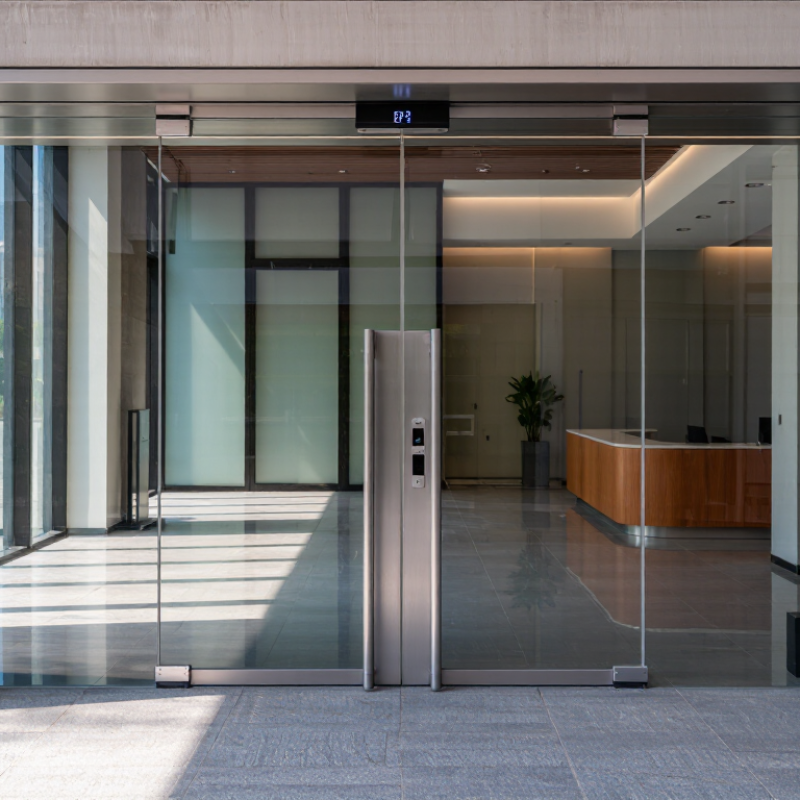
A commercial glass door is a glazed entrance built for regular use in workplaces, shops, clinics, and other public-facing buildings. It may be hinged or sliding, manual or automatic, and framed or nearly frameless. Its purpose is practical: control access while letting people see the space beyond. Clear sightlines help visitors find an entrance and let staff notice activity near the threshold. Useful, but not a substitute for security or supervision.
The U.S. Energy Information Administration’s 2018 Commercial Buildings Energy Consumption Survey counted about 5.9 million commercial buildings, totaling roughly 96 billion square feet. That scale matters: entrances are small parts of large buildings, yet they shape daily movement and connect indoor spaces with outdoor conditions. Glazing, seals, framing, and installation all affect comfort and heat transfer. A glass door alone does not make an entrance energy-efficient.
A good specification considers traffic, accessibility, privacy, weather exposure, and the risk of impact. Safety glazing may be appropriate where people could strike the glass, but the right choice depends on the opening and local requirements. Details matter. A poorly adjusted closer can slam; a worn seal can leave a cold draft at ankle level. Glass looks simple. The assembly is not.
Main Components and Materials
A commercial glass door is an assembly, not simply a pane in a frame. Its main parts include glass panels, vertical stiles, top and bottom rails, hinges or pivots, a closer, seals, and a threshold. Each part affects operation. A door that swings smoothly but leaks air is still a poor fit.
Glass may be tempered for impact resistance or laminated, with a plastic interlayer that helps hold fragments together if it breaks. Insulated glass combines panes with a sealed air or gas space; it can reduce heat transfer, depending on its construction. Frames are commonly aluminum, valued for its low weight and corrosion resistance, or steel, which is stronger but heavier. Gaskets and brush seals close small gaps around the edges. Easy to overlook.
Hardware deserves careful attention. A closer controls the swing, while pivots or hinges carry the door’s weight. The threshold and seals help limit drafts and water entry, but worn seals can undermine an otherwise well-built assembly. The International Energy Agency reported in 2023 that buildings account for about 30% of global final energy consumption. That figure is not specific to doors; it does underline why envelope details matter. A clear panel alone tells you little about how the complete entrance will perform.
Common Types of Commercial Glass Doors
What Is a Commercial Glass Door?
Common Types of Commercial Glass Doors
Commercial glass doors appear in storefronts, offices, clinics, and restaurants. Their clear panels bring daylight into busy entrances, but the right style depends on traffic, space, and privacy needs. A door that looks elegant can still feel awkward during a lunch rush.
Hinged doors are familiar and easy to recognize. They swing inward or outward, so the entrance needs enough clear floor space. Sliding glass doors save room and work well where people pass steadily, though their tracks need regular cleaning. Automatic sliding doors reduce effort for customers carrying bags or using mobility aids. They need professional installation and routine checks. Small details matter.
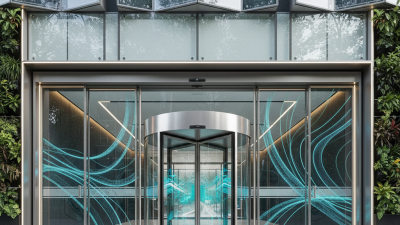
Storefront systems often pair a glass door with fixed glass panels, creating a wide, bright entrance. Folding glass doors can open a larger section of a frontage, but their moving panels require careful alignment. Revolving doors help manage steady pedestrian flow in some large buildings, though they are not suitable for every visitor or entrance. Fit is personal. Glass may be tempered or laminated, depending on the application and relevant safety requirements. Look closely at hardware, seals, visibility markings, and how the door behaves in daily use. The best choice is not always the most impressive one; sometimes a quieter, simpler door proves easier to maintain.
How Commercial Glass Doors Operate
What Is a Commercial Glass Door?
How Commercial Glass Doors Operate
A commercial glass door works through coordinated hardware, framing, and controls. A manual swing door turns on hinges or floor pivots; a closer brings it back toward the frame after someone passes. Sliding doors use tracks and rollers, while automatic models add a motor, activation sensor, and safety sensors that detect movement near the opening. The glass stays fixed within its frame as these parts guide the door’s movement.
Small details matter. A misaligned closer can make a door slam, while worn seals may let drafts pass around the edges. Automatic doors also need clear sensor coverage, especially where carts or mobility devices approach.
ANSI/BHMA A156.10 sets performance and safety requirements for power-operated pedestrian doors. For energy context, the U.S. Energy Information Administration’s 2018 Commercial Buildings Energy Consumption Survey reports that commercial buildings used 6.8 quadrillion Btu. That figure covers whole buildings, not doors specifically.
That distinction matters. A door’s actual energy impact depends on traffic, climate, maintenance, and how well it closes. Even a small gap can be noticeable on a windy day.
Typical Applications and Key Selection Factors
Commercial glass doors serve retail shops, offices, cafés, clinics, and other busy spaces. A clear entrance lets daylight reach the interior and helps visitors spot the doorway from the sidewalk. In a shop, a wide opening can make deliveries easier; in an office, a controlled entry can guide visitors toward reception. Daily traffic matters. A door that works well for a quiet studio may feel slow during a lunch rush.
Selection starts with the opening size, traffic level, and indoor or outdoor location. Match the door’s swing or sliding action to the available floor space and nearby furniture. Choose suitable safety glazing and sturdy hardware, then check cleaning needs, weather exposure, privacy, and access requirements. Frame material affects durability and maintenance. Measure the finished opening carefully, including floor clearance; small errors can lead to costly adjustments. There is no perfect configuration, and appearance can distract from practical details. That is easy to overlook.
Tips: Watch the entrance during a busy period before choosing hardware. Note queues, carts, and drafts. Confirm measurements on site, and ask a qualified installer to assess the opening and local requirements. Keep the glass easy to clean. Fingerprints show quickly.