
Contact Us

Filter Close

NEWS at Quanex

See the latest news, posts and events from Quanex about our business, the industry, our people and more.

Why Choose Stainless Steel Pipe?

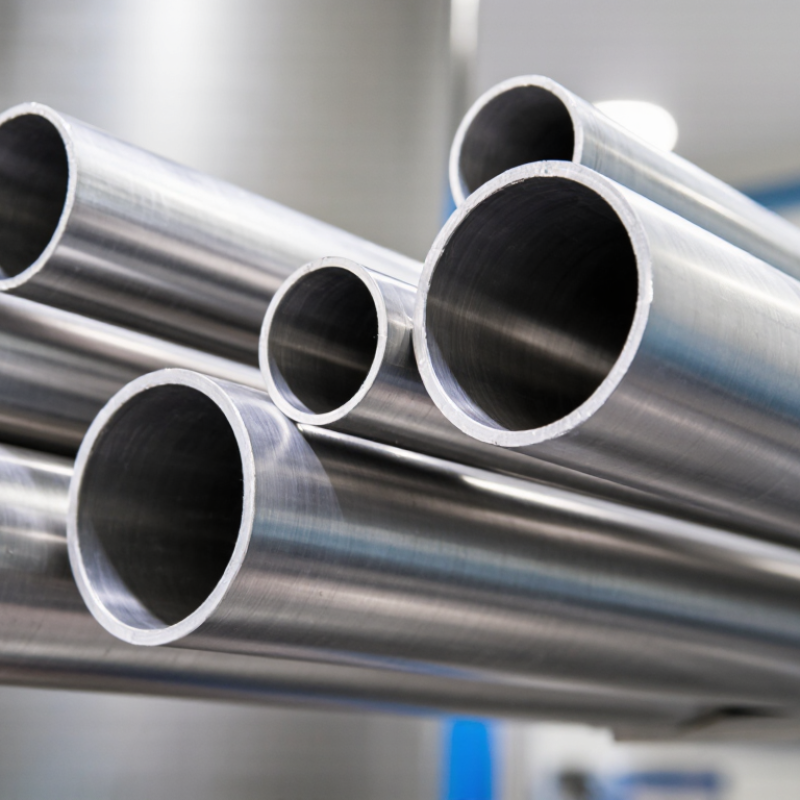
Stainless Steel Pipe is widely used where strength, corrosion resistance, and cleanable surfaces matter. You may find it in water systems, food-processing equipment, building services, and industrial plants. Its smooth, metallic surface can look reassuring, but appearance alone says little about whether a pipe suits a specific job.

In practice, performance depends on more than the material name. The stainless steel grade, wall thickness, temperature, pressure, and substances moving through the pipe all matter. A pipe exposed to salt, cleaning chemicals, or changing temperatures may need a different specification from one carrying ordinary water indoors. Connections matter, too. Poor welding or unsuitable fittings can weaken an otherwise well-chosen system.

Details count.

Stainless steel can offer a long service life, but it is not immune to corrosion or installation problems. Choosing a higher-cost grade without checking actual operating conditions may add expense without improving performance. The reverse mistake is possible as well: selecting a grade that cannot tolerate the environment may lead to repairs, leaks, or early replacement. That trade-off is easy to overlook when comparing products by price alone.

This guide explains why stainless steel pipe is chosen and what to check before specifying it. It looks at durability, hygiene, maintenance, and cost in practical terms. No single pipe is right for every project. Careful selection starts with the fluid, the surroundings, and the demands placed on the system.
Why Choose Stainless Steel Pipe?

What Stainless Steel Pipe Is and How It Is Made

Why Choose Stainless Steel Pipe?

What Stainless Steel Pipe Is and How It Is Made

Stainless steel pipe is a hollow product made from an iron-based alloy containing chromium. Chromium helps form a thin protective surface layer when exposed to oxygen. Other elements, such as nickel or molybdenum, may be added to improve formability or resistance to particular environments. The exact alloy matters. A pipe suited to a dry indoor system may not perform as well near saltwater or process chemicals.

Manufacturers typically melt and refine the alloy, then shape it into pipe. Welded pipe starts as flat strip or plate, formed into a tube and joined along a seam. Seamless pipe is made from a solid billet that is pierced and shaped. Both routes involve finishing steps, which may include heat treatment, surface cleaning, and dimensional inspection. Processes vary by grade and specification. I would not assume “stainless” means maintenance-free; deposits and poor drainage can still cause problems.

Tips: Match the grade to the fluid, temperature, and surroundings. Check wall thickness, outside diameter, and applicable test records before installation. Look closely at cut ends and weld areas for damage. Keep surfaces clean, and avoid letting water sit around supports. Small details matter. A specification sheet is useful, but site conditions deserve a second look.

How Its Composition Influences Strength and Corrosion Resistance

Why Choose Stainless Steel Pipe?
How Its Composition Influences Strength and Corrosion Resistance

Stainless steel’s performance starts with its alloy recipe. In common Type 304, chromium makes up 18–20% of the alloy, while nickel makes up 8–10.5%, according to ASTM A240/A240M. Chromium helps form a thin, self-renewing passive film on the surface. Think of it as an invisible shield, not an invulnerable coating. If the pipe is scratched or exposed to unsuitable chemicals, corrosion can still occur. ASTM A240/A240M also specifies minimum tensile strength of 515 MPa for Type 304 plate. Pipe performance, however, depends on manufacturing and dimensions too.

Adding molybdenum makes Type 316 more resistant to pitting, especially in chloride-rich settings such as coastal air or process water. Its composition typically includes 2–3% molybdenum under ASTM A240/A240M. That improvement is useful, but not magic. Temperature, weld quality, deposits, and cleaning practices also affect service life. A sound alloy choice cannot compensate for a poor installation. That part is easy to overlook.

Tips: Match the grade to the fluid, temperature, and cleaning chemicals. Check the mill certificate and confirm the specified grade before installation. If chloride exposure is high, ask a corrosion specialist whether 316 is sufficient.

Why Choose Stainless Steel Pipe? How Composition Influences Strength and Corrosion Resistance

This comparison shows specified minimum yield strength for common stainless steel pipe grades alongside indicative Pitting Resistance Equivalent Numbers (PREN). PREN is estimated from representative chemistry using Cr + 3.3 × Mo + 16 × N; it is a comparative indicator, not a corrosion-life guarantee. Chromium helps form the protective passive layer, molybdenum improves resistance to chloride pitting, and duplex 2205’s alloy balance and microstructure provide higher strength.

Yield-strength values are minimums in MPa for the listed pipe grades under ASTM A312. PREN values are approximate and can vary with the actual chemistry and product specification. Select a grade for the service environment and applicable design requirements.

Where Stainless Steel Pipe Is Commonly Used

Stainless steel pipe serves many industries because it can resist corrosion, handle demanding temperatures, and support cleanable systems. Its performance depends on the grade, wall thickness, and process conditions. The fit matters.

In food and beverage plants, pipe carries milk, brewing ingredients, wash water, and chilled liquids. Smooth internal surfaces help reduce residue traps and simplify cleaning. In pharmaceutical facilities, carefully specified piping can move purified water and process fluids. Weld quality and surface finish matter here; small defects may complicate sanitation. Not everywhere.

Water treatment plants use stainless steel pipe for filtration equipment, distribution lines, and areas exposed to moisture or treatment chemicals. In buildings, it may serve plumbing, heating, and cooling systems, especially where durability and a neat installation are priorities. Coastal facilities and marine equipment also use suitable grades to withstand salty air, though exposure conditions still need assessment. The choice is not automatic. Chlorides, heat, and stagnant liquid can cause problems if the alloy or design is poorly matched. Stainless steel can also be over-specified, adding cost without improving a system’s actual service life.

How It Compares with Other Piping Materials

Stainless steel pipe is often compared with carbon steel, copper, and plastic. Carbon steel is strong and commonly costs less upfront, but it needs suitable protection where moisture can cause rust. Stainless steel resists many corrosive environments without a painted coating. Its performance still depends on the alloy, weld quality, and what flows through it. Chlorides, for example, can cause pitting in some conditions. It is not a universal upgrade. That matters.

Copper is familiar in plumbing and conducts heat well, but it may be unsuitable for some fluids or water conditions. Plastic pipe is light, easy to handle, and can resist corrosion, though its temperature and pressure limits vary by material and design. Stainless steel can tolerate demanding service conditions, but it is heavier and may require skilled cutting and welding. Installation costs can rise. A practical comparison should consider the full system: operating temperature, pressure, fluid chemistry, maintenance access, and expected service life. A shiny pipe alone proves little. Engineers should check applicable specifications and confirm compatibility before selecting a material.

Why Choose Stainless Steel Pipe? - How It Compares with Other Piping Materials

Comparison Factor Stainless Steel Carbon Steel Copper PVC PEX
Corrosion resistance Generally strong, but performance depends on alloy grade and the fluid, temperature, and chloride exposure. Can corrode in water and humid environments; coatings, linings, or corrosion-control measures may be needed. Often corrosion-resistant in suitable water conditions; aggressive or unusually soft water can cause problems. Does not rust and resists many chemicals, but compatibility depends on the chemical and temperature. Does not rust; chemical compatibility and exposure limits should be checked for the intended service.
Temperature capability Suitable for a broad temperature range when the alloy, joints, and design are correctly selected. Suitable for many high-temperature services when properly specified and protected. Handles hot and cold water in systems designed for its temperature and pressure limits. Typically intended for lower-temperature service; heat can reduce its pressure capacity. Commonly used for hot and cold plumbing within the product’s rated temperature and pressure limits.
Pressure and strength High strength is available, but allowable pressure depends on grade, wall thickness, diameter, joints, and design code. Can support high-pressure service when the pipe grade, wall thickness, and system design are appropriate. Pressure capacity varies with tube type, size, wall thickness, and joining method. Pressure-rated options are available; ratings decrease as operating temperature rises. Flexible tubing is pressure-rated for defined conditions; follow the applicable product and plumbing-system ratings.
Weight and handling Usually heavier than plastic piping; handling depends on diameter and wall thickness. Often heavy, especially in larger diameters or thicker wall schedules. Relatively lightweight in smaller plumbing sizes, but less so than many plastic options. Lightweight and easy to handle, though rigid lengths need support and careful protection from impact. Lightweight and flexible, which can simplify routing through walls and around obstacles.
Installation May require welding, threading, or specialized mechanical joints; installation skill and cleanliness matter. May require welding, threading, or grooved/mechanical connections; surface protection can add work. Commonly joined by soldering, brazing, or approved mechanical fittings. Often joined with solvent cement or mechanical fittings, following the applicable installation requirements. Typically joined with compatible fittings and tools; flexibility can reduce the number of fittings needed.
Relative initial cost Often higher than common plastic piping; lifecycle value may be attractive where durability or temperature capability matters. Material cost can be competitive, but coating, lining, and maintenance needs affect total cost. Often more expensive than plastic alternatives; prices vary with market conditions and system size. Often a lower-cost option for suitable low-temperature applications. Often cost-competitive for residential plumbing; fitting and labor costs vary by system.
Common considerations Choose the alloy for the service environment; avoid assuming all stainless grades resist every corrosive condition. Account for corrosion protection, water quality, and inspection or maintenance requirements. Check water chemistry, joining requirements, and compatibility with other metals in the system. Confirm pressure and temperature ratings, chemical compatibility, and local code acceptance. Protect from prolonged direct sunlight unless specifically rated, and confirm suitability for the application and local codes.

Comparisons are general guidance, not design ratings. Actual suitability depends on pipe grade or product specification, dimensions, fluid, operating conditions, joining method, applicable codes, and manufacturer data.

What to Consider When Choosing Stainless Steel Pipe

Choosing stainless steel pipe starts with the fluid, not the catalogue. Record chloride concentration, acidity, cleaning chemicals, operating temperature, pressure, and whether the line sits stagnant between cycles. Small details matter. Warm chloride water can challenge a grade that performs well in a dry room. For many austenitic pipe applications, ASTM A312 sets material requirements, but it does not replace process-specific engineering checks.

The AMPP IMPACT study estimated corrosion costs at about $2.5 trillion worldwide each year, or 3.4% of global GDP. That estimate covers many industries, not pipe alone, but it highlights why lifecycle cost deserves attention. Compare inspection, cleaning, downtime, and replacement costs alongside the initial price. A cheaper pipe may not stay cheaper.

Check dimensions, wall thickness, pressure rating, weld method, and compatibility with fittings. World Stainless reported 58.4 million tonnes of global stainless steel melt-shop production in 2023; scale does not mean every grade suits every service. I would question one easy assumption: a higher-alloy grade is not automatically safer. Confirm the choice against actual chemistry and operating conditions, then review it with a qualified materials engineer.

Scroll to Top