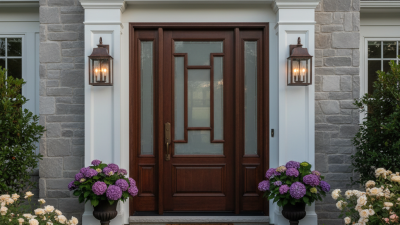
Why Is Exterior Door Casing Important?
Exterior door casing is easy to overlook. It often appears to be decorative trim, yet it helps complete one of the most vulnerable joints in a building envelope. A properly fitted exterior door casing covers the gap between the door frame and wall, protects exposed edges, and helps direct rain away from the opening. It also creates a cleaner transition around the jamb, where installers commonly use shims, sealants, and flashing.
The U.S. Department of Energy’s Building America research identifies poorly sealed door and window rough openings as recurring sources of air leakage. EPA ENERGY STAR residential construction requirements also emphasize continuous air barriers and sealed penetrations around openings. These findings matter in practical terms. A small visible gap beside the latch side can allow drafts, dust, and wind-driven moisture to enter. Over time, damp trim may swell, paint may crack, and the frame can lose stability. Exterior door casing cannot solve every installation problem. It is not a substitute for pan flashing, proper shimming, or a continuous seal.
ASTM E2112, the industry’s standard practice for installing exterior windows, doors, and skylights, reinforces the importance of integrating weather-resistive barriers, flashing, and sealants. In field work, the best results come from treating casing as part of the complete wall system, not as an afterthought. Still, the appearance can mislead. Beautiful trim may hide poor drainage behind it. That deserves a careful inspection. Understanding why exterior door casing matters helps homeowners, builders, and renovators protect comfort, energy performance, and long-term durability.
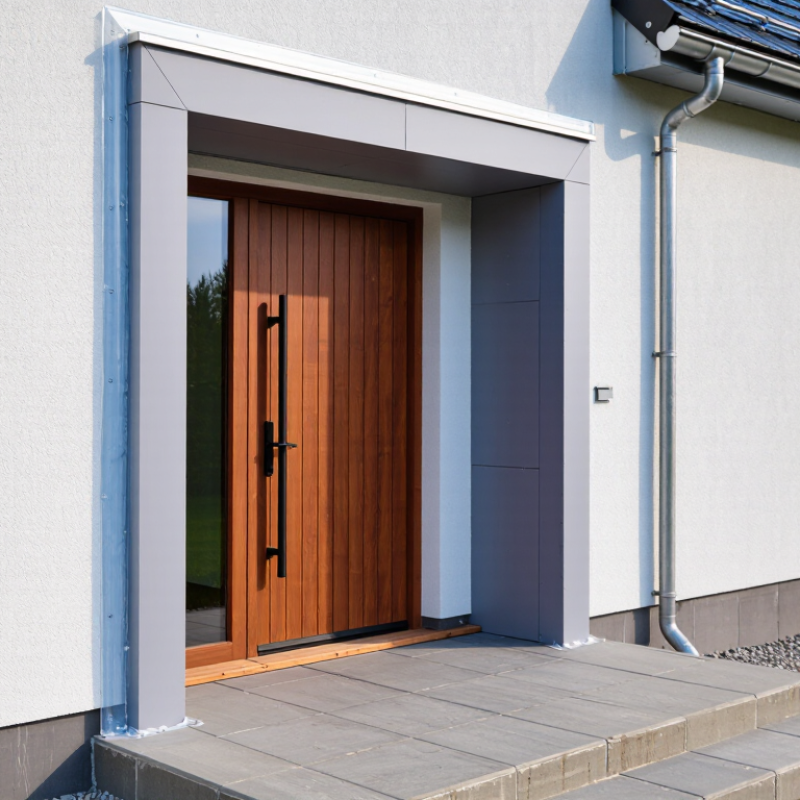
What Exterior Door Casing Is and Where It Fits
Exterior door casing is the visible trim surrounding a door opening. It usually includes two vertical side casings and one head casing above the door. On some homes, a wider brickmould or sill trim is also used. The casing fits outside the door jamb, covering the joint between the jamb and the wall finish. It may meet siding, stucco, brick, or a rainscreen edge.
It looks decorative. That assumption is risky. Properly fitted casing protects the rough opening from driving rain and hides uneven construction gaps. However, casing is not the primary air or water barrier. Flashing, backer rod, and compatible sealant must work behind and around it.
25% to 40%
The U.S. Department of Energy estimates that air leakage can cause 25% to 40% of heating and cooling energy use.
Up to 15%
ENERGY STAR guidance also reports that air sealing can reduce heating and cooling costs by up to 15%.
Installation experience shows small details matter. The top casing should shed water, while side joints need clean, continuous seals. Fasteners should avoid crushing thin trim or creating open pathways into the wall. The 2021 International Energy Conservation Code requires weather-resistant protection around exterior doors, reinforcing the need for integrated detailing.
Still, no casing installation is perfect. Sealant shrinks, paint cracks, and seasonal movement exposes weak joints. Inspect the upper corners after heavy rain, especially where trim meets textured walls. That simple check often reveals problems earlier than indoor drafts do.
How Door Casing Protects Against Weather and Moisture
Exterior door casing is more than decorative trim. It helps shield the doorway from rain, wind, and moisture. A well-fitted casing directs water away from the joint between the door frame and wall. This reduces the chance of swelling, rot, peeling paint, and cold drafts.
The details matter. Casing should meet the wall closely, while quality sealant closes narrow gaps around the frame. Proper flashing above the door is also essential. It sends water outward instead of allowing it behind the trim. The bottom edge needs attention too. Standing water can damage wood quickly.
I have seen attractive casings fail because their upper joints were poorly sealed. It looked fine at first. A casing can hide moisture damage for months. Check for soft wood, dark stains, cracked sealant, or paint that bubbles after rain. These signs may point to a deeper drainage problem.
One detail I used to overlook was the threshold area. Water often collects there during heavy storms. Keeping the sill clear and maintaining a slight outward slope can help. However, casing alone cannot solve every leak. The wall assembly, flashing, door sweep, and surrounding cladding must work together. Small gaps deserve attention before winter arrives. Mistakes happen, especially during rushed repairs. Regular inspection remains the safer habit.
How Casing Supports Door Stability and Energy Efficiency
Why Is Exterior Door Casing Important?
How Casing Supports Door Stability and Energy Efficiency
Exterior door casing is more than decorative trim around an entryway. It covers the gap between the door frame and the wall, helping protect this vulnerable joint from rain, wind, and movement. A properly fitted casing also helps keep the frame aligned. That matters when the door closes against its weatherstrip.
During a practical inspection, small gaps often reveal larger problems. Loose casing can expose shims, fasteners, or unfinished wall edges. Moisture may enter there and gradually soften surrounding materials. The casing does not carry the door by itself. However, it protects the frame system that keeps the hinges and latch working accurately. A stable frame usually produces a smoother swing and a more consistent seal.
Casing also supports energy efficiency by reducing uncontrolled air movement around the opening. Quality exterior sealant beneath the trim can block drafts and limit water penetration. The best results come from a continuous barrier, not heavy caulking alone. A rushed installation may leave hidden gaps behind attractive trim. That is an easy mistake to miss. Seasonal changes can then widen joints or stress the seal. Casing is not a cure-all, either. Poor shimming, a warped frame, or damaged weatherstripping can still waste energy. Checking the reveal, pressing lightly around the trim, and looking for daylight can expose these issues before they become expensive repairs.
Key Materials and Design Choices for Exterior Door Casing
Why Is Exterior Door Casing Important?
Exterior door casing is more than decorative trim. It frames the entry, sheds water, and helps protect the wall assembly. A poorly sealed casing can invite staining, swelling, and drafts. The U.S. Department of Energy reports that air leakage may represent 5% to 30% of a home’s energy use. Door openings deserve careful attention.
Material selection depends on exposure and maintenance goals. PVC and composite casings resist moisture and insects, while aluminum performs well against rain and strong sunlight. Wood offers warmth and easy customization, but it needs regular paint or stain maintenance. Fiber-cement can provide strong dimensional stability, though cutting and fastening require greater care. Design also matters. Use a sloped top edge, a drip cap, back-sealed joints, and a small gap above horizontal trim. The WDMA performance standard emphasizes weather resistance, water penetration control, and proper installation details. A perfect-looking joint is not always a durable one.
Tips: Match casing depth to the door frame and siding thickness. Keep end joints away from direct runoff. Seal fastener holes, but do not block drainage paths. Check the lower corners after the first wet season. That inspection may reveal problems early. I would also avoid choosing materials by appearance alone. Local exposure, repainting access, and installer skill can change the result.
How to Inspect, Maintain, and Replace Damaged Casing
Why Is Exterior Door Casing Important?
Exterior door casing protects the joint between the door frame and wall. It also directs rain away from vulnerable seams. During an inspection, check the lower corners first. These areas often show swelling, peeling paint, or dark staining. Press gently with a screwdriver. Soft wood suggests hidden decay. Look closely. A neat surface can still hide moisture damage.
Inspect the caulk line around the casing every year. Cracks wider than a hairline deserve attention. Check whether daylight appears around the frame. The U.S. Department of Energy estimates that air leakage can represent 25–40% of a home’s heating and cooling energy use. Damaged casing may not cause all leakage, but open joints can worsen drafts. Clean dry surfaces before applying exterior-grade sealant. Do not seal over wet wood. That shortcut often traps moisture.
Replace casing when it is soft, split, badly warped, or repeatedly leaking. Remove trim carefully, then inspect the sheathing and frame behind it. A replacement board should match the original thickness and extend beyond the joint. Use corrosion-resistant fasteners, prime all cut ends, and maintain a visible drainage path. The U.S. DOE recommends durable flashing and proper water management around exterior openings. Replacement alone may fail if flashing is missing. This is where many repairs become cosmetic. Let the wood dry fully before painting. Replace it carefully.