10 Tips for Choosing Pocket Door Hardware
Pocket doors save floor space, but their hardware determines whether that space feels effortless or frustrating. A recessed track disappears into the wall; a loose pull, rough glide, or flimsy latch does not. Choosing pocket door hardware means weighing more than finish and price. Door weight, opening size, wall framing, privacy needs, and daily use all matter. Small details matter.
AARP’s 2024 Home and Community Preferences Survey found that 75% of adults aged 50 and older want to remain in their homes as they age. That preference makes easy-to-operate doors worth considering in accessible home design. Harvard’s Joint Center for Housing Studies, in its July 2024 Leading Indicator of Remodeling Activity, projected homeowner improvement and repair spending could reach $477 billion by early 2025. These reports do not measure pocket-door purchases directly, but they show why thoughtful renovation choices deserve attention.
This guide looks at ten practical considerations, from track capacity and soft-close options to handles, locks, and installation access. A smooth roller should carry the door without rattling; a flush pull should feel comfortable under your fingertips. Still, no checklist can predict every wall, hand, or hurried morning. That is why matching hardware to the actual doorway—and checking the manufacturer’s specifications—matters more than choosing a popular finish.
Identify the Pocket Door’s Size, Weight, and Intended Use
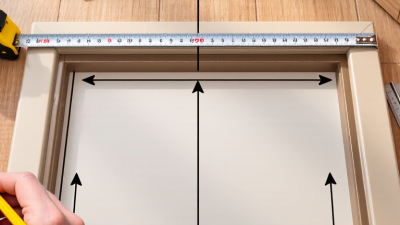
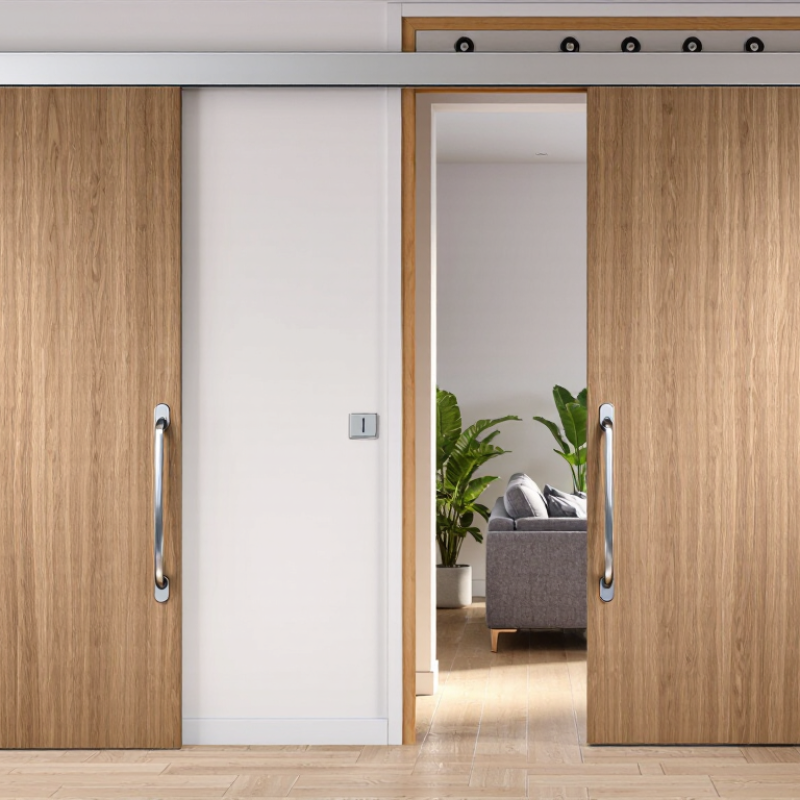
Before choosing pocket door hardware, measure the door slab—not just the opening. Record its height, width, thickness, and weight, then check the track’s stated capacity. A solid-core door can weigh far more than a hollow-core slab of the same size. Do not estimate by appearance. If the door is already installed, a bathroom scale and a helper can provide a rough weight check, but confirm it against the door’s specifications when possible.
Think about daily use, too. A closet door opened a few times a week has different demands from a bedroom or bathroom door used constantly. The 2021 AARP Home and Community Preferences Survey found that 77% of adults aged 50 and older want to remain in their homes as they age. That makes easy, steady operation worth considering: a smooth pull, a soft-close feature, and hardware that does not require a hard tug. Small details matter.
Check the actual clear opening after installation. A wide slab does not always leave a wide passage, because part of the door may remain exposed. For frequent-use rooms, compare the hardware’s rated door weight and cycle testing, where provided, rather than relying on a generic “heavy-duty” label. And measure twice. It is easy to miss trim, uneven floors, or a door that is heavier than expected.
Compare Track, Roller, and Guide System Designs
10 Tips for Choosing Pocket Door Hardware
Compare Track, Roller, and Guide System Designs
A pocket door is only as steady as its track. Top-mounted tracks carry the door’s weight and keep it moving inside the wall. Check the track’s load rating against the actual door, including its handle and finish. A rigid, straight track helps prevent binding; a removable track can make later repairs less disruptive. Small detail, big difference. Some systems are harder to service once the wall is closed.
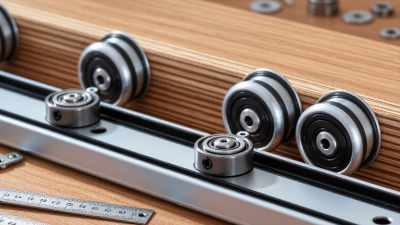
Rollers affect noise, wear, and how smoothly the door starts and stops. Nylon rollers can run quietly, while steel rollers may suit heavier doors when matched to the track. Ask for the roller material, rated door weight, and test documentation. ANSI/BHMA A156.14 covers sliding and folding door hardware, so it is a useful reference when comparing documented performance. Guides keep the door aligned at the floor or inside the jamb; they should limit sway without scraping. Test the assembled door, not just a loose roller. A quiet first slide can still hide poor alignment.
Budget for access and future adjustment, too. The 2024 Houzz & Home Study reported median U.S. renovation spending of $24,000 in 2023. That figure is not a hardware-performance measure, but it underscores why durable, serviceable components matter. Check whether the guides can be adjusted after installation, and whether replacement rollers are available. A tiny floor guide can cause a surprisingly annoying rattle.
10 Tips for Choosing Pocket Door Hardware: Track, Roller, and Guide Systems
Tracks and rollers matter most for supporting the door and keeping it moving smoothly; guides are especially important for controlling side-to-side movement. Ratings are qualitative selection guidance, not measured product-performance data. Check the hardware specifications against your door’s weight, thickness, and installation conditions.
Select Durable Materials and Appropriate Weight Ratings
Pocket doors depend on hardware hidden behind the wall, so material quality and load rating matter. ANSI/BHMA A156.14 evaluates sliding-door hardware through performance and durability testing. Look for a published weight limit and test information, not just “heavy duty” wording. Stainless steel or corrosion-resistant finishes suit humid bathrooms; steel tracks and hangers should feel rigid, without visible flex. A soft-close unit also adds moving parts, so confirm its rating covers the complete door assembly.
Tip: Weigh the door if possible. A bathroom slab may be heavier than it looks, especially with a mirror or thick finish. As a practical selection buffer, choose hardware rated for at least 1.5 times the measured door weight; this is a conservative buying guideline, not an ANSI/BHMA requirement. Check whether the stated limit applies to one door or a pair. Inspect roller material, fasteners, and track thickness, too. Small details matter. One easy mistake is trusting the door’s nominal size as a weight estimate; construction and added trim can change the load substantially. If the maker does not publish a clear rating, choose another set.
Check Compatibility with the Wall, Frame, and Door
Before choosing pocket door hardware, inspect the wall where the door will disappear. The cavity must be wide and clear enough for the door and track. Check for studs, pipes, and wiring; a stud in the wrong place can block the pocket frame. Wall thickness matters, too. Measure the finished wall, including drywall, rather than relying on a rough framing measurement. Older walls can be uneven. Mine once differed by nearly half an inch from one end to the other.
Match the hardware to the pocket frame and its opening. Confirm that the track fits the frame, and that the frame can support the door’s weight. Then check the door’s thickness and width against the hardware specifications. A door that is too thick may rub against the jambs, while a narrow door can leave an unwanted gap. Measure twice. Also account for flooring: new tile or a thick rug can reduce bottom clearance and make a properly hung door scrape.
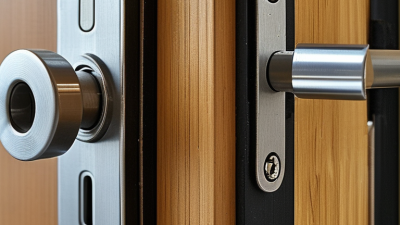
Look closely at how the frame will be fastened. Some systems need specific clearances or mounting points, so compare their instructions with the framing you actually have. Check the handle and edge-pull dimensions as well; the pocket must have room for the door to close without hardware catching on the frame. A tape measure and a straightedge help reveal problems. Still, measurements alone may not show a bowed stud or twisted frame. A dry fit can catch surprises before the wall is closed.
Assess Installation Needs, Accessibility, and Long-Term Maintenance
Pocket-door hardware should match the wall, the user, and the room’s daily demands. Measure the wall cavity, finished-floor height, and door thickness before buying a track or pull. Check for pipes, wiring, and framing that could block the pocket. A narrow pull may look neat, but can be awkward for someone with limited grip. Test the reach. A full-size sample helps.
AARP’s 2021 Home and Community Preferences Survey found that 77% of adults aged 50 and older want to remain in their homes as long as possible. That makes easy operation worth considering, even in a remodel not designed specifically for aging in place. The 2010 ADA Standards for Accessible Design specify operable hardware 34 to 48 inches above the floor, usable with one hand without tight grasping, pinching, or wrist twisting. Those rules apply to covered spaces, not every private home, but offer a useful accessibility reference.
Think about maintenance before the wall closes. Select a track that can be inspected and adjusted without removing finished trim; ask the installer how rollers are replaced. Keep the track clear of dust and check for scraping or a door that drifts. Small details matter. A soft-close feature can reduce slamming, but it adds parts that may need adjustment. I would not treat “maintenance-free” as a guarantee: confirm the hardware’s cleaning guidance and replacement-part availability before installation.