How to Choose the Best Sliding Glass Door Systems
Choosing sliding glass door systems is less about finding one universally “best” model and more about matching a door to its opening, climate, and daily use. A wide patio entrance may need a different configuration from a compact room divider. Start with accurate measurements, including the opening width, height, and available wall space. A few millimetres can affect the fit.
Think about how the door will feel in ordinary use. Will the panels glide smoothly when someone carries groceries through? Are the handles comfortable, and can the track collect grit or water? Frame materials, glass type, weather seals, and locking hardware all influence comfort, maintenance, and performance. For exposed areas, ask how the system handles wind, rain, and temperature changes. Small details matter. A low threshold may improve access, but it still needs to suit the site and drainage conditions.
Compare specifications rather than relying on appearance alone. Check panel weight, track design, available safety-glass options, warranty coverage, and the installer’s experience with similar openings. Ask which cleaning and maintenance tasks the manufacturer recommends. Product descriptions can sound reassuring, yet they may not explain how a system performs in your particular home. That uncertainty is worth discussing before purchase. Even a careful comparison can miss a detail, so confirm measurements and installation requirements with a qualified professional. The right choice should look appropriate, operate reliably, and remain practical years after installation.
Understand the Main Types of Sliding Glass Door Systems
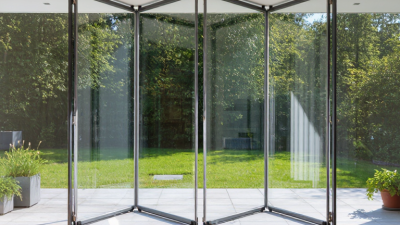
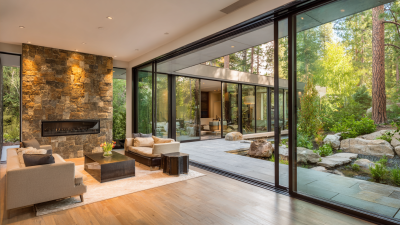
Sliding glass door systems differ in how panels move and where they park. Bypass doors slide past each other on parallel tracks, making them practical for patios with limited wall space. Pocket systems slide into a wall cavity, creating a wide opening, but need suitable wall construction. Multi-panel doors stack or meet at corners. Lift-and-slide hardware raises panels slightly before movement, which can help support larger, heavier glass units.
Performance depends on more than the operating style. Check the glass rating, frame material, track drainage, seals, and local wind conditions. The U.S. Department of Energy’s Energy Saver guidance estimates that heat gain and loss through windows account for 25%–30% of residential heating and cooling energy use. That figure is not specific to sliding doors, but it shows why glazing and air leakage deserve attention. A slim track may look clean; it can also collect grit that makes panels harder to move. Details matter.
Tips: Measure the clear opening, not just the frame. Ask how panels can be removed for service, and test a sample door if possible. A system that glides smoothly in a showroom may feel different after installation.
Assess the Opening Size, Usage, and Site Conditions
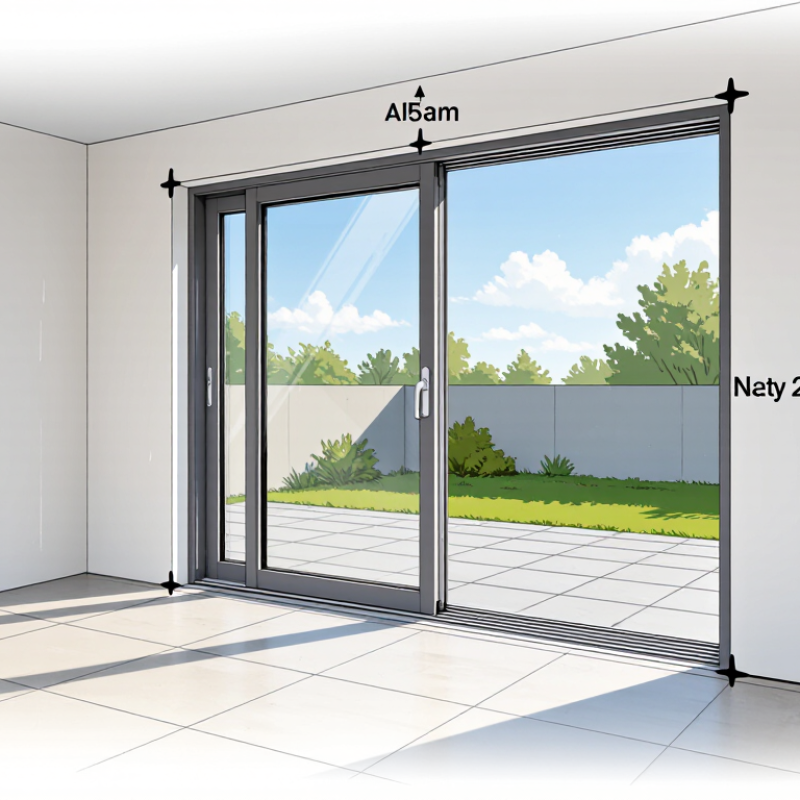
Start with the opening, not the catalog. Measure its width and height at several points, since older frames can taper or settle. Record the smallest usable dimensions, and confirm whether you measured the structural opening or the finished frame. Check the floor for level and the jambs for plumb. A few millimeters matter. They can affect panel clearance, weather seals, and how smoothly the door rolls.
Usage changes the right layout. A busy patio entrance may need a wider clear passage and a track that is easy to keep free of grit. For occasional access, a larger glass area may matter more than maximum opening width. Consider furniture, curtains, pets, and the route people actually take. Daily traffic is easy to underestimate during a quick showroom visit.
Then assess the site. Wind exposure, driving rain, direct sun, and nearby salt air can influence frame and glass choices. Inspect how water drains around the threshold; a low-profile sill may look clean but need careful drainage detailing. Also check for adequate structural support above the opening and enough interior space for panels to slide. A measurement sheet cannot reveal every hidden condition, so unusual spans or signs of water damage deserve an on-site professional assessment. I would still recheck the dimensions after flooring and finishes are confirmed.
How to Choose the Best Sliding Glass Door Systems — Assess the Opening Size, Usage, and Site Conditions
Use these exact inch-to-millimeter conversions as a measurement reference, not as standard product sizes. Measure the finished opening at several points, then consider traffic, panel access, threshold needs, drainage, and exposure to wind and rain when selecting a system.
Compare Frame Materials, Glass Options, and Track Designs
Frame material affects appearance, upkeep, and how the door performs in your climate. Aluminum allows slim sightlines and resists warping, though its frame can feel cold without a thermal break. Vinyl usually needs little maintenance and offers good insulation, but wider frames may reduce the glass area. Wood adds warmth and suits traditional interiors. It needs more attention, especially where rain or strong sun reaches it. Small details matter.
Glass choice should match both exposure and daily use. Double-pane glass can improve insulation and reduce outside noise. Low-emissivity coatings help limit heat gain, while clear glass preserves a bright view. For doors near busy paths, consider privacy glass or an appropriate shade. Safety glazing is also worth discussing with a qualified installer. The best option is not always obvious; room orientation and local climate can change the trade-off.
Track design shapes how smoothly the door moves and how easy it is to maintain. A two-panel slider uses a straightforward track, while multi-panel systems can open a wider passage but need more space and precise alignment. Look for sturdy rollers, accessible cleaning points, and drainage that suits the installation. Flush tracks look clean, yet may collect grit or water if poorly detailed. Measure the finished opening carefully; even a small mismatch can affect operation.
Evaluate Energy Efficiency, Safety, and Accessibility
How to Choose the Best Sliding Glass Door Systems
Evaluate Energy Efficiency, Safety, and Accessibility
Energy Efficiency
A sliding glass door can brighten a room, but a draft beside the frame quickly changes how it feels. Compare the door’s energy ratings, including its U-factor and solar heat gain coefficient, against your climate and window exposure. Low-emissivity glass may help limit heat transfer, while insulated glass can reduce temperature swings. Check the seals, too. A well-rated panel may still perform poorly if installation leaves gaps or the track does not sit level. Ask how the system handles water and air at the sill, especially on exposed patios.
Safety and Accessibility
Safety depends on more than the glass. Look for safety glazing appropriate to the location, secure locking hardware, and panels that move without jerking or jumping their tracks. Small details matter. A handle should be easy to grip, and the threshold should not create a troublesome step for someone using a walker or wheelchair. Check the clear opening, not just the advertised panel width. If young children use the space, consider how the lock and door movement affect supervision. Accessibility needs can vary, so test the handle and opening effort in person when possible.
I might overlook a stiff track during a quick showroom visit; asking to operate the door several times is a better check.
Choose Installation and Maintenance Requirements
A sliding glass door should fit the opening and the building’s conditions, not just the room’s style. Before choosing a system, measure the width, height, and depth at several points; older openings are rarely perfectly square. Check whether the wall can support the door’s weight and whether the floor is level. A heavy panel can bind on a small slope. Installation may also require careful flashing and drainage around the sill to keep water from entering the wall. Requirements vary by door design and local climate, so confirm details with the installer and the product’s instructions.
Consider who will handle installation and what access the work requires. Replacing a door can involve removing trim, adjusting the frame, and protecting nearby flooring. Ask for a written scope that covers sealing, alignment, cleanup, and any repairs to the opening. Maintenance matters too. Tracks collect grit, rollers can wear, and weatherstripping may flatten over time. Check that replacement parts will be available. It is easy to focus on glass and overlook these practical details; I would not treat them as an afterthought.
Tips: Ask how the door will be leveled and sealed. Vacuum the track regularly, then wipe it with a damp cloth. Inspect seals and drainage paths each season. Follow the manufacturer’s care instructions, and avoid forcing a panel that sticks.