What Is an Exterior Door Seal Used For?
What is an exterior door seal used for? It is a small but important barrier fitted around a door’s edges or threshold. When the door closes, the seal helps reduce drafts, dust, moisture, and outdoor noise entering the home. It can also limit heat loss in winter and help keep cooled air inside during warm weather. The effect depends on the door, the seal’s fit, and its condition.
Look closely at the narrow gap beneath a front door on a windy day. A loose strip may let cold air move across the floor, while worn weatherstripping can leave daylight visible around the frame. A suitable exterior door seal fills those gaps without preventing the door from latching. That balance matters. Too much pressure can make closing difficult, and a seal cannot correct a warped door or damaged frame. It is easy to blame every draft on the seal; sometimes the real cause is elsewhere. Materials vary, from flexible rubber and foam to brush-style threshold strips, and each suits different locations and exposure. Before choosing one, check the door’s size, the gap, and the manufacturer’s installation guidance. A careful fit is usually more useful than simply buying the thickest option. Regular inspection helps reveal flattened, cracked, or detached sections before they become obvious problems. This guide explains the seal’s purpose, common types, and practical signs that replacement may be worthwhile.
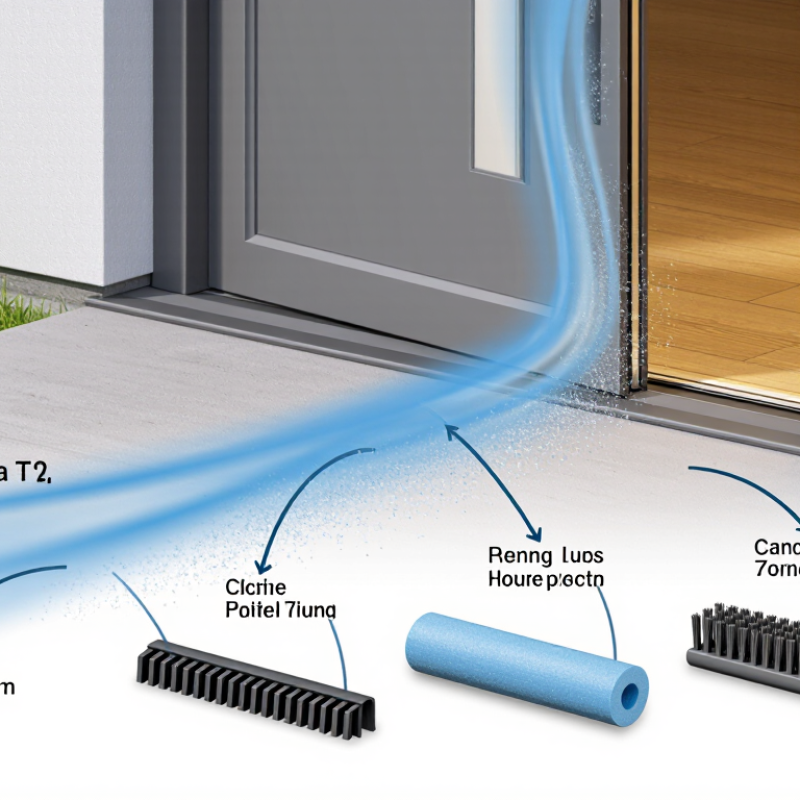
What an Exterior Door Seal Is and Where It Fits in the Door Assembly
An exterior door seal is the flexible barrier between a closed door and its frame. It is usually weatherstripping fixed to the jambs and head, plus a sweep or gasket at the bottom. When the door shuts, the seal compresses against the door edge or threshold. This helps limit drafts, wind-driven rain, dust, and outdoor noise. It also reduces the exchange of indoor and outdoor air. The seal is not the door frame itself, nor is it decorative trim. Small part, real consequences.
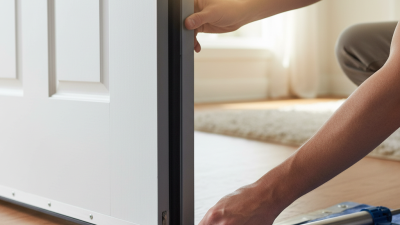
Look along both vertical jambs and the top of the frame for a continuous strip; inspect the lower edge for a sweep or threshold gasket. Gaps often show up at corners, where strips meet, or where an uneven door no longer presses firmly against the seal. The U.S. Department of Energy’s Energy Saver guidance estimates that proper whole-home air sealing can reduce heating and cooling bills by 10–20%. That estimate covers the whole home, not an exterior door seal alone, so it is useful context rather than a door-specific promise. A seal can also hide a door that needs adjustment. Press a sheet of paper between the door and frame: if it slides out easily when closed, the seal may not be making even contact.
How Perimeter and Threshold Seals Block Air, Water, Dust, and Noise
An exterior door seal closes the narrow gaps around a door, where drafts and dust often find their way indoors.
Perimeter seals fit along the top and sides of the frame, compressing gently when the door shuts. That contact helps limit cold air in winter and hot air in summer. Small gaps matter. Even a thin line of daylight can signal a poor seal or a door that needs adjustment.
At the bottom, a threshold seal or door sweep helps block drafts, dust, and wind-driven rain. Water needs a path. A properly fitted threshold sheds water outward, but it cannot compensate for poor drainage or a badly aligned door.
Together, perimeter and threshold seals can also soften outside noise, though they will not soundproof a room. Their performance depends on even contact: a seal that is crushed, loose, or interrupted at a corner may leave a noticeable leak.
Check for cracked material, light showing around the closed door, or a draft on a windy day. Replacing worn seals is often straightforward, but a warped door or frame may need repair first. I’ve found that a new strip can help, yet it is easy to expect too much from it.
How ASTM E283 Tests Door Air Leakage at a 75 Pa (1.57 psf) Pressure
What Is an Exterior Door Seal Used For? How ASTM E283 Tests Door Air Leakage at 75 Pa
An exterior door seal closes the small gaps between the door and frame. It helps limit drafts, dust, and moisture entry. But a seal’s performance depends on the full assembly: door, frame, weatherstripping, and installation. Even a narrow gap can create a noticeable cold line across a hallway.
Small gap. Big effect.
ASTM International’s E283 test measures air leakage through an installed door assembly under a controlled pressure difference. At 75 Pa, or 1.57 psf, a chamber draws or pushes air across the specimen. Results are reported as airflow, often normalized by door area. This is useful for comparing tested assemblies, but it does not isolate the seal by itself. ENERGY STAR estimates that air sealing and insulation together can save an average of 15% on home heating and cooling costs; actual savings vary by home and climate.
Tips: Ask for the tested pressure and leakage rate, not just “draft resistant.” Confirm the report covers the same door type and size. Check the threshold and latch-side weatherstripping, too. Lab results help, but installation can still change the outcome.
How ENERGY STAR Connects Air Sealing with Potential 10% Energy-Bill Savings
An exterior door seal closes the narrow gaps between a door and its frame or threshold. It helps limit drafts, dust, and unwanted outdoor air. On a cold evening, even a thin stream near the latch can make a hallway feel chilly. A door sweep seals the bottom edge; compressible weatherstripping follows the sides and top. Small parts. Real comfort.
The energy connection is broader than one doorway. ENERGY STAR says air sealing and insulation can reduce heating and cooling costs by about 15%, or roughly 11% of total household energy costs, on average. That makes savings near 10% plausible for some homes, not guaranteed. A leaky door may contribute, but results depend on the home, climate, and heating system. The U.S. Department of Energy recommends checking for gaps and worn weatherstripping as part of reducing air leaks. A simple check: close the door on a strip of paper. If it slides out easily, the seal may be loose. Still, that test is imperfect; pressure changes and uneven frames can hide leaks. Replacing a seal can help, but it will not fix every draft.
When to Replace a Door Seal: Gaps, Wear, and Failed Compression
An exterior door seal blocks drafts, rain, dust, and insects where the door meets its frame. It also cushions the closing door and helps maintain indoor comfort. A seal works only when it touches the door evenly. Small gaps matter.
Replace the seal if you see cracked rubber, torn foam, or sections pulling away from the frame. Flattened material that no longer springs back may have lost compression. On a windy day, feel around the closed door for cool air, or look for daylight along the edges. A paper strip can help: close the door on it, then pull gently. If it slides out easily in several spots, contact may be weak. Not always. A misaligned door or loose hinges can cause similar gaps, so check those before fitting a new seal.
Tips: Clean the frame and inspect the top corners, threshold, and latch side; wear often starts there. Match the replacement seal to the existing channel and allow the door to close without forcing it. Recheck the fit after installation. If the gap remains uneven, the frame may need attention too.