NEWS at Quanex
See the latest news, posts and events from Quanex about our business, the industry, our people and more.
What Is an Exterior Sliding Glass Door?
An exterior sliding glass door is a large glazed opening that connects an indoor room with a patio, deck, or garden. Unlike a hinged door, its panel moves horizontally along a track. One panel usually slides past another, bringing daylight and an open view without requiring swing space. On a clear morning, that can make a kitchen feel brighter and a narrow patio easier to reach.
The design is practical, but details matter. A frame, rollers, locks, weather seals, sill, and drainage path all affect how the door performs. Building-science expert Joseph Lstiburek is known for emphasizing moisture control in building design. A responsible paraphrase of that guidance is: “Manage water at the opening before it reaches the interior.” That principle matters here. Wind-driven rain can collect at a sill, and a poorly adjusted panel may drag or leave an uneven seal. Installation and maintenance are part of the door’s performance, not afterthoughts.
This guide explains what an exterior sliding glass door is, how its parts work, and what distinguishes common configurations. It also considers glass, frame materials, security, energy performance, and everyday upkeep. Not every home needs the largest panel or the thinnest frame. A broad view is appealing. So is a door that closes smoothly after years of use. The trade-offs deserve a closer look. A little humility helps: even a well-chosen door depends on careful measuring, sound installation, and regular track cleaning.
Definition and Purpose of an Exterior Sliding Glass Door
An exterior sliding glass door is a glazed door that opens onto an outdoor area. Its movable panel slides horizontally along a track instead of swinging into the room. Some models pair one fixed panel with one sliding panel; others use several panels for a wider opening. The frame, glass, track, and seals work together as one system.
Its purpose is practical as well as visual. It lets people move between a home and a patio, deck, or garden without needing space for a swinging door. Large panes bring daylight indoors and provide a clear view outside. On a bright morning, that can make a compact dining area feel less enclosed. It can be lovely. Not always.
Glass alone does not guarantee comfort or easy operation. Frame quality, weather seals, drainage, and a properly fitted threshold help limit drafts and water entry. Tracks need occasional cleaning; grit can make a panel drag or rattle. Suitable safety glazing and secure locking hardware also matter, with choices shaped by the door’s location and use. Broad glass can improve natural light, but it may reduce privacy or increase solar heat gain. Curtains or exterior shading can help, though they need care too.
What Is an Exterior Sliding Glass Door?
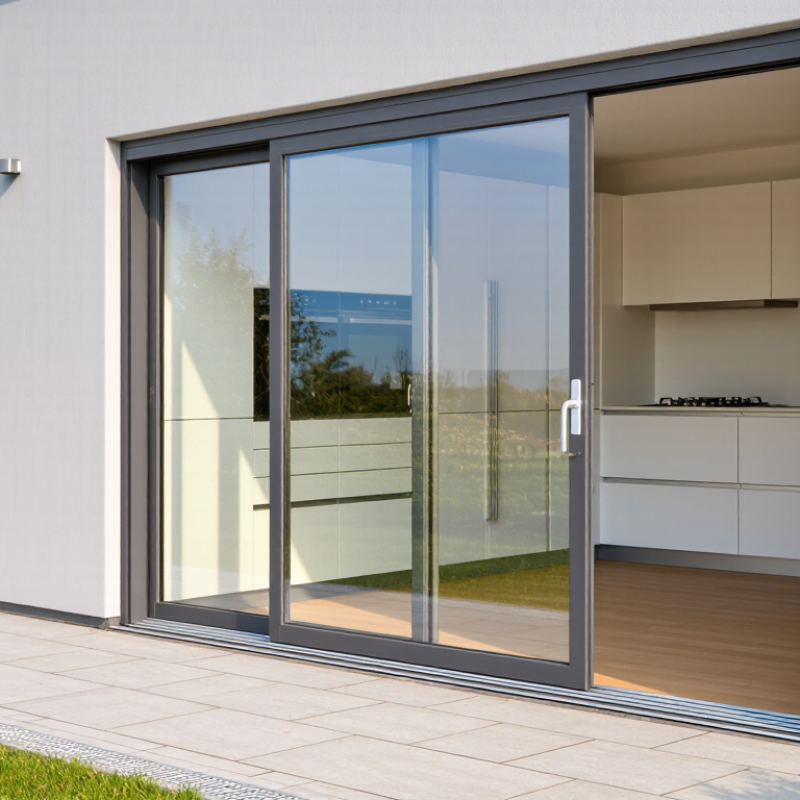
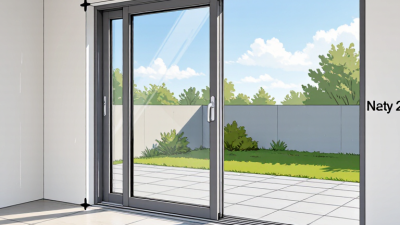
A panel-layout example: sliding glass doors move horizontally along tracks to connect indoor and outdoor spaces.
The chart shows panel counts in common two-, three-, and four-panel layouts. Exact configurations vary; a fixed panel stays in place while a sliding panel moves to open the doorway.
Main Components and How They Work
What Is an Exterior Sliding Glass Door?
Main Components and How They Work
An exterior sliding glass door is a glazed opening with one or more panels that move horizontally along a track. The fixed panel stays in place, while the moving panel rides on small rollers near its lower edge. A handle and latch help operate and secure the door. Small parts matter. If the track collects grit, even a well-built panel can drag or wobble.
The frame supports the glass and transfers its weight to the surrounding wall. Weatherstripping lines the meeting edges and frame, limiting drafts when the door is closed. At the bottom, the sill directs rain outward, though blocked drainage paths can still cause trouble.
The U.S. Department of Energy’s Energy Saver guidance estimates that heat gain and loss through windows account for 25–30% of residential heating and cooling energy use. That figure covers windows broadly, not sliding doors alone, but it shows why glazing and air sealing deserve attention.
Glass may use multiple panes, low-emissivity coatings, or gas-filled gaps to reduce heat transfer. The exact performance depends on the whole assembly, including the frame and seals. A smooth glide feels reassuring, but it does not prove the weatherstripping is sound. Check for light at the edges, condensation between panes, and water that remains in the sill after rain.
Common Frame, Glass, and Panel Configurations
An exterior sliding glass door usually combines one fixed panel with one panel that moves along a track. The frame holds the glass, supports the rollers, and helps limit drafts and water entry. Common frame materials include aluminum, vinyl, and wood or wood-clad construction. Aluminum can look slim and modern, while vinyl needs little routine painting. Wood offers a warmer interior finish, but its exposed surfaces may need more care.
Glass choices affect comfort, light, and safety. Double-pane units create an insulating air space; low-emissivity coatings can reduce heat transfer while letting daylight through. Tempered glass is often used where safety rules require it, and laminated glass may help hold fragments together if broken. Options vary by door location and local requirements. Ask what the glass specification actually includes, not just whether it is “energy efficient.”
Panel layouts change how the opening works. A two-panel door commonly has one moving panel and one fixed panel. Wider openings may use three or four panels, with one or more sections sliding. Check which side opens before ordering; a handle on the wrong side can make daily use awkward. Track depth, roller quality, drainage openings, and weatherstripping matter too. Small details. A smooth sample glide does not guarantee the installed door will stay smooth if the track is poorly aligned or collects grit.
Weatherproofing, Security, and Energy Performance
An exterior sliding glass door is a large glazed opening designed to connect indoor and outdoor spaces while resisting weather. One panel typically moves along a track; the fixed panel and frame form the rest of the barrier. That broad glass area brings daylight, but it also makes seals and installation details important. Small gaps matter. Wind-driven rain can find its way past worn weatherstripping or a poorly aligned panel, while blocked sill drainage can leave water sitting where it should escape.
Weather performance depends on the whole assembly, not glass alone. The U.S. Department of Energy’s Energy Saver guidance estimates that windows account for about 25–30% of residential heating and cooling energy use. That estimate covers windows overall, not sliding doors specifically. NFRC ratings help compare a door’s U-factor, which indicates heat flow, and solar heat gain coefficient, which indicates how much solar heat enters. Numbers beat guesswork.
Security depends on more than a lock. Check the interlock between panels, keeper, frame anchoring, and whether the moving panel can lift out of its track. Choose products with performance testing suited to local wind and rain exposure, and follow the installation instructions. Even good hardware can loosen. Inspect rollers, weatherstripping, and drainage slots seasonally; debris in the track can interfere with closing. A high-rated door is not a guarantee of lasting performance. Installation and upkeep can quietly undo the advantage.
Typical Locations and Practical Considerations
Exterior sliding glass doors are glazed doors that move horizontally along tracks, connecting indoor rooms with outdoor areas. They are common beside patios and decks, where a wide opening helps carry chairs, plants, or serving trays outside. In a sunroom, they can bring daylight into the room while preserving a clear view of the yard. Apartments may use them for balconies, though available wall space and building design can limit door size. A narrow track can be useful. It can also collect grit.
Practical details matter as much as appearance. Measure the opening, including its height, width, and surrounding trim, before choosing a replacement. Check where rainwater drains and whether the sill sits above the exterior surface; standing water can damage nearby flooring. Wind, direct sun, and winter temperatures affect comfort, so glass and weather seals should suit the local climate. Consider a low threshold for easier movement, but confirm that it still manages water properly. The moving panel needs clear track space. Screens need room too. For safety, choose glass designed for door use and ensure the lock engages firmly. Installation can seem straightforward, yet an uneven frame may make the panel drag or leak. That’s easy to miss. A qualified installer can inspect the opening, especially when the existing frame shows rot or moisture stains.
| Topic | Typical Details | Practical Considerations |
|---|---|---|
| Definition | An exterior sliding glass door is a glazed door assembly fitted in an exterior wall. One or more panels slide horizontally along a track; in a common configuration, one panel is fixed and the other moves. | Unlike a hinged door, it does not swing into the room or onto the patio, but it needs clear space alongside the track for the moving panel. |
| Patio or deck access | A frequent location is between a living or dining area and a patio, deck, or terrace. | Check the relationship between the interior floor and exterior surface. The sill, drainage, and weather protection should be appropriate for the site and local requirements. |
| Backyard or garden access | Sliding glass doors are often used to connect a kitchen, family room, or sunroom with a yard or garden. | Consider privacy, glare, furniture placement, and the need for curtains, blinds, or other shading. Large glazed areas can increase solar heat gain or heat loss depending on the glass and climate. |
| Balcony access | In houses and apartments, a sliding door may provide access from a bedroom or living space to a balcony. | Confirm that the opening, guardrail, and door configuration comply with applicable building and safety requirements. A sliding panel should not be treated as a substitute for a balcony guardrail. |
| Sunroom or enclosed porch | A sliding glass door can separate an enclosed sunroom or porch from the main interior or from the outdoors. | Choose a door suited to whether the space is conditioned and exposed to outdoor weather. A unit intended for interior separation may not provide the weather resistance required for an exterior opening. |
| Typical panel arrangements | Common layouts include two-panel units with one moving panel, as well as wider multi-panel arrangements in which one or more panels slide. | Panel count and opening direction affect usable clear passage, access, and furniture layout. Verify the actual clear opening rather than relying only on the overall frame width. |
| Daylight and views | Large glass panels can admit daylight and provide a broad view of the outdoors. | Glass selection can affect visibility, glare, privacy, energy performance, and fading of nearby furnishings. Performance depends on the glazing, frame, orientation, and local climate. |
| Weather sealing and drainage | Exterior assemblies use seals and a track or sill designed to manage contact with outdoor conditions. | Keep tracks and drainage openings clear of dirt and debris. Inspect seals and hardware periodically; water management details are especially important in exposed or rainy locations. |
| Security and safe glazing | Exterior sliding doors typically include a locking mechanism, and safety-glazing rules may apply depending on location and configuration. | Check that the door locks and operates correctly. Use glazing that meets applicable local safety requirements, particularly where impact with glass is a foreseeable risk. |
| Accessibility and threshold | The sill or threshold forms the transition between interior and exterior floor surfaces. | Threshold height, track profile, and clear opening can affect ease of passage. Accessibility requirements vary by project and jurisdiction, so confirm them during planning. |
| Planning reminder | Exterior sliding glass doors are available in different sizes, materials, glazing options, and configurations. | Select a unit based on the opening, exposure, climate, drainage conditions, energy goals, and applicable building codes. Installation details and performance vary by product and site. |
Related Posts
-
2026 Best Exterior Sliding Glass Door Options to Consider?
-
2026 Best Sliding Glass Door Systems for Your Home?
-
Why Choose Sliding Glass Door Systems for Your Home Renovation Needs
-
How to Choose the Best Sliding Glass Door Systems
-
How to Choose Sliding Glass Door Systems?
-
Unlocking the Benefits: How Sliding Glass Door Systems Enhance Modern Living Spaces