Top 10 Commercial Exterior Doors for Global Buyers?
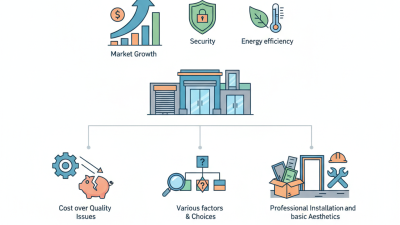
Choosing among the top 10 commercial exterior doors requires more than comparing prices or attractive finishes. Global buyers must consider climate, traffic volume, security, accessibility, energy performance, installation quality, and long-term maintenance. A door facing heavy rain in Singapore will not serve a cold logistics center in Canada equally well. Small details matter, including threshold drainage, frame depth, hinge strength, and replacement-part availability.
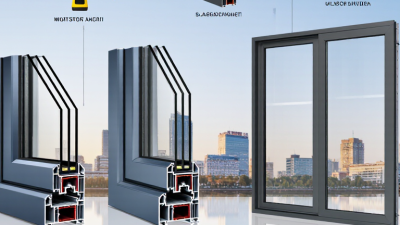
Lori Greene, a respected door and hardware educator, emphasizes, “The door, frame, and hardware must work together.” This practical principle guides the selection of commercial exterior doors in this overview. The list examines steel, aluminum, glass, insulated, thermally broken, automatic, and impact-resistant options. Each type offers clear advantages, but none is perfect for every building or market.
Performance depends on the whole opening.
A strong door can fail when the closer is poorly adjusted or the frame is incorrectly sealed. Global procurement also brings uncertainty. Product standards, installation skills, weather exposure, and local service networks can vary widely. Therefore, this ranking should support careful evaluation rather than replace professional site assessment. Buyers should confirm tested performance, warranty conditions, compatible hardware, and documentation before ordering.
Some choices may appear expensive at first. Their lower maintenance needs may change the calculation over time. Others look efficient on paper but disappoint in daily use. That deserves attention.
Commercial Exterior Doors: Definition, Functions, and Global Applications
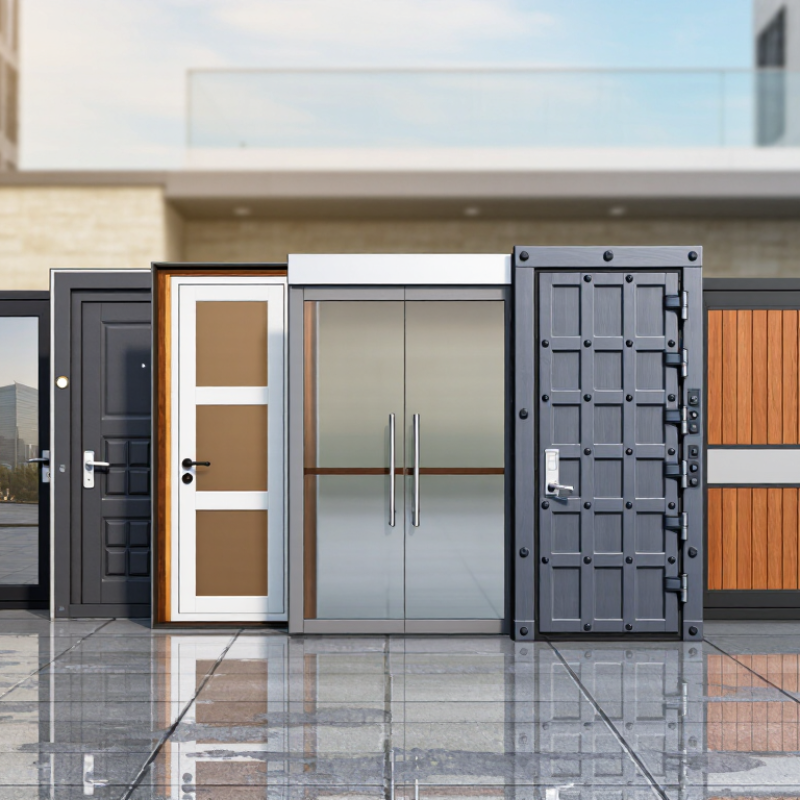
Commercial exterior doors form the working boundary between a building and its environment. They support security, weather control, traffic flow, and safe daily access. Common types include insulated steel doors, aluminum storefront doors, glass entrance systems, automatic sliding doors, and high-cycle sectional doors. Each option serves a different operating condition.
A coastal warehouse may need corrosion-resistant hardware and sealed frames against salt air. A cold-region supermarket usually benefits from insulated panels, durable gaskets, and closers that reduce heat loss. Hospitals, offices, factories, schools, and retail centers require different combinations of visibility, hygiene, strength, and access control. Door selection should match opening frequency, wind exposure, moisture, temperature, and expected impact. Small details matter.
Experienced project teams check frame anchoring, drainage paths, hinge capacity, threshold height, and replacement access before ordering. Fire-rated or emergency-use doors must follow applicable local requirements. Accessibility also deserves practical testing, not only paperwork. Can someone open the door with limited strength? Does rainwater collect at the threshold? These questions reveal weaknesses early.
Performance data should be verified through credible test reports, installation guidance, and qualified local contractors. A low purchase price can become expensive when seals fail or hardware wears quickly. No door is perfect. A reliable design balances protection, usability, maintenance, and regional conditions without assuming one solution fits every market.
Top 10 Commercial Exterior Door Categories for International Buyers
International buyers often compare commercial exterior doors by use, climate, and building access. The ten main categories are storefront doors, aluminum-glass doors, hollow metal doors, insulated steel doors, fire-rated doors, acoustic doors, automatic sliding doors, revolving doors, folding doors, and high-security doors. Each category solves a different problem. Storefront and aluminum-glass systems suit retail entrances with strong visibility. Hollow metal and insulated steel doors handle heavy traffic, wind, and temperature changes.
Fire-rated doors require tested assemblies, certified hardware, and correct installation details. Acoustic doors help hotels, offices, and transport buildings reduce outside noise. Automatic sliding doors support accessible entrances, while revolving doors can limit drafts in busy lobbies. Folding doors create wide openings for showrooms or loading areas. High-security doors serve controlled commercial zones, where reinforced frames and reliable locking systems matter.
Climate deserves close attention. Coastal projects may need corrosion-resistant finishes, while cold regions require low air leakage and thermal breaks. A door that performs well in a dry warehouse may fail near saltwater. International buyers should request test reports, drawings, warranty terms, replacement-part plans, and installation guidance. Standards also differ by market, so one certificate may not satisfy every authority. A common mistake is choosing glass appearance before checking drainage, threshold height, and maintenance access. Small details matter. Even experienced teams sometimes underestimate delivery packaging and local installer skill.
How to Compare Security, Energy Efficiency, Durability, and Maintenance
Top 10 Commercial Exterior Doors for Global Buyers?
Commercial exterior doors should be compared through performance, not appearance alone. Security begins with the complete assembly: leaf, frame, hinges, closer, lock, threshold, and wall connection. EN 1627 classifies resistance against forced-entry methods, while ASTM F3038 evaluates water penetration around installed doors. A strong leaf can still fail when the frame is poorly anchored. That detail is often missed.
Energy efficiency needs measurable evidence. Ask for U-factor, air-leakage, and solar or thermal performance data from independent testing. The U.S. Department of Energy reports that windows and doors can contribute substantially to building heat gain and loss, especially around poorly sealed openings. NFRC certification can make product comparisons more reliable. Weatherstripping matters. So does installation. A low U-factor means little when a cold draft enters beneath the threshold.
Durability depends on traffic, climate, and maintenance capacity. A 2023 report from the U.S. Energy Information Administration shows that commercial buildings operate across widely different climates and usage patterns; one door specification cannot suit every site. High-cycle entrances need tested hardware, replaceable seals, corrosion-resistant finishes, and accessible service parts. Check cycle-test results, not vague claims. Maintenance schedules should include closer adjustment, hinge inspection, drainage cleaning, and seal replacement. In real projects, delivery damage and uneven floors are common problems. The “best” door may still disappoint when installation supervision is weak.
Top 10 Commercial Exterior Doors for Global Buyers
Comparative performance index for common commercial exterior door types. Scores range from 1 to 10, with 10 representing stronger typical performance. Actual results depend on specifications, climate, installation, glazing, hardware, and certification.
Insulated steel and hollow metal doors generally provide the strongest security, while fiberglass and thermally broken aluminum offer a balanced combination of energy efficiency, durability, and maintenance performance. Full-glass and standard storefront systems prioritize daylight and appearance but typically require stronger specification control for security and thermal performance.
Global Buying Factors: Regulations, Customization, Shipping, and Installation
Top 10 Commercial Exterior Doors for Global Buyers?
Global buyers should treat regulations as design inputs, not paperwork. Requirements vary by climate, occupancy, fire risk, accessibility, and wind exposure. EN 14351-1 covers external pedestrian doorsets in many European markets, while local building codes may demand tested fire resistance or thermal performance. The 2023 World Bank Logistics Performance Index shows major differences in customs efficiency, infrastructure, and shipment tracking. That gap affects delivery planning. A compliant door can still fail if documentation is incomplete.
Customization should remain practical. Buyers may specify galvanized steel, aluminum, insulated cores, vision panels, panic hardware, or corrosion-resistant finishes. However, every option changes weight, lead time, and installation methods. The 2023 UNCTAD Review of Maritime Transport reported continuing volatility in maritime logistics and operating costs. Export packaging therefore needs corner protection, moisture barriers, shock indicators, and clear pallet labels. Small details matter.
Installation is often underestimated. Rough openings should be checked against approved shop drawings, floor levels, wall conditions, and drainage paths. The U.S. Department of Energy reports that poor envelope installation can increase unwanted air leakage and energy loss. Site teams need calibrated tools and trained supervision. Remote guidance helps, but it is not equal to local inspection. I have seen schedules fail because installers received hardware before the door schedule was approved. That mistake is avoidable, yet common. A better purchase process links compliance files, factory inspection, shipping documents, and installation training before production begins.