Why Is Exterior Door Casing Important?
An exterior door casing may look like a simple frame, but it does more than finish the edge of an entryway. It covers the joint between the door frame and the wall, creating a cleaner transition from siding or interior trim. Outside, that joint faces rain, wind, sunlight, and seasonal movement. A sound casing helps direct water away from vulnerable gaps, though it cannot replace proper flashing, caulk, or a well-installed door.
Look closely at the bottom corners. Peeling paint, soft wood, dark stains, or a widening seam can signal that moisture is getting in. Those small clues matter. Left unnoticed, decay may spread beneath the trim and become harder to repair. Material choice also affects performance: painted wood can be repaired, while cellular PVC resists moisture but still needs careful installation and compatible fasteners. The right option depends on exposure, upkeep, and the surrounding wall.
Appearance counts, too. A casing that matches the home’s proportions can make an entry feel deliberate rather than patched together. Yet trim alone cannot fix a crooked opening or poor drainage. That part is easy to forget. Before replacing exterior door casing, inspect the door frame, siding, and nearby sealant, then address the source of any water. A neat finish is useful; a dry, stable assembly is essential.
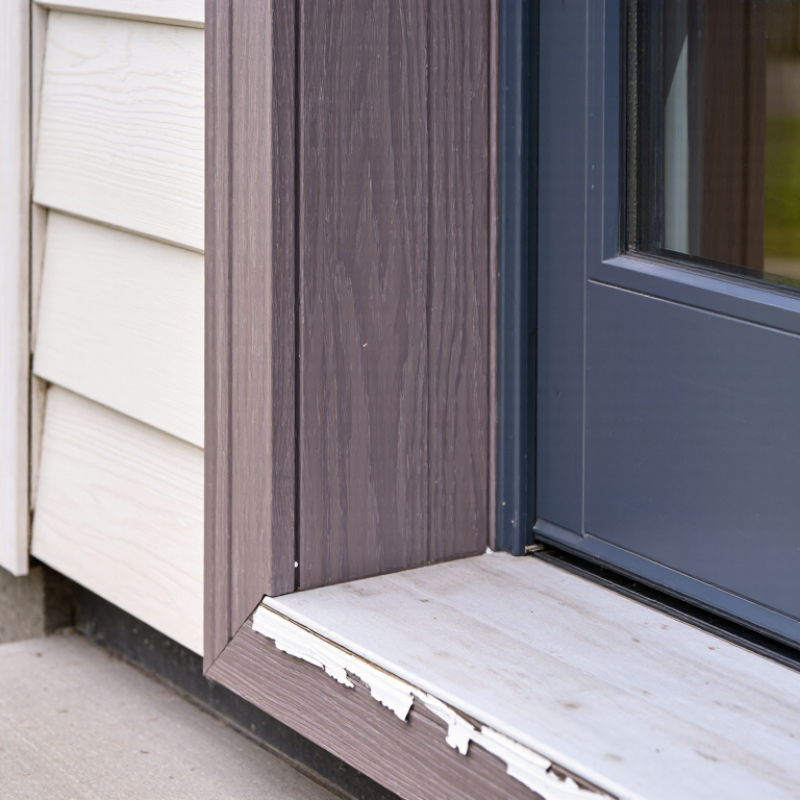
What Exterior Door Casing Is and Where It Fits
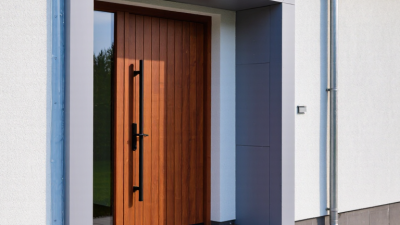
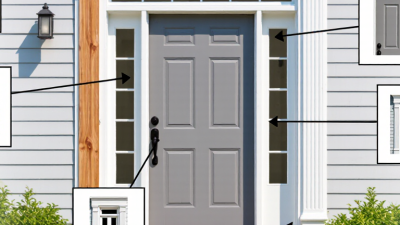
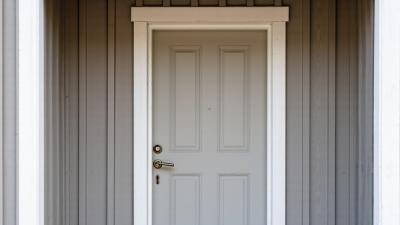
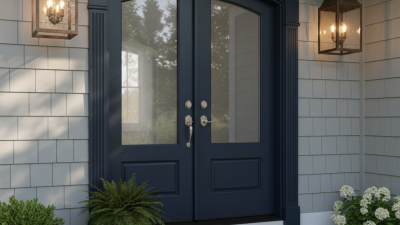
Exterior door casing is the visible trim fitted around an exterior door opening. It usually has two vertical pieces and one horizontal piece across the top. The casing sits where the door jamb meets the outside wall, creating a finished border. It is not the door frame or the threshold underfoot. Those parts connect, but they do different jobs.
On a sided home, casing can cover the narrow joint between the jamb and wall cladding. Brick or stucco openings may use different trim details, so the profile and installation vary. Casing also helps shield exposed edges, but it is not a substitute for flashing or sound water-resistant detailing. That distinction matters. A neat-looking border can still hide a gap that lets water reach the wall. It is easy to assume trim alone keeps an entry dry; that assumption deserves a closer look.
Tips: Check that the casing meets the wall evenly, with no soft spots, open seams, or peeling paint. Pay special attention to the top corners, where water can collect. Keep sealant in good condition, but avoid sealing drainage paths designed into the door assembly. If the trim is damaged, inspect the material behind it before replacing it. A quick cover-up may leave the real problem untouched.
How Casing Protects the Door Opening
Exterior door casing frames the opening, but its practical job goes beyond appearance. It covers the narrow joint between the door frame and the surrounding wall, where exposed edges can collect rain, dust, and debris. That gap matters. Water that reaches the rough opening may damage trim, insulation, or framing over time.
A well-fitted casing helps shed water away from the opening, especially when its upper edge works with proper flashing and the bottom edge does not trap moisture. Caulk can seal small joints, but it is not a substitute for sound flashing or careful installation. If water keeps getting behind the trim, swelling paint, soft wood, or dark marks indoors may appear. Those signs deserve a closer inspection, not just another bead of caulk.
Casing also reduces direct drafts and helps keep insects from slipping through small gaps around the frame. The protection depends on the whole assembly: the door frame, flashing, sealant, and nearby siding all matter. It is tempting to treat casing as a waterproof shield. It is not. Even durable-looking trim can hide a damp joint, so check the edges after heavy rain and repair cracked paint or loose sealant before moisture spreads.
Why Exterior Door Casing Matters
Casing is the visible trim around a door. It can help shield and conceal the perimeter joint, but it is not a substitute for properly installed flashing or other water-management details.
The chart shows yes-or-no functions, not measured performance. Proper flashing and installation details are essential to protect the door opening from water.
How Casing Helps Resist Weather and Air Leakage
Why Is Exterior Door Casing Important?
How Casing Helps Resist Weather and Air Leakage
Exterior door casing covers the joint where the door frame meets the wall. It gives the opening a finished edge, but it also helps shield this vulnerable seam from wind-driven rain. Properly fitted casing can protect the underlying flashing and sealant from direct exposure. It is not a waterproof barrier by itself. Small gaps matter.
Air can slip through loose joints around the frame, making a hallway feel chilly on windy days. Casing helps limit that path when it sits evenly and the connections behind it are sealed. A thin, continuous bead of exterior-grade sealant can close small gaps between trim and siding. Avoid blocking drainage or covering signs of trapped moisture. Even careful installations can develop cracks as materials expand and contract.
Tips: Check the casing after heavy rain and during seasonal maintenance. Look for peeling paint, split caulk, soft wood, or a visible gap near the threshold. Press gently; trim should feel secure, not spongy. Replace failed sealant only after the joint is clean and dry, and follow the product’s application directions. If drafts persist, inspect weatherstripping and the door sweep too. Casing may help, but it cannot fix every leak.
How Material and Installation Affect Casing Performance
Exterior door casing does more than frame the entry. It helps shield the gap between the door frame and wall from wind-driven rain. Its performance depends on both the material and the way it is installed.
Wood casing offers a traditional look and can be cut precisely, but exposed end grain absorbs water readily. Keep it clear of standing water, seal cut edges, and maintain the paint. Cellular PVC resists moisture, though it still expands and contracts with temperature. Metal casing is durable, but poor detailing can leave water trapped behind it. Materials vary.
Installation matters just as much. The casing should sit flat against a sound surface, with joints fitted snugly and fasteners suited to the wall. Sealant can close small gaps, but it cannot replace proper flashing or repair a leaking door sill. Leave appropriate expansion space where the material requires it. One easy-to-miss detail is the bottom edge: if it touches wet decking or soil, even a durable finish may fail sooner. Check the area after heavy rain. A small gap can reveal a bigger problem. Proper material selection and careful detailing help casing last, though no trim can compensate for a poorly protected opening.
Signs of Damage and Basic Maintenance Needs
Exterior door casing shields the joint between the door frame and wall from rain, wind, and everyday wear. Damage often starts quietly. Look for peeling paint, cracked caulk, swollen edges, or a narrow gap that admits daylight. Dark stains beneath a corner may point to moisture, though dirt or condensation can look similar. Check the wood gently; softness or crumbling suggests a deeper problem. Small gaps matter.
Inspect the casing after heavy rain and again when the weather is dry. Note whether stains grow or return. Clear leaves and debris from nearby drainage paths, and make sure water is not pooling at the threshold. If a joint has a small, dry crack, remove loose material and apply exterior-grade caulk as directed. Do not seal drainage openings. Once exposed wood is dry, primer and exterior paint can help protect it.
A loose section, persistent dampness, or casing that pulls away from the wall deserves closer attention. These signs may come from failed caulk, but they can also indicate water behind the trim. I would not cover a dark patch with fresh paint before finding its source; that can hide a problem rather than fix it. If the door sticks, the frame feels soft, or damage keeps returning, have the area inspected before replacing the casing.